Проверка
Проверка
Проверка
Проверка
Проверка
Проверка
In the world of industrial automation and precision measurement, the quest for reliable, accurate, and robust sensing solutions is never-ending. Among the myriad of options available, the M18 laser sensor stands out as a cornerstone technology, powering countless applications from manufacturing floors to intricate robotic systems. This guide delves into the core of this technology, exploring its principles, advantages, and transformative applications without relying on technical jargon, making it accessible for engineers and decision-makers alike.
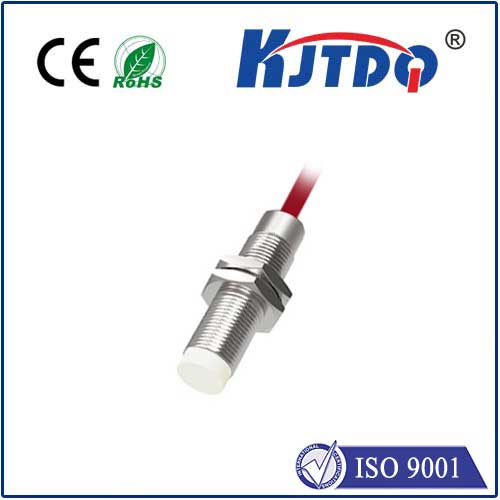
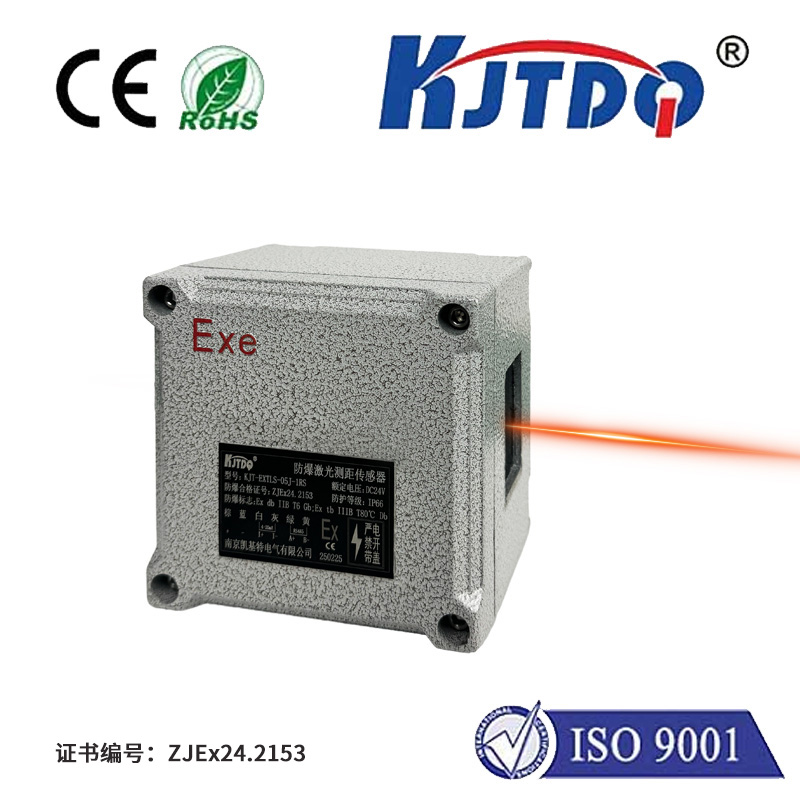
At its heart, an M18 laser sensor is a compact, cylindrical device typically 18 millimeters in diameter that utilizes laser light for detection. Unlike traditional mechanical or ultrasonic sensors, it projects a highly focused, visible or invisible laser beam towards a target. The sensor then analyzes the reflected light. The most common operating principle is through-th-beam or diffuse reflection. In a through-beam setup, the sensor has separate emitter and receiver units; an object is detected when it interrupts the laser beam. The diffuse reflection type, however, houses both emitter and receiver in one M18 housing. It detects an object by measuring the light reflected directly back from the target itself. This self-contained design is particularly popular for its ease of installation and alignment.
The superiority of the M18 laser sensor lies in its exceptional performance characteristics. First and foremost is its precision. The laser spot can be extremely small and well-defined, allowing for the detection of minute objects or precise edge positioning that would be impossible with other photoelectric sensors. This is crucial in electronics assembly or pharmaceutical packaging. Secondly, it offers a long sensing range relative to its size. A standard diffuse reflection M18 laser sensor can reliably detect objects several meters away, enabling flexible machine design. Furthermore, its response time is incredibly fast, often in the microsecond range, making it perfect for high-speed production lines counting or sorting items at breathtaking speeds.
Another significant advantage is its immunity to environmental interference. The coherent nature of laser light means it is less affected by ambient light, dust, or color variations of the target compared to standard LED-based sensors. This results in stable, repeatable performance in challenging industrial environments. The robust metal or high-grade plastic housing of an M18 sensor also provides high resistance to vibrations, shocks, and even washdowns (in IP67 or IP69K rated versions), ensuring longevity and reducing maintenance downtime.
The practical applications of M18 laser sensors are vast and varied. In material handling and logistics, they are indispensable for precise object detection on conveyor belts, ensuring smooth automation and preventing jams. In the automotive industry, they are used for robot guidance, weld seam tracking, and part presence verification with micron-level accuracy. Within packaging machinery, they control fill levels, check for label presence, and count products. They also play a vital role in safety systems, forming part of light curtains or perimeter guarding for machinery.
When selecting an M18 laser sensor for a specific application, several key factors must be considered. The required sensing distance and the size of the target object will determine the necessary laser type and power. The environmental conditions—such as temperature, presence of cleaning chemicals, or explosive atmospheres—dictate the required ingress protection (IP) rating and material construction. Output type (PNP/NPN analog or digital) must be compatible with the existing control system, like a PLC. Finally, features like adjustable sensitivity, teach-in functionality for easy setup, and built-in IO-Link communication for advanced diagnostics and parameterization can greatly enhance usability and integration into smart factory frameworks.
In conclusion, the M18 laser sensor is far more than just a component; it is an enabler of precision, efficiency, and intelligence in modern industrial operations. Its blend of compact design, long range, high speed, and environmental robustness makes it a versatile and reliable choice for engineers looking to solve complex sensing challenges. As Industry 4.0 continues to evolve, the role of such precise and connected sensing technologies will only grow, making a deep understanding of tools like the M18 laser sensor essential for anyone involved in designing, maintaining, or optimizing automated systems. By choosing the right sensor and applying it correctly, businesses can achieve new levels of quality control, throughput, and operational reliability.