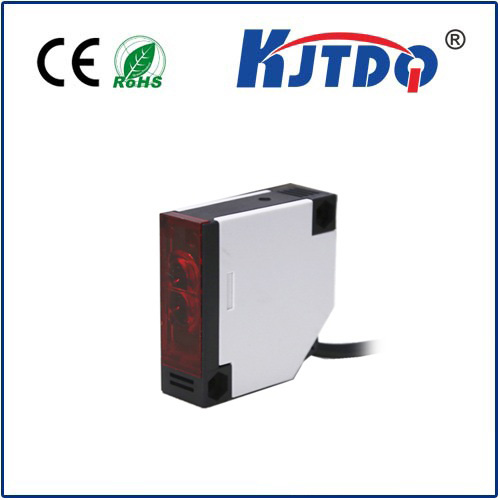
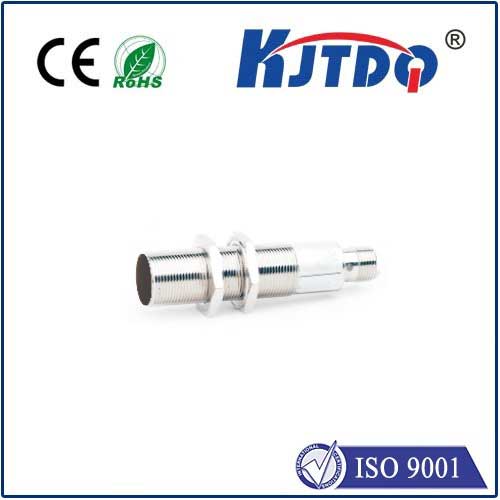
In the world of industrial automation and precision engineering, the square laser sensor has emerged as a transformative tool, redefining accuracy and reliability in measurement applications. Unlike traditional circular-beam sensors, the square laser sensor projects a uniform, rectangular beam pattern, offering distinct advantages for various detection and inspection tasks. This technology is particularly valuable in environments where consistent edge detection, precise positioning, or surface profiling is critical.
The core principle behind a square laser sensor involves emitting a laser diode-generated beam through specialized optics that shape it into a crisp, square or rectangular profile. This structured light pattern interacts with the target object, and the reflected light is captured by a receiver. By analyzing changes in the beam's properties—such as triangulation for displacement or time-of-flight for distance—the sensor delivers highly accurate data. The square beam's defined edges minimize measurement errors common with circular beams, especially when detecting sharp edges, gaps, or performing level assessments on uneven surfaces.
One of the standout applications of square laser sensors is in the electronics manufacturing sector. Here, they are deployed for inspecting printed circuit board (PCB) components, measuring solder paste thickness, and verifying chip placements. The uniform beam ensures that even minute variations in height or alignment are detected, reducing defects and enhancing production quality. Similarly, in automotive assembly lines, these sensors facilitate precise gap and flush measurement between body panels, contributing to improved vehicle aesthetics and safety standards.
Another significant domain is logistics and packaging. Square laser sensors excel in dimensioning systems, where they quickly and accurately measure box sizes for warehouse automation and shipping cost calculation. Their ability to maintain accuracy regardless of object orientation or surface color—thanks to advanced algorithms and stable beam characteristics—streamlines operations and cuts costs. Additionally, in robotics, these sensors provide reliable guidance for pick-and-place systems, enabling machines to handle objects with sub-millimeter precision.
When selecting a square laser sensor, key factors include measurement range, resolution, response time, and environmental robustness. Modern sensors often feature IP67 ratings for dust and water resistance, making them suitable for harsh industrial settings. Integration with IoT platforms and industrial networks like EtherCAT or PROFINET further enhances their utility, allowing real-time data monitoring and predictive maintenance.
Despite their advantages, challenges such as ambient light interference or highly reflective surfaces can affect performance. However, manufacturers are countering this with innovations like adjustable beam intensities, background suppression filters, and AI-enhanced signal processing. These advancements ensure that square laser sensors remain at the forefront of non-contact measurement solutions.
In summary, the square laser sensor represents a leap forward in sensing technology, combining geometric beam innovation with cutting-edge electronics. Its versatility across industries—from precision manufacturing to smart logistics—underscores its role as an indispensable asset for achieving operational excellence and driving technological progress. As automation demands grow, the adoption of square laser sensors is poised to expand, paving the way for smarter, more efficient industrial ecosystems.