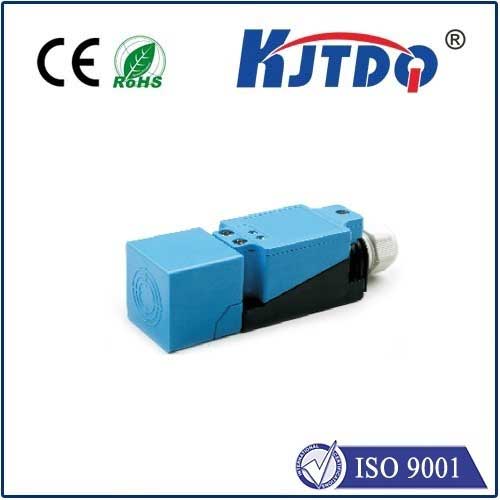
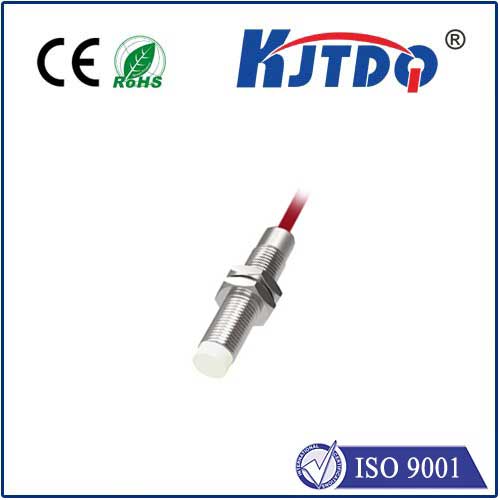
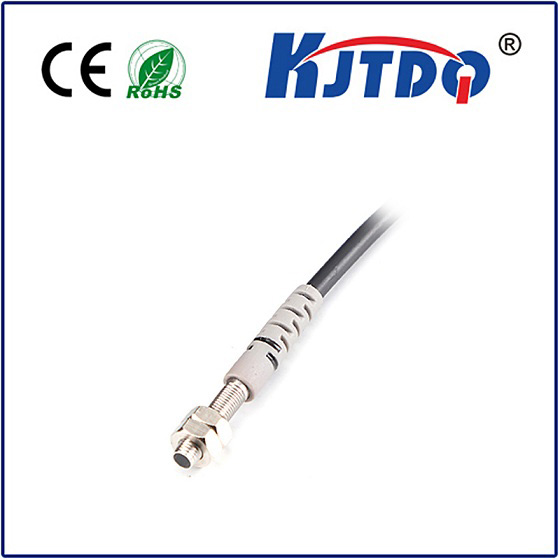
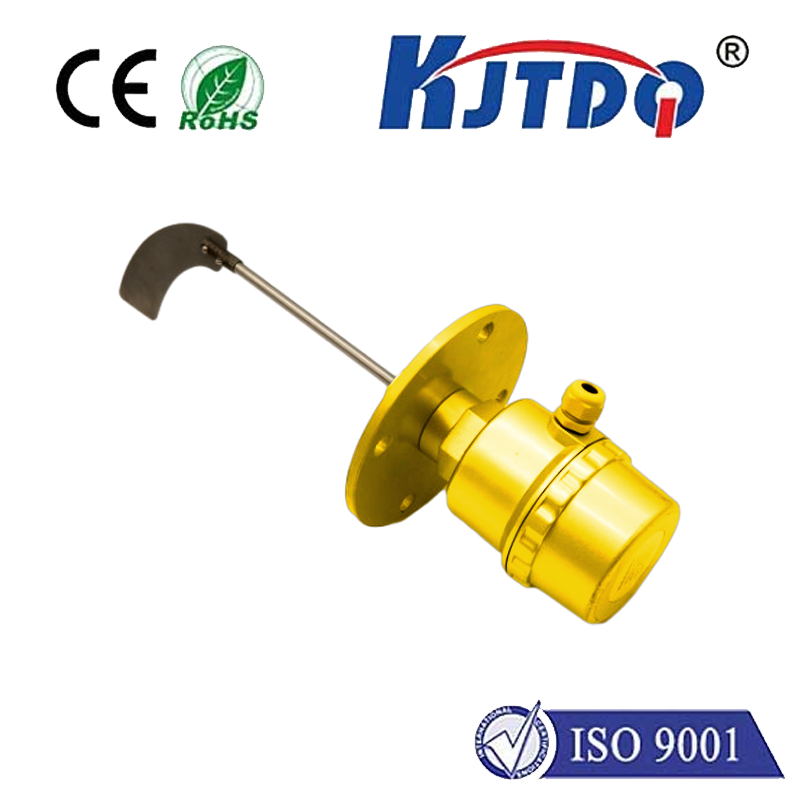
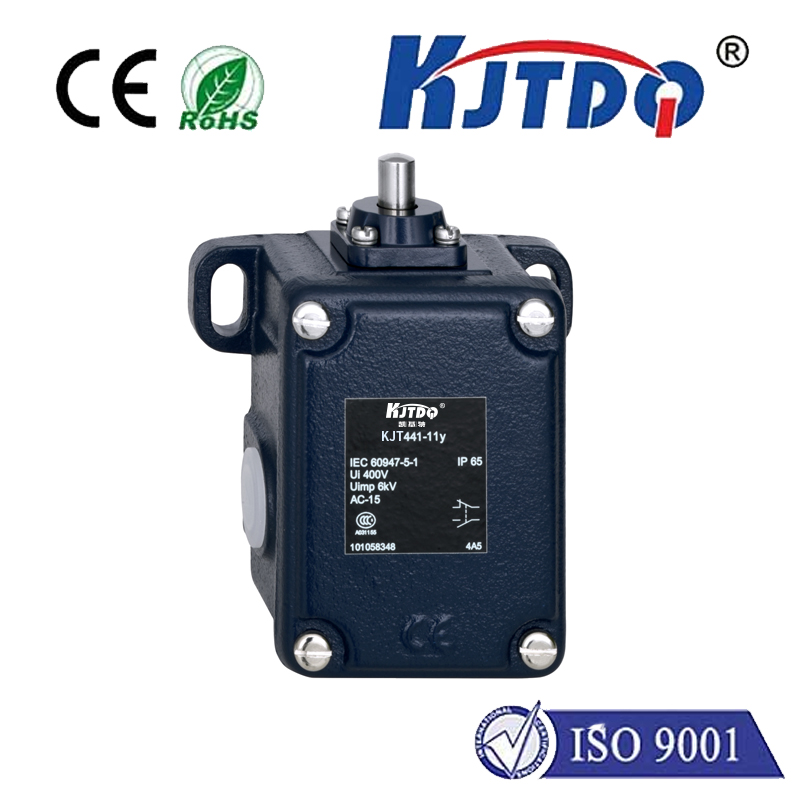
In today's rapidly evolving technological landscape, the demand for precise, reliable, and efficient detection systems is higher than ever. Among the various solutions available, the laser motion sensor stands out as a pinnacle of innovation, offering unparalleled accuracy and versatility. This technology, particularly embodied in advanced models like the KJTDQ series, is revolutionizing how we approach security, automation, and energy management in both residential and commercial settings.
Unlike traditional passive infrared (PIR) sensors that detect changes in heat, a laser motion sensor operates by emitting an invisible, focused beam of light. When this laser beam is interrupted by an object or person moving within its detection field, the sensor triggers a predefined response. This fundamental principle allows for exceptional precision. The beam can be calibrated to detect motion within a specific, narrow zone, minimizing false alarms caused by pets, swaying curtains, or changes in ambient temperature—a common drawback of conventional sensors. This targeted detection is crucial for high-security areas, sensitive equipment rooms, or applications where pinpoint accuracy is non-negotiable.
The applications for a high-quality laser motion sensor are vast and growing. In home security systems, these sensors provide the first line of defense. Installed near entry points, windows, or in hallways, they can instantly detect an intrusion and activate alarms, lock mechanisms, or notify homeowners via connected smartphone apps. Their ability to distinguish between significant breaches and minor disturbances offers peace of mind without the annoyance of constant false alerts. Beyond security, these sensors are integral to smart home automation. Imagine walking into a room, and the lights illuminate automatically, the thermostat adjusts to your preferred setting, and your favorite music begins to play—all triggered seamlessly by a single, discreet laser sensor. This not only enhances convenience but also promotes significant energy savings by ensuring lights and appliances are only active when needed.
In commercial and industrial environments, the role of the laser motion sensor expands further. They are employed in inventory management within warehouses to monitor movement in aisles, in manufacturing lines to count products or ensure operator safety by detecting entry into hazardous zones, and in retail spaces to analyze customer foot traffic patterns. The reliability of the laser beam ensures consistent performance even in challenging conditions with varying temperatures or lighting, where other sensor types might falter.
Modern iterations, such as the KJTDQ laser motion sensor, incorporate additional smart features that elevate their functionality. Many models now offer adjustable sensitivity settings, allowing users to fine-tune the detection range and ignore movements below a certain threshold. Some come with built-in timers, enabling lights to stay on for a set period after motion is no longer detected. Connectivity is another key advancement, with sensors seamlessly integrating into wider IoT ecosystems via Wi-Fi, Zigbee, or Z-Wave protocols. This allows for centralized control and the creation of complex automation scenes involving multiple devices.
When selecting a laser motion sensor, several factors warrant consideration. The detection range and angle are paramount; ensure the sensor covers the desired area effectively. The power source is another consideration—options include battery-operated models for easy installation and hardwired versions for permanent, maintenance-free setups. For outdoor use, look for sensors with a high Ingress Protection (IP) rating to withstand dust and moisture. Finally, compatibility with your existing smart home platform (like Google Home, Amazon Alexa, or Apple HomeKit) is essential for a unified user experience.
Installation is typically straightforward. Most DIY-friendly models come with detailed instructions and mounting hardware. The key is strategic placement: position the sensor at an optimal height and angle where it can best monitor the intended zone without obstructions. Avoid pointing it directly at heat sources or windows to prevent interference. Regular maintenance involves simply keeping the lens clean to ensure the laser beam is not diffused.
The evolution from basic motion detection to sophisticated laser-based sensing represents a significant leap forward. The KJTDQ laser motion sensor exemplifies this progress, offering a blend of precision, reliability, and smart integration that meets the demands of modern living and working spaces. By providing accurate detection that drives automated actions, this technology not only strengthens security but also creates more intuitive, efficient, and responsive environments. As we continue to move towards smarter cities and homes, the laser motion sensor will undoubtedly remain a critical component, quietly working in the background to enhance safety, comfort, and sustainability.