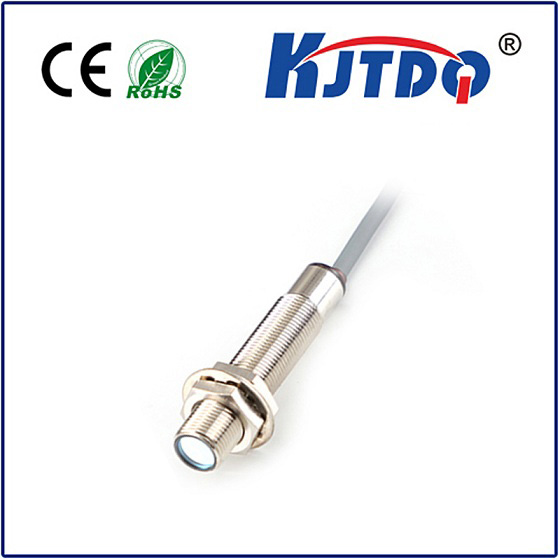
In the world of precision measurement, the laser measure sensor module has emerged as a game-changing technology. This compact yet powerful device is revolutionizing how professionals and hobbyists alike approach distance measurement, offering unparalleled accuracy and efficiency. Unlike traditional measuring tools such as tape measures or ultrasonic sensors, laser measure sensor modules utilize focused light beams to calculate distances with exceptional precision, often down to millimeter-level accuracy.
The core principle behind a laser measure sensor module involves emitting a laser pulse towards a target surface. The module then calculates the time it takes for the light to reflect back to the sensor. Using the constant speed of light, the device accurately determines the distance. This time-of-flight (ToF) technology ensures reliable measurements even in challenging environments. Modern modules incorporate advanced features like automatic calibration, multiple measurement modes, and seamless connectivity options, making them indispensable tools across various sectors.
One of the most significant advantages of using a laser measure sensor module is its application versatility. In construction and architecture, these modules enable quick and precise measurements of room dimensions, ceiling heights, and land plots, significantly reducing human error and saving valuable time on site. Interior designers rely on them for space planning and furniture placement, ensuring every element fits perfectly within a given area. Real estate professionals utilize laser measures to create accurate floor plans and property assessments, enhancing client trust and streamlining transactions.
The industrial manufacturing sector benefits immensely from laser measure sensor modules in quality control and automation processes. Integrated into robotic systems, these modules guide machinery with pinpoint accuracy, ensuring consistent product dimensions and alignment. In logistics and warehousing, they help optimize storage space by accurately measuring inventory and pallet sizes, improving overall operational efficiency. Even in emerging fields like autonomous vehicles and drones, laser measure sensors play a crucial role in obstacle detection and navigation, contributing to safer and more reliable autonomous systems.
When selecting a laser measure sensor module, several key factors should be considered to ensure optimal performance. Measurement range is paramount; modules are available for short-distance indoor use and long-range outdoor applications, with some professional models capable of measuring up to several hundred meters. Accuracy specifications vary, with high-end modules offering tolerances as tight as ±1.5 mm. Durability is another critical aspect, especially for modules used in construction or industrial settings where they may be exposed to dust, moisture, or accidental impacts. Look for modules with robust housing and appropriate ingress protection ratings.
Connectivity features have become increasingly important in modern laser measure sensor modules. Many now offer Bluetooth or Wi-Fi capabilities, allowing measured data to be transmitted directly to smartphones, tablets, or computers. This integration with digital platforms enables users to save, share, and incorporate measurements into design software or project management tools seamlessly. Some advanced modules even include built-in cameras that capture images with measurement overlays, providing visual documentation alongside numerical data.
Battery life and power management are practical considerations that affect user experience. High-quality laser measure sensor modules typically employ energy-efficient designs with long-lasting rechargeable batteries. Some models feature automatic power-off functions to conserve energy when not in use. The user interface, including display clarity and button responsiveness, significantly impacts usability, particularly in low-light conditions or when wearing work gloves.
The evolution of laser measure sensor technology continues to push boundaries of what's possible in measurement science. Recent advancements include improved signal processing algorithms that filter out ambient light interference, enhanced optics for better beam quality, and miniaturization allowing integration into increasingly compact devices. Future developments may bring even greater accuracy, longer ranges, and more sophisticated data processing capabilities directly within the modules themselves.
For professionals seeking to enhance their measurement capabilities, investing in a reliable laser measure sensor module represents a strategic decision that pays dividends through increased productivity and reduced errors. These devices not only streamline measurement tasks but also contribute to better project planning, more accurate documentation, and improved overall outcomes across numerous applications. As technology advances, laser measure sensor modules will undoubtedly become even more integral to precision-dependent industries, solidifying their status as essential tools for anyone requiring accurate spatial data.