Проверка
Проверка
Проверка
Проверка
Проверка
Проверка
In the world of industrial automation and precise measurement, the ability to reliably detect objects at varying distances is paramount. Photoelectric sensors have long been the cornerstone of such applications, offering non-contact, high-speed detection. Among these, sensors with an adjustable sensing range, particularly from 1 mm to 140 mm, represent a versatile solution for a wide array of challenging environments. This capability bridges the gap between demanding close-proximity tasks and medium-range detection needs, providing engineers and system integrators with a single, robust component.
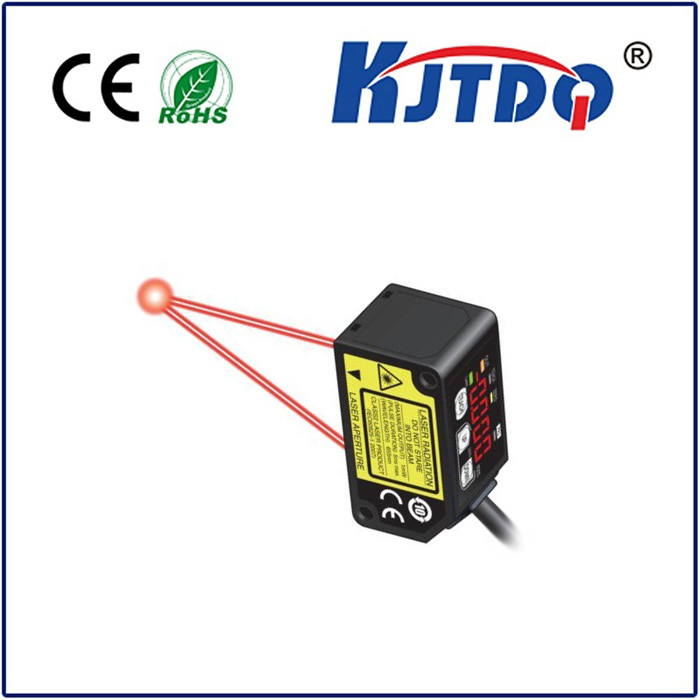
The core technology enabling this flexible range often involves advanced modulated infrared light and sophisticated optics. Unlike simple through-beam sensors which require separate emitter and receiver units, these compact devices typically operate in a diffuse or retro-reflective mode. They emit a focused beam of light; when an object enters the detection zone, it reflects the light back to the receiver. The onboard electronics are finely tuned to distinguish this reflected signal from ambient light, allowing for stable detection even in conditions with varying background illumination. The adjustable range, from a very precise 1 mm up to 140 mm, is achieved through precise lens design and sensitive signal processing circuits that can interpret the strength of the return signal.
Applications for a photoelectric sensor with a 1 mm to 140 mm range are extensive. In packaging machinery, it can be used to detect the presence of extremely thin labels or films at close range (1-5 mm), ensuring proper application, while also verifying the position of cartons on a conveyor from a farther distance. Within electronic assembly lines, these sensors excel at verifying the precise placement of miniature components on circuit boards, where a few millimeters of error are unacceptable. Furthermore, they are ideal for object counting on fast-moving lines, where the adjustable range allows the same sensor model to be used for different product sizes without mechanical recalibration, simply by adjusting the potentiometer or via teach-in functionality.
Selecting the right sensor requires careful consideration of several factors beyond just the range. The response time is critical for high-speed production lines; a fast sensor ensures no object is missed. The type of output (PNP/NPN, analog, or IO-Link) must be compatible with the existing control system. Environmental robustness is non-negotiable in many industries; look for sensors with high IP ratings (e.g., IP67) to withstand dust, moisture, and occasional washdowns. The housing material, often stainless steel or ruggedized plastic, should be chosen based on potential exposure to chemicals or physical impact. The beam spot size at different distances is another key specification, as a smaller spot allows for more precise detection of tiny objects.
The integration of such a sensor into a system is typically straightforward. Most models feature built-in LED indicators for power, output status, and stability, aiding immensely in setup and troubleshooting. The teach-in function, available on many modern units, allows for quick and easy configuration of the sensing window by simply presenting the target object at the desired near and far points. This user-friendly approach minimizes setup time and reduces the potential for human error during installation.
Maintaining optimal performance involves regular checks. While photoelectric sensors are known for their durability and lack of moving parts, their lenses should be kept clean from dust, oil, or debris that could attenuate the light beam. Periodically verifying the detection stability, especially after changes in the production process or the introduction of new materials with different reflectivity, is a recommended best practice. This ensures the system continues to operate with the high reliability that modern automated processes demand.
In conclusion, a photoelectric sensor offering a tunable range from 1 mm to 140 mm is more than just a component; it is a flexible tool for precision. It eliminates the need for stocking multiple sensor types for different range requirements, simplifies design, and enhances system adaptability. From ensuring the quality of micro-assemblies to managing logistics on a palletizing line, this sensor technology provides a reliable, efficient, and cost-effective answer to the diverse challenges of modern industrial sensing.