In the competitive world of digital textile and promotional product printing, sublimation printers stand out for their ability to produce vibrant, durable, and high-resolution transfers. The heart of achieving this consistent quality often lies not just in the print heads or inks, but in a critical, yet frequently overlooked component: the photoelectric sensor. Specifically designed for sublimation printers, these sensors are pivotal in ensuring every print cycle is executed with flawless precision, directly impacting output quality, material savings, and operational uptime.
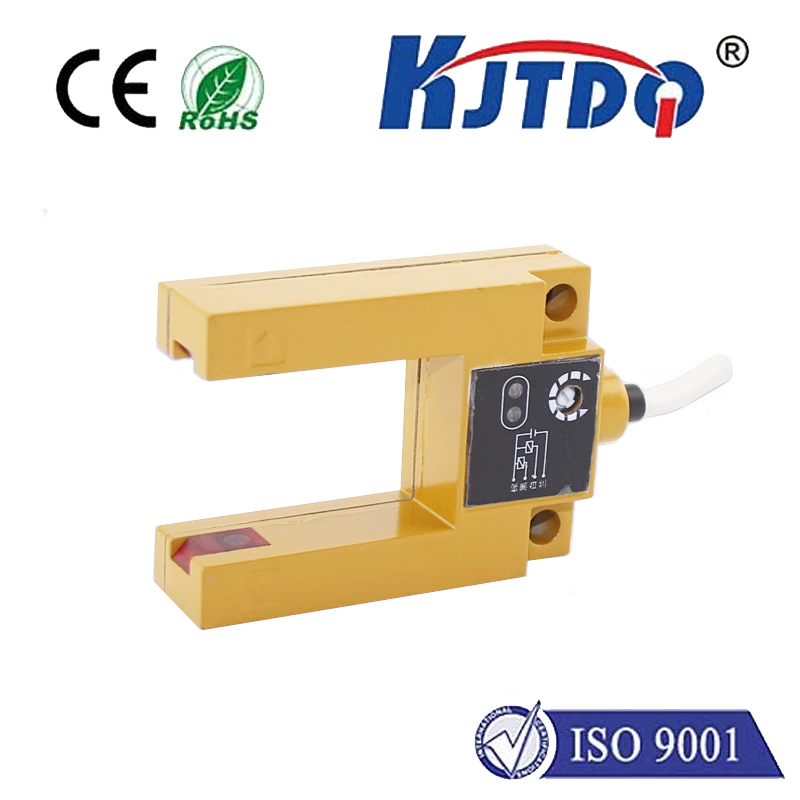
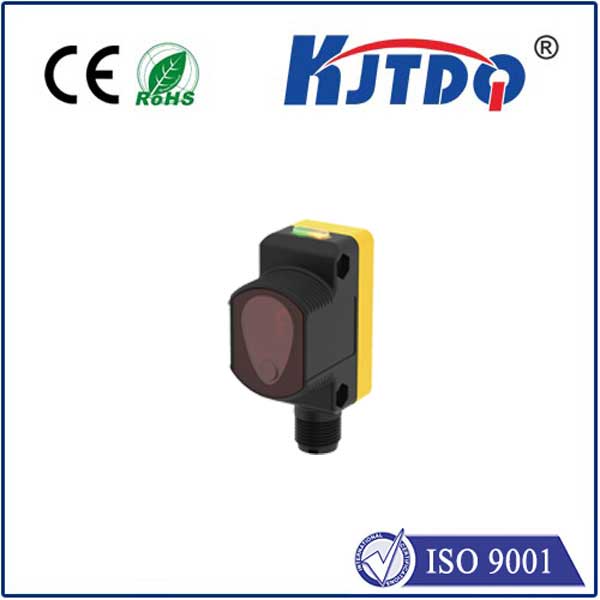
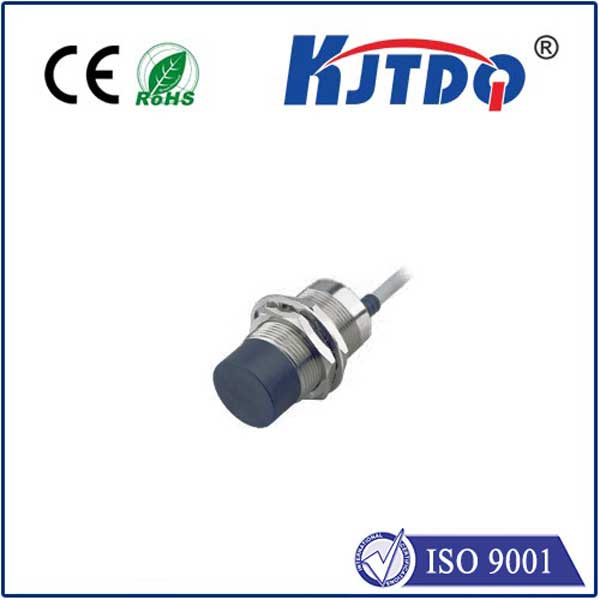
A photoelectric sensor in this context functions as the printer's "eyes." Its primary role is to detect the presence, position, and sometimes even the edge of the transfer paper or media as it feeds through the printer. Unlike mechanical sensors, photoelectric variants use a light emitter and a receiver. They operate by projecting a light beam—often infrared or visible LED—across the paper path. When paper is present, it interrupts this beam, and the change in light reception is converted into an electrical signal. This signal is then communicated to the printer's main control board, triggering precise actions such as initiating the print head movement, adjusting alignment, or signaling the end of a roll.
The integration of a high-quality photoelectric sensor addresses several core challenges in sublimation printing. First and foremost is media alignment and registration. Sublimation often involves precise borderless printing or repeated patterns. Even a millimeter of skew can ruin an entire batch of products, leading to costly waste of both ink and specialty transfer paper. Advanced photoelectric sensors provide real-time feedback, allowing the printer to make micro-adjustments to the paper feed, ensuring each color layer is perfectly registered on the substrate.
Secondly, these sensors are crucial for preventing paper jams and misfeeds. Sublimation paper can vary in thickness and opacity. A reliable sensor can accurately detect different media types, ensuring the printer's rollers and feed mechanisms operate correctly. By preventing jams, it minimizes downtime and protects the print heads from potential damage caused by collisions with crumpled paper.
Furthermore, in large-format or roll-to-roll sublimation printers, media end detection is vital. The sensor can detect when a paper roll is nearly finished, prompting a warning to the operator to load a new roll seamlessly. This feature is essential for continuous, unattended operation in industrial settings, maximizing productivity.
The choice of sensor technology matters significantly. For sublimation environments, sensors with high environmental resistance are preferred. They must be immune to ambient light fluctuations in the print shop and resistant to dust and fine paper particles that are common in printing operations. Modern photoelectric sensors for this application often feature robust housings and stable output signals to ensure reliability over millions of cycles.
When a photoelectric sensor fails or becomes misaligned, the symptoms are usually clear: inconsistent print starting points, misaligned colors, frequent false "paper-out" errors, or complete failure to feed paper. Regular maintenance, such as gently cleaning the sensor lens from dust and ink mist, is a simple yet effective practice to prolong its life and ensure consistent performance.
In summary, the photoelectric sensor is a small but mighty guardian of print integrity in sublimation printing systems. It silently orchestrates the precise movement of media, enabling the printer to deliver the sharp, vibrant, and perfectly aligned transfers that the sublimation process is renowned for. Investing in a printer equipped with a reliable, high-performance photoelectric sensor, or ensuring an existing sensor is well-maintained, is not just a technical detail—it's a fundamental business decision for anyone serious about quality, efficiency, and reducing waste in their sublimation printing workflow.