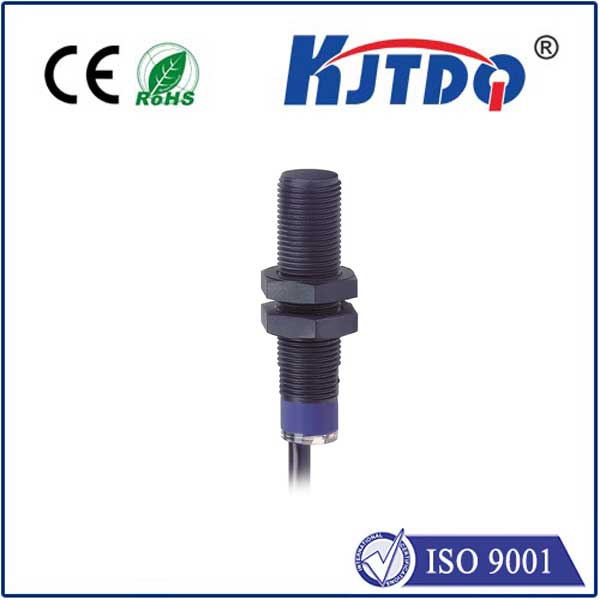
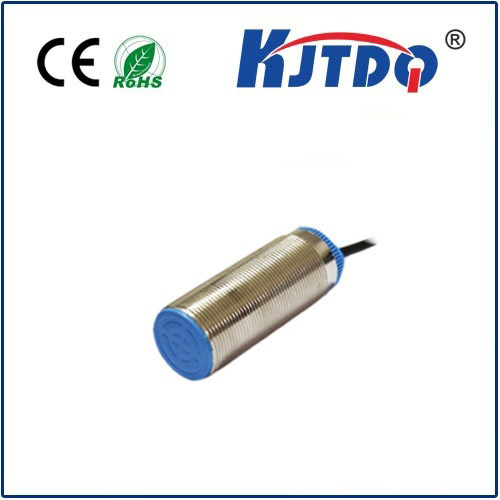
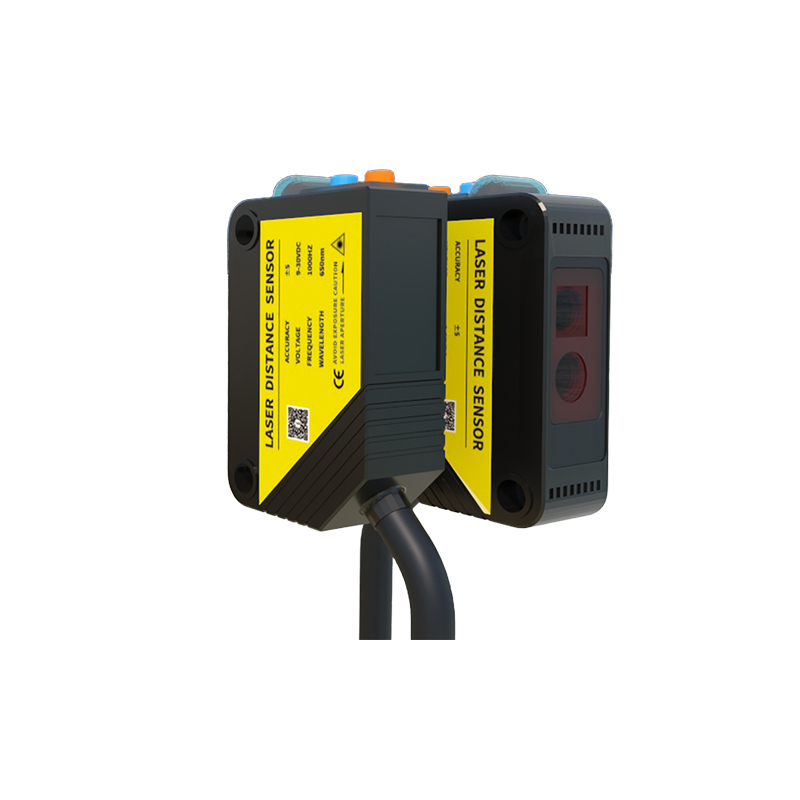
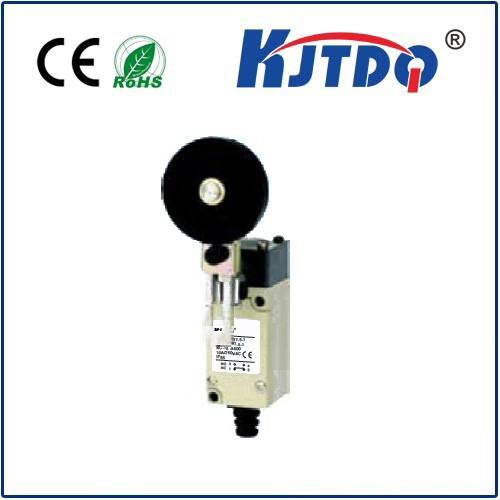
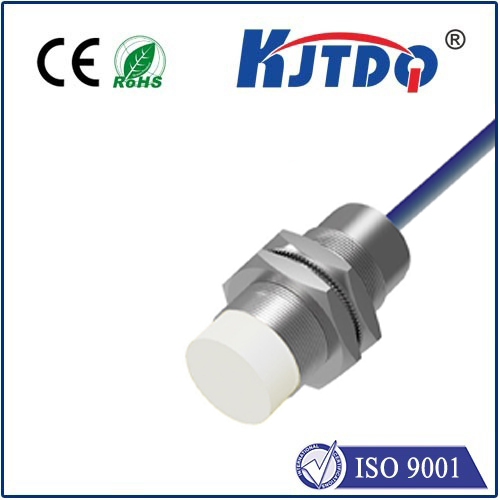
In modern industrial automation, the demand for reliable and precise detection systems continues to grow. Among various sensing technologies, the trough beam photoelectric sensor stands out as a critical component for ensuring seamless operations. This device operates by transmitting a light beam from an emitter to a receiver placed opposite each other, forming a "trough" or gap. When an object interrupts this beam, the sensor triggers a response, making it ideal for applications requiring high accuracy and long-range detection.
The working principle of trough beam photoelectric sensors is straightforward yet highly effective. The emitter unit projects a focused beam of light—often infrared or laser—across a gap to the receiver. This configuration allows for consistent performance even in challenging environments, such as areas with dust, moisture, or varying light conditions. Unlike diffuse reflection sensors, which rely on light bouncing off objects, trough beam sensors provide a more stable signal by directly measuring beam interruption. This reduces false triggers and enhances reliability in fast-paced industrial settings.
One of the key advantages of trough beam photoelectric sensors is their versatility. They are commonly used in packaging lines to detect product presence on conveyor belts, ensuring items are properly aligned and counted. In automotive manufacturing, these sensors monitor assembly processes, verifying component placement and preventing errors. Additionally, they play a vital role in material handling systems, where they detect objects at long distances—sometimes up to several meters—without physical contact. This non-invasive nature minimizes wear and tear, leading to lower maintenance costs and extended equipment lifespan.
When selecting a trough beam photoelectric sensor, several factors should be considered to optimize performance. Range is a critical parameter, as it determines the maximum distance between emitter and receiver while maintaining reliable detection. Sensors with adjustable sensitivity allow fine-tuning to ignore small debris while capturing larger objects. Environmental durability is also essential; models with IP67 or higher ratings resist dust and water ingress, making them suitable for harsh industrial conditions. Furthermore, output options—such as NPN, PNP, or analog signals—enable compatibility with various control systems, from PLCs to robotics.
Installation and alignment are crucial for maximizing sensor efficiency. Proper mounting ensures the beam remains unobstructed and aligned, preventing signal loss. Many modern sensors feature alignment indicators, such as LED lights or audible signals, to simplify setup. Regular maintenance, including lens cleaning and checking for obstructions, helps sustain accuracy over time. In applications with high vibration or temperature fluctuations, choosing robust housings and stable mounting hardware can prevent misalignment and ensure consistent operation.
The evolution of trough beam photoelectric sensors has been driven by advancements in technology. Recent models incorporate smart features like self-diagnostics, which alert users to potential issues before failures occur. Integration with IoT platforms enables real-time monitoring and data collection, supporting predictive maintenance strategies. These innovations not only improve operational efficiency but also contribute to smarter, more connected factories. As industries embrace Industry 4.0, the role of reliable sensors becomes increasingly pivotal in achieving automation goals.
In summary, trough beam photoelectric sensors are indispensable tools in industrial automation, offering precision, durability, and adaptability. Their ability to perform in diverse applications—from simple object detection to complex process control—makes them a preferred choice for engineers and technicians. By understanding their working principles, selection criteria, and maintenance practices, businesses can leverage these sensors to enhance productivity, reduce downtime, and drive innovation. As technology progresses, we can expect further refinements that will expand their capabilities and applications in the automated world.