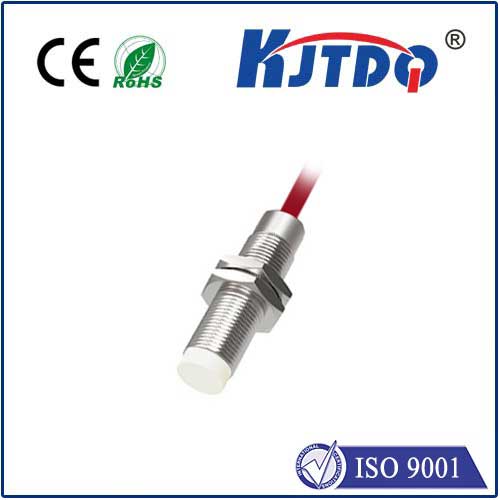
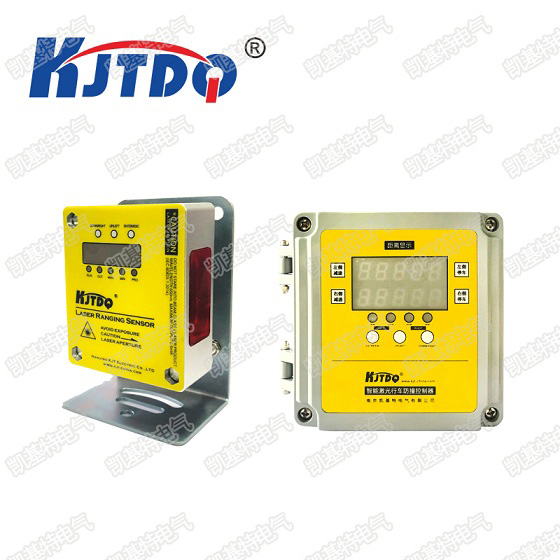
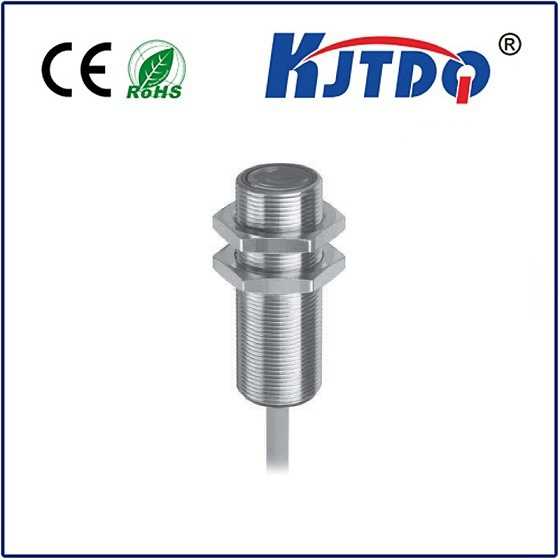
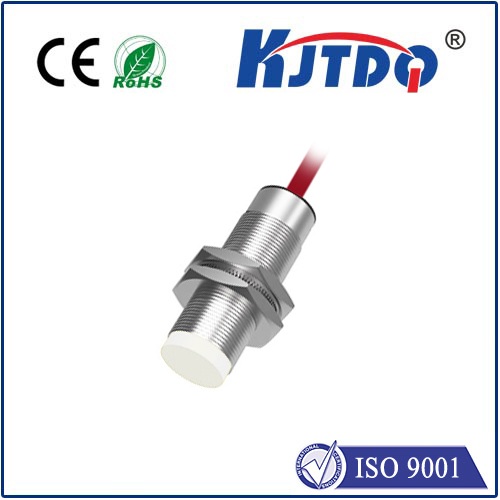
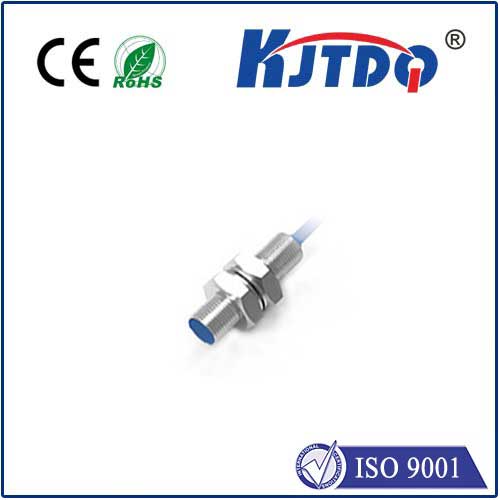
In the fast-paced world of industrial packaging, precision and reliability are paramount. The integration of advanced sensors, particularly the photoelectric switch, into bag making machinery has revolutionized production lines, offering unprecedented levels of automation and quality control. The KJTDQ photoelectric switch bag making machine sensor stands at the forefront of this innovation, providing a robust solution for modern manufacturing challenges.
A photoelectric switch operates by emitting a light beam—typically infrared, visible red, or laser—and detecting changes in the received light. In a bag making machine, this technology is crucial for tasks such as material edge detection, registration mark sensing, and length measurement. The KJTDQ sensor is engineered to perform these functions with exceptional accuracy, even in demanding factory environments with potential interference from dust, vibration, or varying ambient light.
The core advantage of the KJTDQ photoelectric sensor lies in its non-contact detection method. Unlike mechanical limit switches, it does not physically touch the packaging material—be it plastic film, paper, or non-woven fabric. This eliminates wear and tear on both the sensor and the material, significantly reducing maintenance downtime and material waste. For continuous operations producing thousands of bags per hour, this reliability translates directly into higher throughput and lower operational costs.
Installation and setup are streamlined for efficiency. The KJTDQ sensor often features intuitive alignment indicators and simple teach-in functions, allowing operators to quickly calibrate it for different materials and bag specifications. Whether detecting the transparent edge of a polyethylene film or a printed mark on a shopping bag, its adjustable sensitivity ensures consistent triggering. This flexibility is vital for manufacturers who frequently switch between short runs of customized products.
Furthermore, the sensor contributes directly to product quality. By ensuring precise cut lengths and accurate print registration, it minimizes errors that lead to rejected batches. Every bag is uniform, meeting strict customer specifications and enhancing brand reputation. The real-time feedback provided by the sensor also integrates seamlessly with machine control systems, enabling immediate adjustments and facilitating data collection for process optimization.
Durability is another hallmark. Housed in a rugged enclosure, the KJTDQ photoelectric switch is built to withstand the rigors of a packaging plant, including exposure to airborne particles and occasional moisture. Its long service life and stable performance ensure a strong return on investment, protecting the machinery from costly mis-cuts or jams that can occur with less reliable sensing solutions.
In conclusion, the adoption of a specialized photoelectric switch like the KJTDQ model is not merely an upgrade but a strategic necessity for competitive bag manufacturing. It empowers machines to operate smarter, faster, and with greater consistency. By delivering precise, non-contact detection, it enhances overall equipment effectiveness (OEE), reduces waste, and ensures the production of high-quality packaging that meets the dynamic demands of the global market. Investing in such advanced sensing technology is a clear step toward a more automated, efficient, and profitable packaging operation.