Проверка
Проверка
Проверка
Проверка
Проверка
Проверка
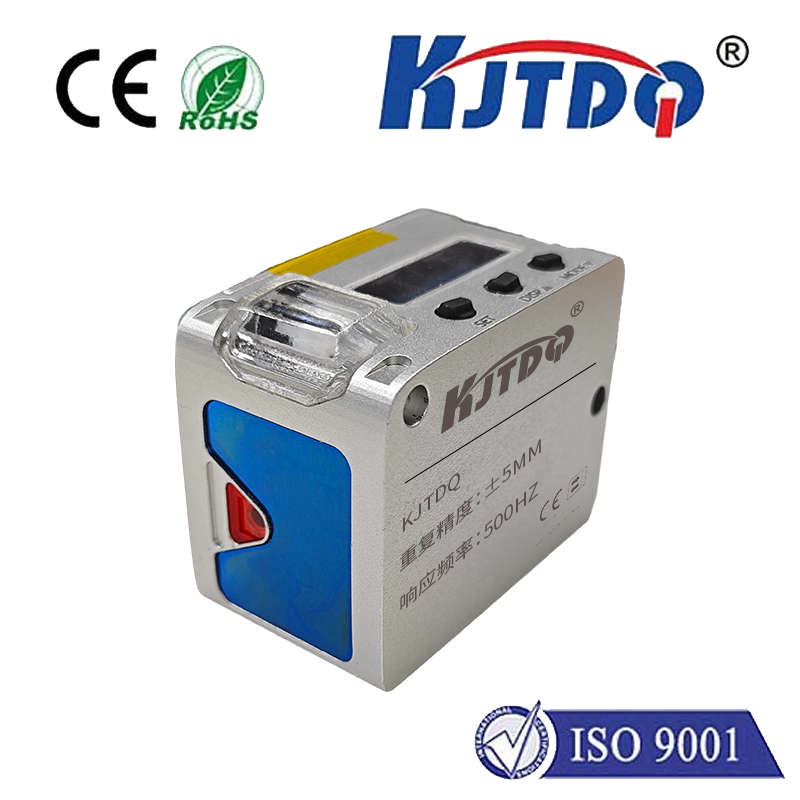
In the world of industrial automation, precision and reliability are non-negotiable. At the heart of countless automated systems lies a critical component often overlooked: the digital photoelectric sensor. This device is far more than a simple light beam; it is a sophisticated electronic sentinel, enabling machines to "see" and react to their environment with astonishing accuracy. Unlike its analog predecessors, the digital photoelectric sensor provides a clear, unambiguous signal—either ON or OFF—making it the cornerstone of modern control systems.
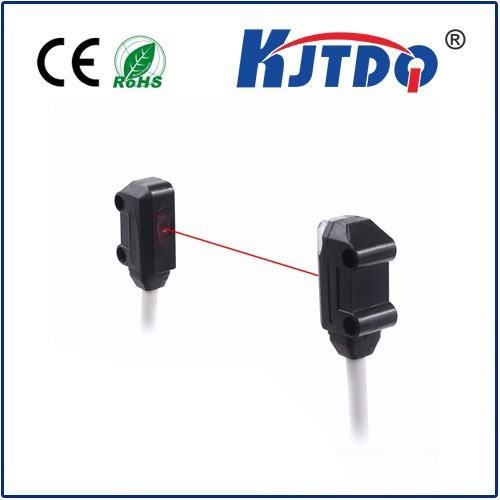
So, how does this technological marvel work? The principle is elegantly simple yet executed with high precision. A digital photoelectric sensor consists of an emitter, which projects a beam of light (often infrared, red, or laser), and a receiver. When this light beam is interrupted or reflected by an object, the receiver detects the change in light intensity. The sensor's internal circuitry then processes this analog change and converts it into a crisp digital output signal. This binary signal is instantly communicated to a programmable logic controller (PLC) or other control unit, triggering a predefined action such as stopping a conveyor belt, counting items, or verifying a part's position.
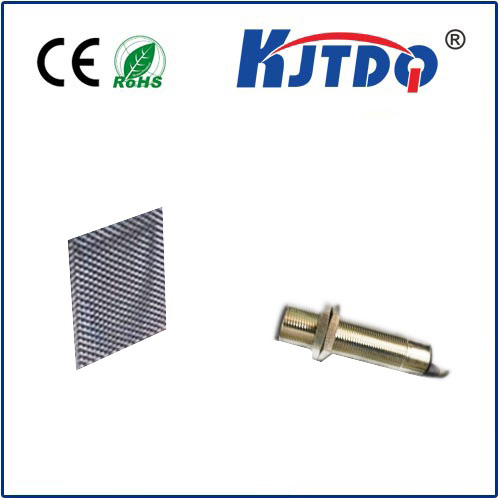
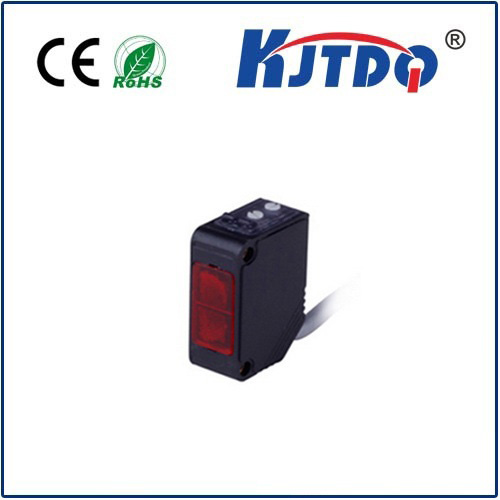
The versatility of these sensors is demonstrated through three primary operating modes. The through-beam type, with separate emitter and receiver units, offers the longest sensing range and highest reliability, ideal for detecting opaque objects on large assembly lines. The retro-reflective type uses a single unit and a reflector, bouncing the beam back to its source, providing a solid solution for medium-range applications where installing two separate units is impractical. Finally, the diffuse reflective type detects objects by measuring the light scattered directly off their surface. This self-contained mode is perfect for detecting objects at close range, regardless of their color or texture, and is widely used in packaging and material handling.
The "digital" aspect is what truly sets these sensors apart. They incorporate microprocessors that allow for advanced functionalities like adjustable sensing thresholds, time delays, and output configurations. This programmability means one sensor model can be adapted to multiple tasks, reducing inventory complexity. Furthermore, digital sensors boast superior immunity to electrical noise and ambient light interference, ensuring stable operation even in electrically noisy industrial environments. Features like built-in diagnostics, often indicated by LED status lights, allow for quick troubleshooting and minimal downtime—a crucial factor for maintaining high productivity.
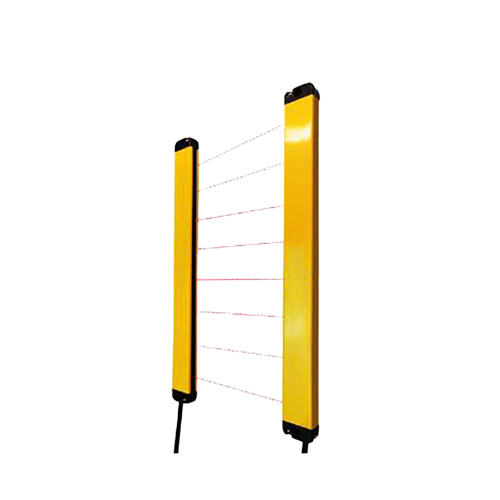
The applications are virtually limitless. In automotive manufacturing, digital photoelectric sensors ensure robotic arms weld at the exact correct spot. In pharmaceutical packaging, they verify that every blister pack contains the right number of pills. In warehouse logistics, they count boxes speeding down sortation lines with unerring accuracy. They safeguard operators by forming safety light curtains around dangerous machinery. Their robustness, with enclosures rated IP67 or higher, allows them to withstand dust, moisture, and vibration, making them suitable for harsh factory floors and outdoor use.
Choosing the right sensor requires careful consideration of several factors. The sensing range, response time, and the size and material of the target object are primary concerns. Environmental conditions such as dust, fog, or background light must also be accounted for, potentially necessitating sensors with specific spectral ranges or specialized lenses. The output type (e.g., NPN or PNP) must be compatible with the control system's input module.
In conclusion, the digital photoelectric sensor is an indispensable workhorse of industrial automation. Its ability to provide fast, reliable, and precise object detection forms the foundational sensory layer for smarter, more efficient, and safer manufacturing and logistics operations. By converting physical presence into definitive digital data, it bridges the gap between the physical and control worlds, driving the relentless march toward fully automated, lights-out factories of the future.