In the intricate world of industrial automation and machine control, the reliability of a single component can dictate the efficiency of an entire production line. Among the myriad of sensing technologies available, the DC 12-24V photoelectric proximity sensor stands out as a cornerstone of modern, non-contact detection. This guide delves into the core principles, diverse applications, and critical selection criteria for these versatile sensors, empowering engineers and system integrators to make informed decisions.
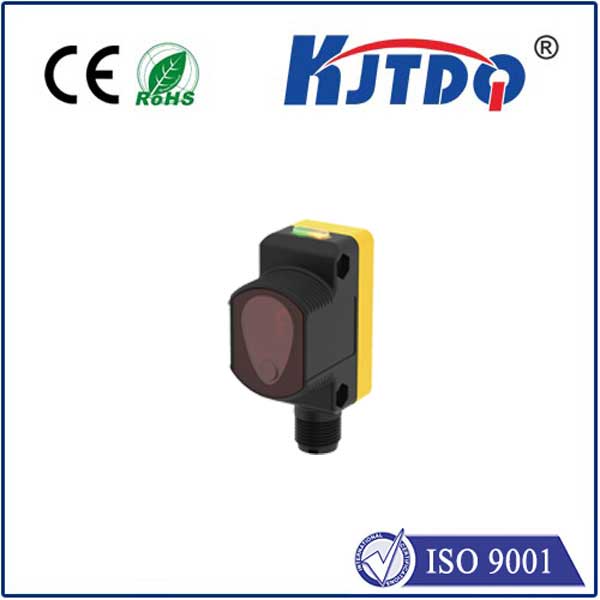
At its heart, a photoelectric sensor operates on a simple yet profound principle: it emits a beam of light (visible red, infrared, or laser) and detects changes in the received light signal. A DC 12-24V photoelectric proximity sensor is specifically powered by a direct current supply ranging from 12 to 24 volts, a standard in industrial control panels and mobile equipment. This wide voltage range offers significant flexibility, ensuring stable operation even in environments with potential power fluctuations. The "proximity" function typically refers to a diffuse reflective sensing mode, where the sensor detects an object by receiving the light reflected directly from its surface. This design eliminates the need for a separate reflector, simplifying installation and maintenance.
The operational advantages of these sensors are numerous. Their non-contact nature means there is no physical wear from repeated detection, leading to exceptionally long service life and reduced downtime. They are capable of detecting a vast array of materials—metal, plastic, wood, glass, and even liquids—provided the object's reflectivity differs from the background. Modern DC 12-24V models often feature advanced functionalities like background suppression, which allows them to ignore objects beyond a set distance, and precise teach-in programming for easy adjustment of sensing ranges. Their robust housings, frequently rated IP67 or higher, provide reliable protection against dust, water jets, and mechanical impacts, making them suitable for harsh factory floors, packaging machinery, and outdoor applications.
Choosing the right DC 12-24V photoelectric proximity sensor requires careful consideration of several parameters. First, define the required sensing distance. While diffuse sensors are ideal for shorter ranges, for longer distances or challenging conditions, through-beam (separate emitter and receiver) or retro-reflective (with a reflector) models might be more appropriate. The response time is critical for high-speed production lines; ensure the sensor's switching frequency can keep pace. The output type—PNP (sourcing) or NPN (sinking)—must be compatible with your PLC or controller. Finally, consider the physical environment: factors like ambient light, temperature extremes, and the presence of dust or steam can influence the choice of housing material, light source wavelength, and protective features.
Real-world applications are vast and varied. In material handling, these sensors reliably detect the presence of boxes on a conveyor belt, control filling levels, and count products. In the automotive industry, they verify part placement in robotic assembly cells. They are indispensable in packaging for label detection and cap alignment on bottles. Beyond manufacturing, they play roles in automated doors, agricultural equipment, and security systems. The universal DC 12-24V power compatibility ensures they integrate seamlessly into existing control architectures.
To ensure optimal performance and longevity, proper installation is key. Avoid mounting the sensor opposite highly reflective backgrounds that could cause false triggers. Keep the lens clean from dirt and debris, as contamination can scatter or block the light beam. Always refer to the manufacturer's datasheet for wiring diagrams, ensuring correct connection of the power supply, load, and output signal. Regular functional checks as part of preventive maintenance schedules can prevent unexpected line stoppages.
In conclusion, the DC 12-24V photoelectric proximity sensor is a fundamental, flexible, and robust solution for automated detection tasks. Its ability to operate reliably across a standard voltage range, coupled with non-contact sensing and environmental resilience, makes it an essential component in designing efficient and intelligent systems. By understanding its operating modes, key specifications, and application requirements, professionals can leverage this technology to enhance precision, safety, and productivity across countless industries.