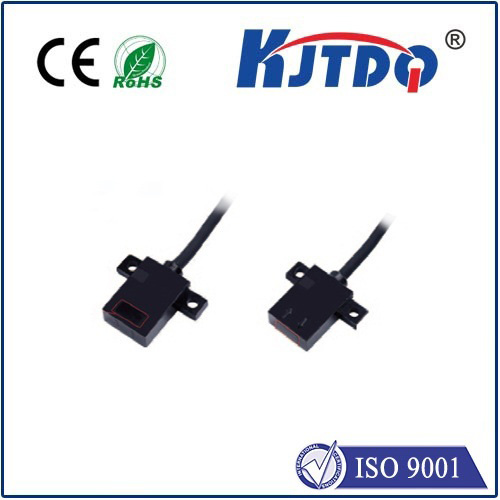
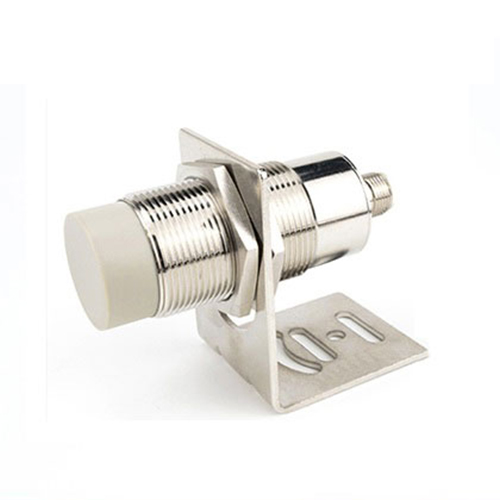
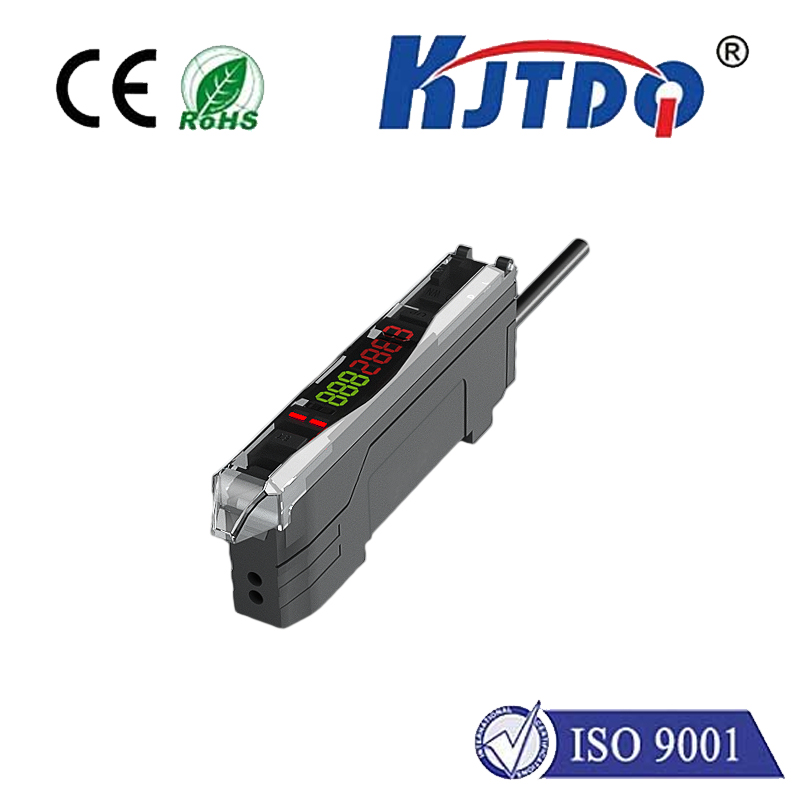
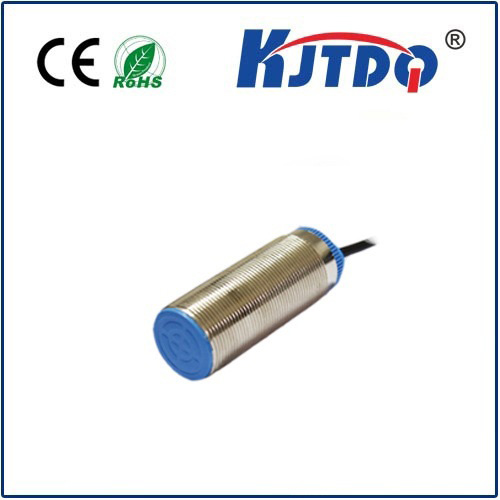
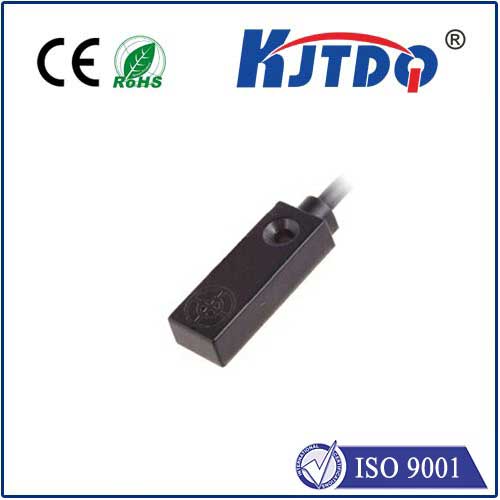
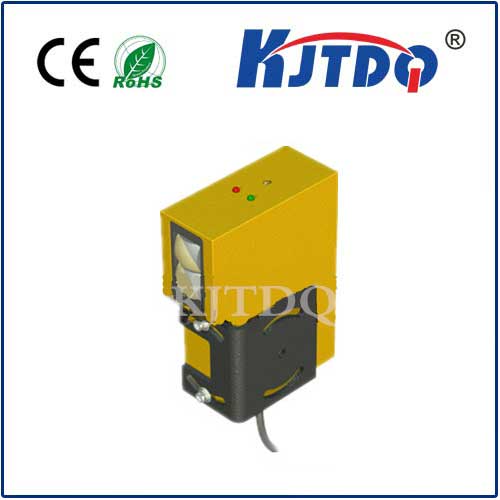
In modern industrial automation, precise object detection remains a critical challenge for maintaining seamless production flow and ensuring operational safety. Among the various sensing technologies available, the trough beam photoelectric sensor stands out as a robust and reliable solution for long-range, high-accuracy applications. This device operates on a straightforward yet powerful principle: it consists of a separate transmitter and receiver unit positioned opposite each other to form a light beam "trough." When an object passes through this beam, it interrupts the signal, triggering an immediate output switch. This simple break-to-detect mechanism makes it exceptionally effective in environments where dirt, dust, or harsh lighting conditions might compromise other sensor types.
The core advantage of the trough beam photoelectric sensor lies in its impressive sensing distance. Unlike reflective or diffuse sensors, the through-beam configuration allows for detection ranges that can extend up to several tens of meters. This makes it ideal for monitoring large conveyor belts, controlling access to hazardous areas, or counting objects on high-speed packaging lines. The physical separation of the emitter and receiver also contributes to superior stability. Since the receiver detects the light directly from the transmitter, it is less susceptible to interference from the target object's color, reflectivity, or surface texture. Whether detecting a clear glass bottle or a matte black carton, the sensor provides a consistent and reliable signal.
Durability is another hallmark of high-quality trough beam sensors. Industrial settings often expose equipment to moisture, vibration, and temperature extremes. Manufacturers address this by housing the components in rugged, IP67-rated enclosures that protect against water and dust ingress. The use of modulated infrared LED light sources further enhances performance by filtering out ambient light interference, ensuring the sensor operates correctly even under bright factory lighting or direct sunlight. This resilience translates to reduced downtime and lower maintenance costs, as the sensors can withstand challenging conditions without frequent calibration or replacement.
Integration into existing control systems is typically straightforward. Most modern trough beam photoelectric sensors offer multiple output options, including NPN, PNP, and relay contacts, along with standard connection methods like M8 or M12 connectors. This compatibility allows engineers to seamlessly incorporate them into Programmable Logic Controller (PLC) networks or other automation architectures. Furthermore, advanced models feature adjustable sensitivity, time-delay functions, and diagnostic LEDs, providing greater flexibility for fine-tuning the application and simplifying troubleshooting processes.
The applications for trough beam photoelectric sensors are vast and varied. In the automotive industry, they are used to verify the presence of components on assembly robots. In logistics and warehousing, they secure gateways and monitor parcel dimensions on sorting systems. Within the food and beverage sector, they ensure proper bottle filling levels and cap placement on high-speed production lines. Their ability to provide non-contact detection also makes them perfect for safeguarding machinery, where they can create invisible safety curtains around dangerous moving parts to immediately halt operation if a breach is detected.
Selecting the right sensor requires careful consideration of the specific environment and task. Key parameters include the required sensing distance, the size and type of objects to be detected, the response speed needed, and the environmental conditions like temperature, humidity, and potential contaminants. Consulting with technical specialists or sensor manufacturers can help identify the optimal model, ensuring the chosen device delivers maximum reliability and longevity for its intended use.
As Industry 4.0 continues to evolve, the role of precise and dependable sensing becomes ever more crucial. The trough beam photoelectric sensor, with its proven principle, robust construction, and adaptable functionality, remains a fundamental component in building smarter, safer, and more efficient automated systems. By providing unwavering accuracy over long distances and in tough conditions, it empowers industries to optimize processes, enhance quality control, and drive productivity to new levels.