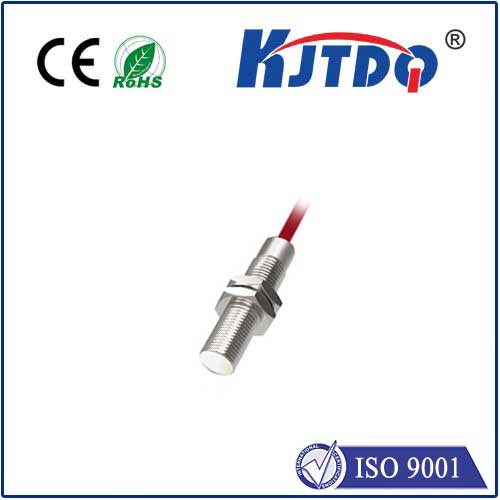
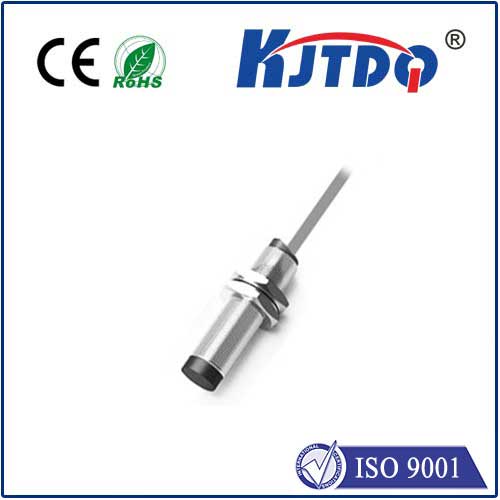
In the rapidly evolving landscape of industrial automation, precision and reliability are non-negotiable. The KJTDQ photoelectric sensor emerges as a pivotal component, driving efficiency and accuracy across diverse applications. Unlike traditional mechanical sensors, photoelectric technology utilizes light beams to detect the presence, absence, or distance of objects, offering a non-contact solution that minimizes wear and tear. This fundamental advantage translates into longer operational lifespans and reduced maintenance costs for machinery.
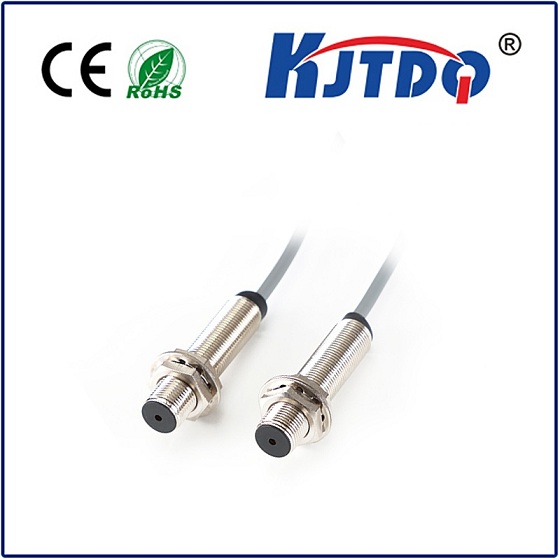
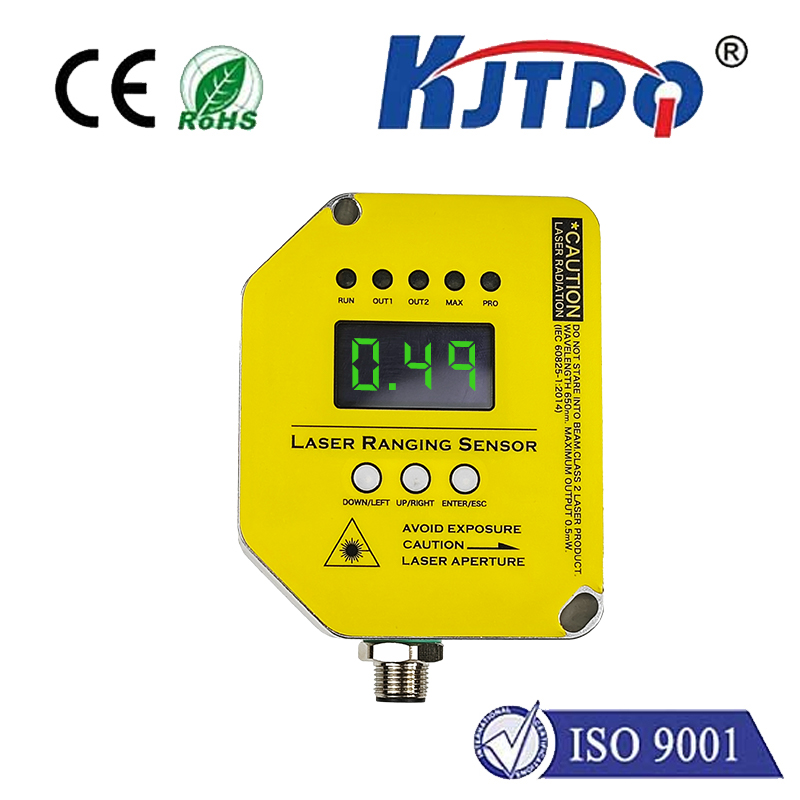
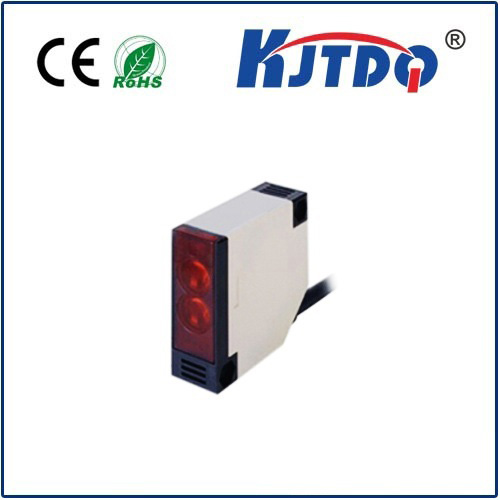
The core principle behind the KJTDQ photoelectric sensor involves an emitter, which projects a light beam—often infrared, visible red, or laser—and a receiver that captures the reflected or interrupted signal. This setup allows for several detection modes: through-beam, retro-reflective, and diffuse reflective. Through-beam sensors, with separate emitter and receiver units, provide the longest sensing ranges and highest reliability, ideal for harsh environments. Retro-reflective models use a single unit and a reflector, offering a good balance of range and ease of installation. Diffuse reflective sensors detect objects by measuring the light reflected directly from the target, making them perfect for close-range applications where space is limited.
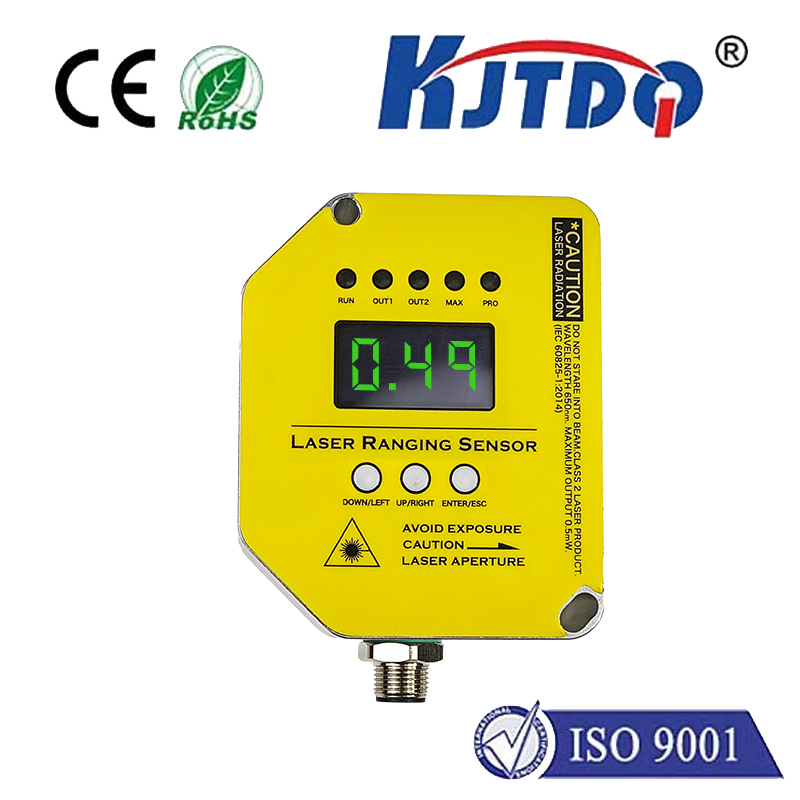
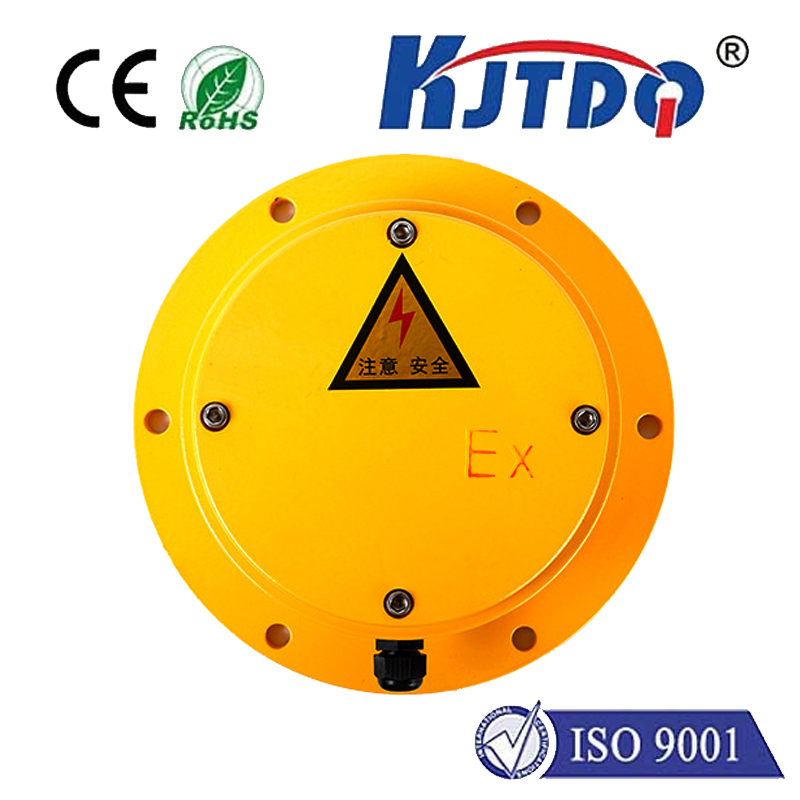
One of the standout features of the KJTDQ series is its robust design, engineered to perform consistently in challenging conditions. Many models boast high ingress protection (IP) ratings, safeguarding against dust, moisture, and mechanical impacts. This durability ensures stable performance in industries such as packaging, material handling, automotive assembly, and food processing, where environmental factors can compromise lesser equipment. Furthermore, advanced models incorporate background suppression technology, allowing them to ignore distant objects or reflective backgrounds and focus solely on the target, thereby reducing false triggers and enhancing process reliability.
Integration into modern automated systems is seamless. These sensors typically offer multiple output options, including NPN, PNP, and analog outputs, compatible with a wide range of programmable logic controllers (PLCs) and other control systems. The ease of installation and configuration, often aided by intuitive indicator LEDs, minimizes setup time and allows for quick adjustments on the production floor. This plug-and-play capability is crucial for maintaining high uptime and facilitating rapid line changeovers in flexible manufacturing environments.
Beyond basic detection, KJTDQ photoelectric sensors contribute significantly to quality control and safety. In assembly lines, they can verify the correct placement of components or count products with exceptional speed. In safety systems, they can form light curtains to protect workers from hazardous machinery, triggering immediate shutdowns when a beam is interrupted. The precision of these sensors helps in reducing material waste, optimizing production flow, and ensuring compliance with stringent industry standards.
The evolution of Industry 4.0 and the Internet of Things (IoT) further amplifies the value of intelligent sensing. Modern KJTDQ sensors can be equipped with IO-Link communication, enabling digital data exchange beyond simple on/off signals. This allows for remote monitoring of sensor health, predictive maintenance alerts, and dynamic parameter adjustments, all of which contribute to smarter, more responsive, and more efficient manufacturing ecosystems. By providing real-time data on process variables, these sensors become integral nodes in a connected factory, feeding information that drives analytics and continuous improvement.
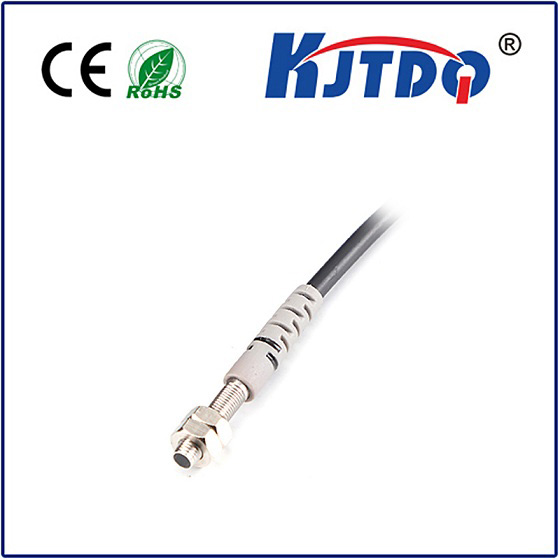
Selecting the right photoelectric sensor requires careful consideration of the application's specific needs: required sensing distance, object size and material, environmental conditions, and required response speed. The KJTDQ portfolio offers a broad spectrum of models to meet these varied demands, from miniature sensors for tight spaces to heavy-duty versions for rugged industrial use. Consulting with technical specialists or referring to detailed datasheets ensures the optimal sensor is deployed, maximizing return on investment.
In conclusion, the integration of KJTDQ photoelectric sensor technology represents a strategic upgrade for any operation seeking to enhance automation performance. By delivering non-contact, reliable, and versatile detection, these sensors form the sensory foundation of modern industrial systems, enabling higher productivity, improved product quality, and greater operational resilience. As automation continues to advance, the role of precise, durable, and intelligent photoelectric sensing will only become more central to achieving operational excellence.