Проверка
Проверка
Проверка
Проверка
Проверка
Проверка
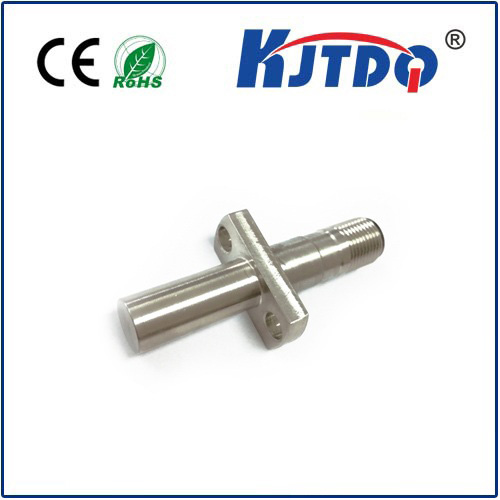
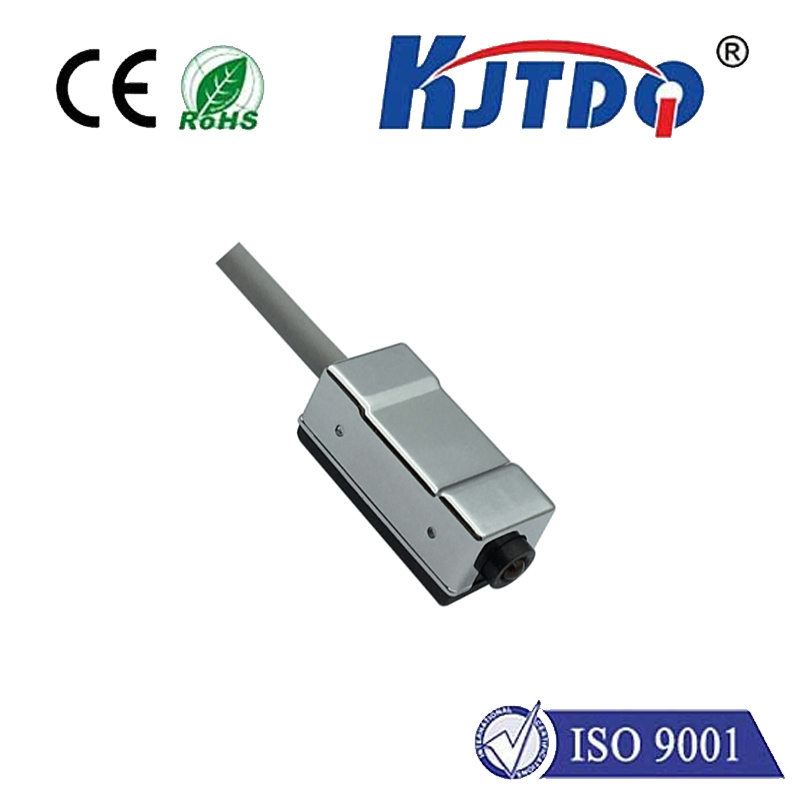
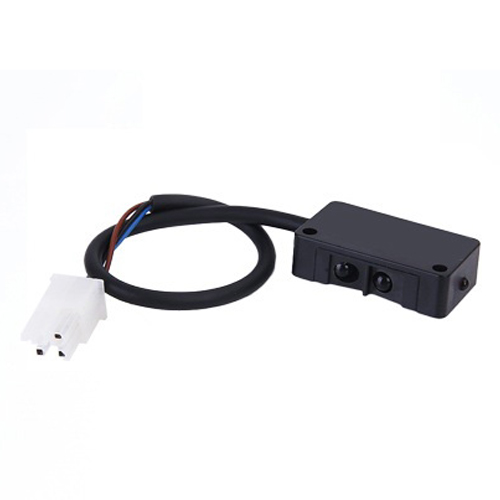
In today's world of smart homes and industrial automation, water detection has become a critical component for safety and efficiency. The photoelectric water sensor stands out as a reliable and advanced solution for monitoring water presence and preventing potential disasters. Unlike traditional float switches or conductive sensors, photoelectric water sensors utilize optical principles to detect water, offering higher accuracy, durability, and versatility.
How does a photoelectric water sensor work? At its core, it employs an infrared LED and a phototransistor. In a dry state, the infrared light from the LED reflects internally within the sensor's prism and reaches the phototransistor. When water comes into contact with the sensor tip, the light refracts differently due to water's higher refractive index, causing less light to reach the phototransistor. This change triggers an electrical signal, indicating the presence of water. This method is highly sensitive and not affected by water purity, color, or conductivity, making it suitable for various liquids.
The advantages of using photoelectric water sensors are numerous. First, they have no moving parts, which reduces wear and tear and extends their lifespan compared to mechanical float switches. They are also resistant to corrosion from water and chemicals, ensuring consistent performance in harsh environments like basements, industrial plants, or outdoor settings. Additionally, these sensors respond quickly, often within seconds, allowing for immediate alerts or automated actions, such as shutting off water valves or activating pumps.
Applications of photoelectric water sensors span across residential, commercial, and industrial sectors. In homes, they are commonly integrated into smart home systems to detect leaks under sinks, near water heaters, or in laundry rooms, sending notifications to smartphones to prevent water damage. In commercial buildings, they monitor HVAC systems, data centers, and plumbing networks to avoid costly disruptions. Industrially, they are used in manufacturing processes, water treatment plants, and flood control systems, where precise liquid level detection is essential for operational safety.
When selecting a photoelectric water sensor, consider factors like sensitivity, response time, and compatibility with existing systems. Many modern sensors come with adjustable settings, wireless connectivity, and integration capabilities with platforms like IoT devices. Proper installation is key—place sensors in low-lying areas where water accumulates first, and test them regularly to ensure functionality. Maintenance is minimal, typically involving occasional cleaning of the sensor tip to prevent false triggers from dust or debris.
In summary, photoelectric water sensors represent a smart investment for anyone looking to enhance water management and protection. By leveraging optical technology, they provide a dependable, low-maintenance way to detect water early, mitigate risks, and save on potential repair costs. As technology advances, these sensors are becoming more accessible and integral to building safer, more efficient environments. Whether for personal use or large-scale operations, adopting photoelectric water sensors can lead to greater peace of mind and operational reliability.