Проверка
Проверка
Проверка
Проверка
Проверка
Проверка
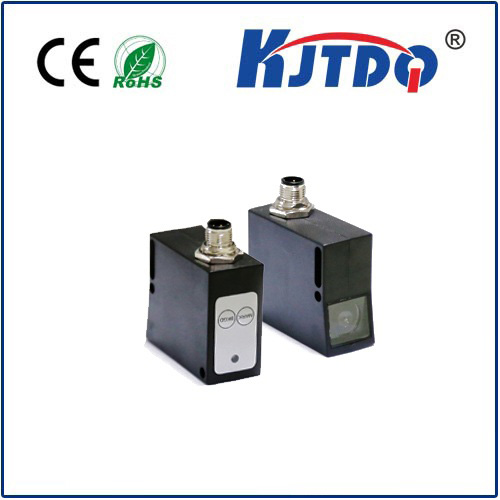
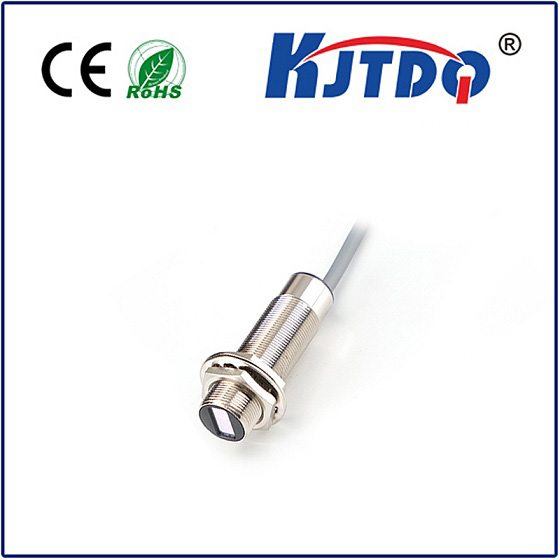
In today's rapidly evolving industrial landscape, the demand for reliable and precise sensing technology has never been greater. Automatic photoelectric sensors stand at the forefront of this technological advancement, offering unparalleled accuracy and efficiency in various applications. These devices utilize light beams to detect the presence, absence, or distance of objects without physical contact, making them indispensable in automated processes across manufacturing, packaging, and logistics sectors.
The core principle behind automatic photoelectric sensors involves emitting a light signal—typically infrared, visible, or laser—and measuring the reflection or interruption caused by an object. This non-contact method ensures minimal wear and tear, leading to longer operational lifespans and reduced maintenance costs. Industries benefit from their ability to operate in harsh environments, resisting dust, moisture, and temperature fluctuations, which enhances system reliability. For instance, in conveyor belt systems, these sensors can detect product positioning, trigger sorting mechanisms, or monitor production lines in real-time, preventing bottlenecks and optimizing throughput.
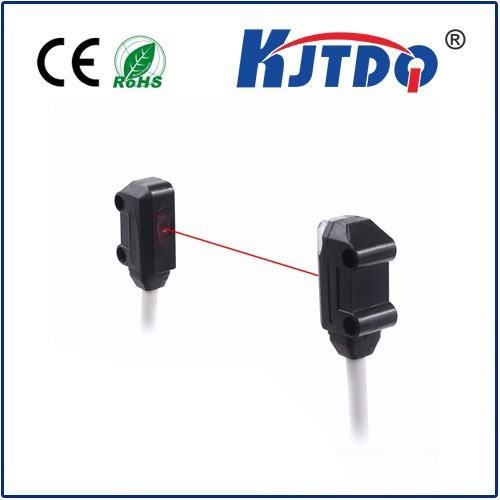
One of the key advantages of automatic photoelectric sensors is their versatility. They come in different configurations, such as through-beam, retro-reflective, and diffuse reflective models, each suited for specific tasks. Through-beam sensors, with separate emitter and receiver units, excel in long-range detection, while diffuse reflective types are ideal for close-range applications where space is limited. This adaptability allows engineers to integrate them seamlessly into existing setups, improving automation without major overhauls. Moreover, advancements in smart sensor technology have enabled features like self-diagnosis and adjustable sensitivity, further boosting operational efficiency.
In practice, these sensors contribute significantly to quality control and safety. By detecting minute variations in object size or position, they help maintain product consistency and reduce waste. In automotive assembly lines, for example, automatic photoelectric sensors ensure components are correctly aligned before welding, enhancing overall product integrity. Additionally, their rapid response times—often in milliseconds—support high-speed operations, crucial for industries like electronics manufacturing where precision is paramount.
The integration of automatic photoelectric sensors with IoT and data analytics platforms marks a new era in industrial automation. By transmitting real-time data to central systems, they enable predictive maintenance and process optimization, reducing downtime and energy consumption. As industries continue to embrace Industry 4.0, the role of these sensors will expand, driving innovation in robotics, smart warehouses, and beyond. Their cost-effectiveness and scalability make them a practical choice for businesses aiming to enhance productivity while staying competitive.
Overall, automatic photoelectric sensors represent a critical component in modern automation, offering a blend of durability, precision, and flexibility. As technology progresses, their applications will likely diversify, supporting sustainable and efficient industrial practices worldwide.