In industrial automation and machinery, precision and reliability are non-negotiable. Among the myriad components that ensure seamless operation, the limit switch rotary stands out as a critical device for position control and safety. This guide delves into the fundamentals, applications, and benefits of rotary limit switches, explaining why they are indispensable in modern engineering.
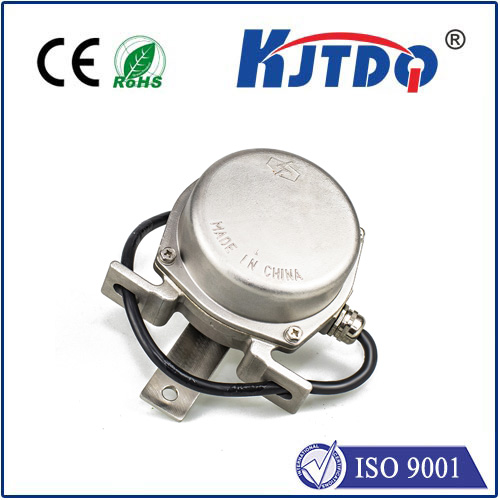
A rotary limit switch, often referred to as a rotary cam limit switch, is an electromechanical device designed to detect the angular position of a rotating shaft or machine part. It operates by using a cam mechanism attached to a rotating element. As the shaft turns, the cam actuates one or more switches at predetermined angles, sending electrical signals to control circuits. This simple yet effective principle allows for precise monitoring and control of rotational movement, making it essential in systems where position accuracy is paramount.
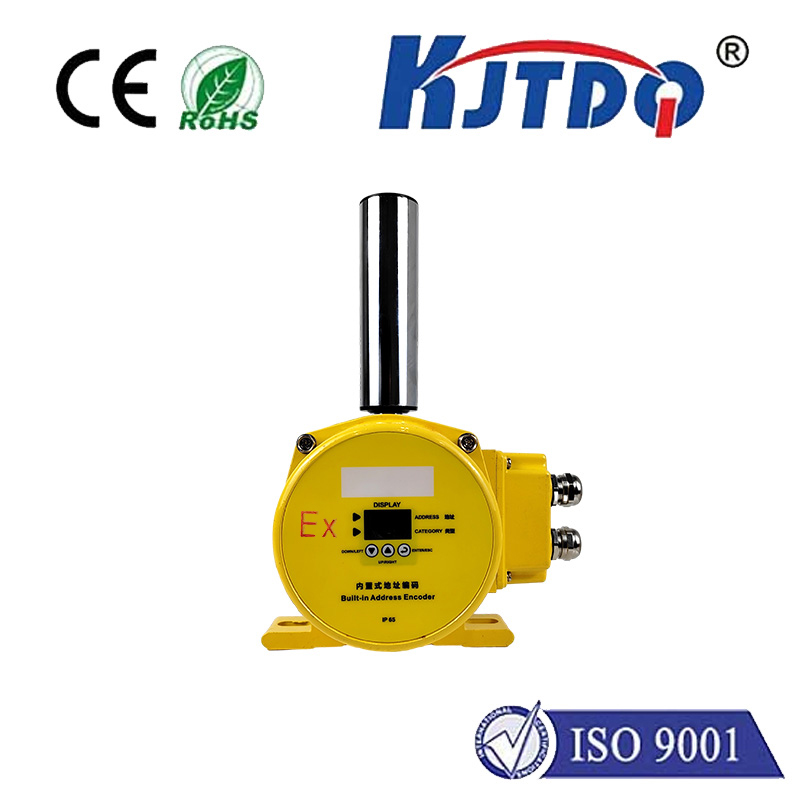
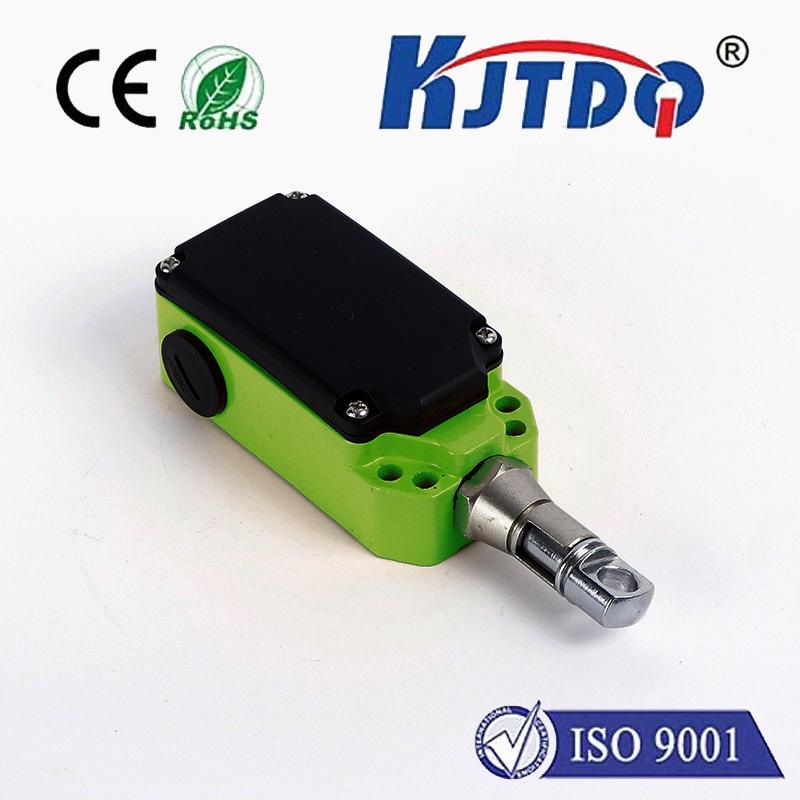
The construction of a typical rotary limit switch involves a robust housing, a rotating shaft with adjustable cams, and multiple snap-action switches. The cams can be set to specific angles to trigger the switches as needed, providing flexibility for various applications. These switches are built to withstand harsh industrial environments, featuring materials that resist dust, moisture, and mechanical wear. Their durability ensures long-term performance with minimal maintenance, reducing downtime and operational costs.
Rotary limit switches find applications across diverse industries. In manufacturing, they are used in conveyor systems to control the movement of materials, ensuring products are correctly positioned for processing or packaging. In the automotive sector, they monitor the rotation of assembly line robots, enhancing precision in welding or painting tasks. Cranes and hoists rely on these switches to limit the swing or lift height, preventing accidents and equipment damage. Additionally, they play a vital role in renewable energy systems, such as wind turbines, where they track blade pitch angles for optimal efficiency.
One of the key advantages of rotary limit switches is their simplicity and reliability. Unlike digital sensors that may be susceptible to electromagnetic interference or software glitches, these mechanical switches offer a fail-safe solution. They provide direct, tangible feedback without the need for complex programming, making them easy to install and troubleshoot. This reliability is crucial in safety-critical applications, where a malfunction could lead to costly repairs or hazardous situations.
When selecting a rotary limit switch, factors such as torque rating, number of switch points, and environmental resistance must be considered. High-torque models are suitable for heavy-duty machinery, while compact versions fit space-constrained setups. Modern advancements have led to the integration of proximity sensors or encoder-like features, blending traditional mechanics with digital accuracy. However, the core appeal remains their mechanical robustness, which ensures consistent performance even in demanding conditions.
Maintenance of rotary limit switches is straightforward. Regular inspections should check for wear on cams and switches, ensuring proper alignment and lubrication. Cleaning the housing to remove debris can prevent false triggers. Most switches are designed for easy adjustment, allowing operators to modify cam settings without disassembling the entire unit. This user-friendly design minimizes training requirements and supports efficient operations.
In conclusion, the limit switch rotary is a cornerstone of industrial automation, offering unmatched reliability for position control. Its mechanical design, adaptability, and durability make it a preferred choice for engineers worldwide. As industries evolve toward smarter systems, the integration of rotary limit switches with IoT platforms is emerging, enabling remote monitoring and predictive maintenance. Yet, their fundamental role in ensuring safety and precision remains unchanged, proving that sometimes, the simplest solutions are the most effective.