Проверка

Проверка
Проверка
Проверка
Проверка
Проверка
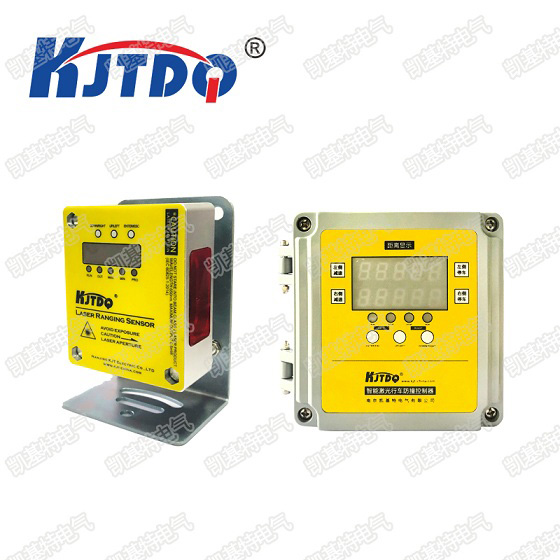
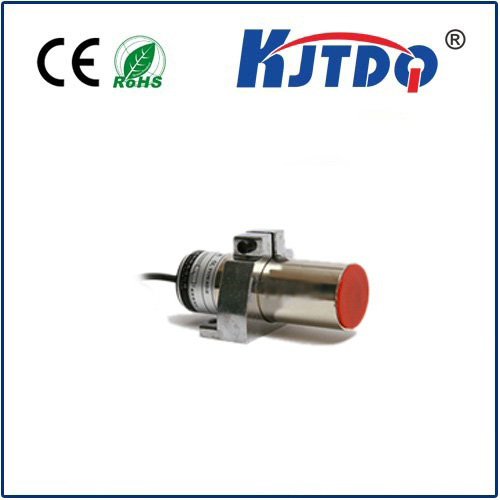
In the evolving landscape of industrial automation, precision and reliability in object detection are paramount. The 30m distance photoelectric sensor stands as a critical component, enabling machines to identify and respond to objects from afar with remarkable accuracy. This technology utilizes light beams, typically infrared or laser, to detect the presence, absence, or position of items without physical contact. By emitting a light signal and measuring its reflection or interruption, these sensors can operate effectively over extended ranges, up to 30 meters, making them ideal for applications in large-scale manufacturing, logistics, and safety systems.
The core advantage of a 30m distance photoelectric sensor lies in its ability to perform in challenging environments. Unlike mechanical switches or shorter-range sensors, it can monitor wide areas, such as conveyor belts in warehouses or vehicle movement in parking facilities, reducing the need for multiple devices and minimizing installation costs. Its non-contact nature ensures minimal wear and tear, leading to lower maintenance requirements and enhanced durability. Industries benefit from improved efficiency, as these sensors facilitate seamless automation processes, from inventory management to robotic guidance, without human intervention.
When selecting a 30m distance photoelectric sensor, key factors include the sensing mode—whether through-beam, retro-reflective, or diffuse—each suited for specific scenarios. Through-beam models offer the highest accuracy for long distances by using separate emitter and receiver units, while diffuse types rely on light reflection from the target itself. Environmental conditions like dust, fog, or bright ambient light can affect performance, so opting for sensors with robust housings and adjustable sensitivity is crucial. Modern versions often incorporate features like background suppression and programmable logic to adapt to dynamic settings, ensuring consistent operation in sectors like automotive assembly or agricultural machinery.
Integration of these sensors into automated systems enhances safety and productivity. For instance, in automated guided vehicles (AGVs), they help prevent collisions by detecting obstacles from a distance, allowing for timely adjustments. In packaging lines, they ensure precise product counting and positioning, reducing errors and waste. The data collected can be fed into control systems for real-time monitoring, enabling predictive maintenance and optimizing workflow. As industries embrace Industry 4.0, the demand for reliable long-range sensors grows, driving innovations in energy efficiency and connectivity, such as IoT-enabled models that provide remote diagnostics.
Overall, the 30m distance photoelectric sensor is a versatile tool that empowers industries to achieve higher levels of automation. By offering long-range, non-contact detection, it addresses the needs of complex applications while boosting operational resilience. As technology advances, these sensors are set to become even more integral to smart factories and logistics networks, supporting a future where machines work smarter and safer. For businesses seeking to upgrade their automation infrastructure, investing in quality photoelectric sensors can yield significant returns in performance and cost savings.