Проверка
Проверка
Проверка
Проверка
Проверка
Проверка
In today's rapidly evolving technological landscape, the photoelectric infrared sensor stands as a cornerstone of modern automation and security systems. This sophisticated device operates by detecting infrared light emitted or reflected by objects, converting these signals into electrical outputs that enable precise monitoring and control. Unlike traditional sensors, photoelectric infrared sensors offer exceptional accuracy, reliability, and versatility across diverse applications, from industrial manufacturing to smart home solutions.
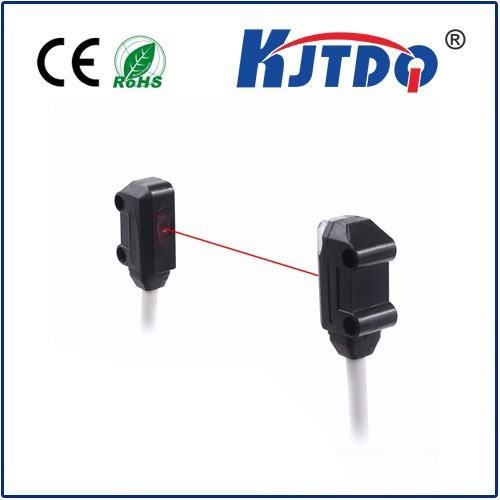
The core principle behind photoelectric infrared sensors involves the use of infrared light beams. When an object interrupts or reflects this beam, the sensor detects the change and triggers a response. This mechanism allows for non-contact detection, making it ideal for environments where physical interaction is impractical or hazardous. For instance, in conveyor belt systems, these sensors can identify products without direct touch, reducing wear and tear and minimizing downtime. Similarly, in security setups, they can detect motion in restricted areas, enhancing safety without human intervention.
One of the key advantages of photoelectric infrared sensors is their adaptability to various conditions. They perform reliably in low-light or dark environments, as infrared light is invisible to the human eye yet easily detectable by specialized components. This feature makes them invaluable for nighttime surveillance, automated lighting systems, and energy management in buildings. Additionally, advancements in sensor technology have led to improved resistance to environmental factors such as dust, moisture, and temperature fluctuations, ensuring consistent operation in challenging settings like outdoor installations or harsh industrial zones.
In industrial automation, photoelectric infrared sensors play a pivotal role in optimizing efficiency. They are commonly used for object counting, position sensing, and quality control on production lines. By providing real-time data, these sensors help reduce errors, increase throughput, and lower operational costs. For example, in packaging facilities, they ensure that items are correctly aligned and sealed, preventing waste and improving product consistency. Moreover, their integration with IoT (Internet of Things) platforms enables remote monitoring and predictive maintenance, further boosting productivity.
The consumer electronics and smart home sectors also benefit significantly from photoelectric infrared sensors. In devices like automatic doors, touchless faucets, and smart thermostats, these sensors enhance convenience and hygiene by enabling hands-free operation. They contribute to energy savings by detecting occupancy and adjusting lighting or heating accordingly, aligning with global sustainability goals. As smart cities evolve, such sensors are increasingly deployed in traffic management systems, public safety networks, and environmental monitoring, showcasing their broad societal impact.
When selecting a photoelectric infrared sensor, factors like detection range, response time, and output type must be considered. Models vary from short-range variants for precise tasks to long-range options for expansive areas. Digital outputs, such as NPN or PNP signals, facilitate easy integration with controllers and microprocessors, while analog outputs provide continuous data for nuanced applications. It's essential to choose sensors from reputable manufacturers that comply with international standards, ensuring durability and performance.
Looking ahead, innovations in photoelectric infrared sensor technology continue to emerge. Developments in miniaturization, power efficiency, and AI-driven analytics promise even smarter, more responsive systems. As industries embrace Industry 4.0 and consumers seek smarter living solutions, these sensors will remain at the forefront, driving progress through enhanced sensing capabilities. By understanding their functions and applications, businesses and individuals can leverage this technology to achieve greater efficiency, safety, and innovation.