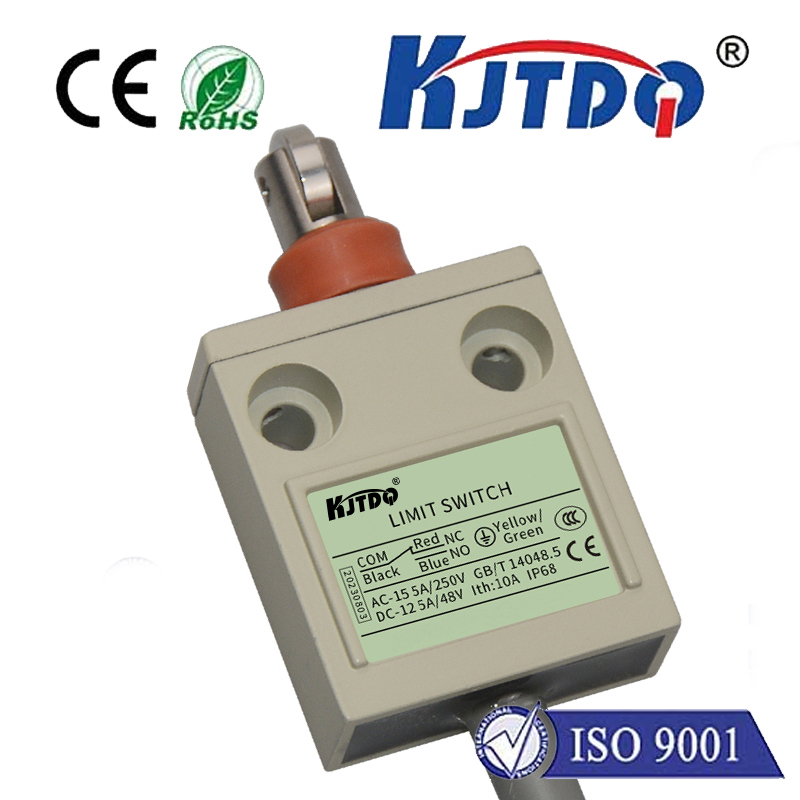
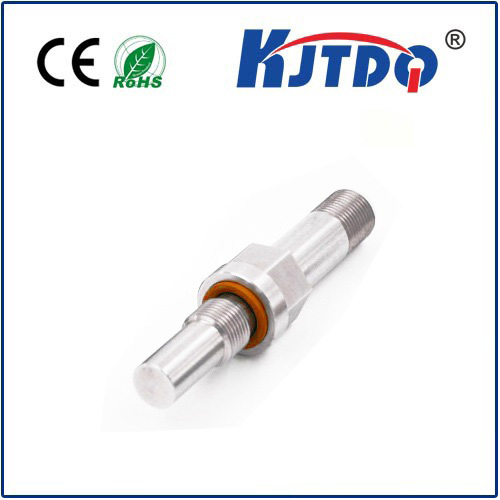
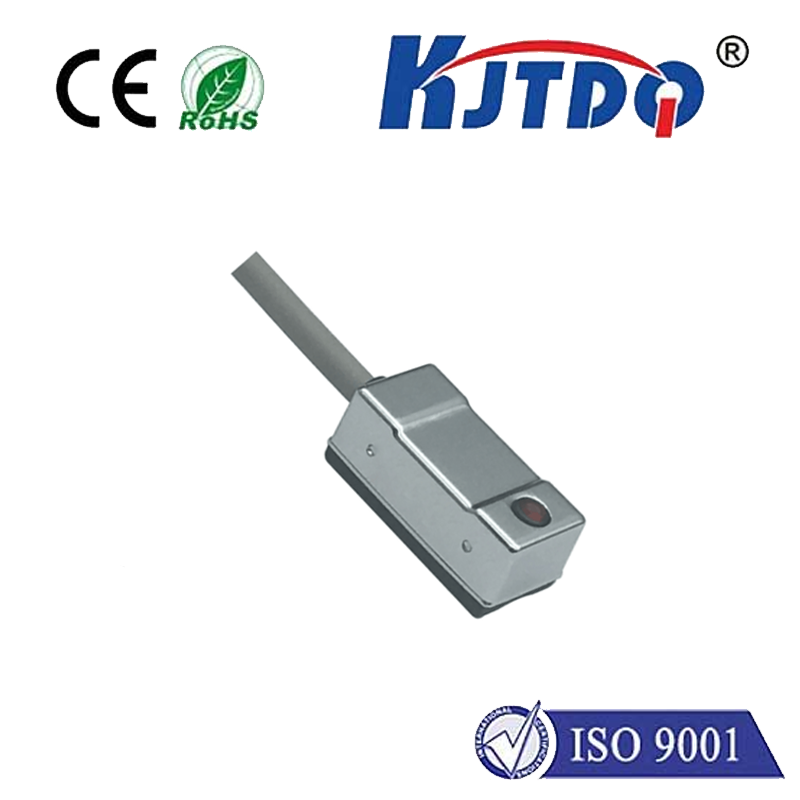
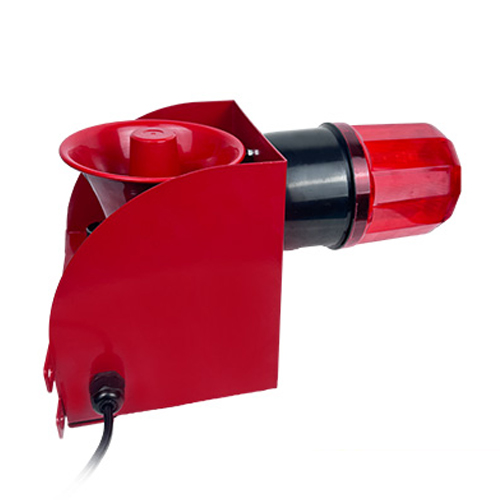
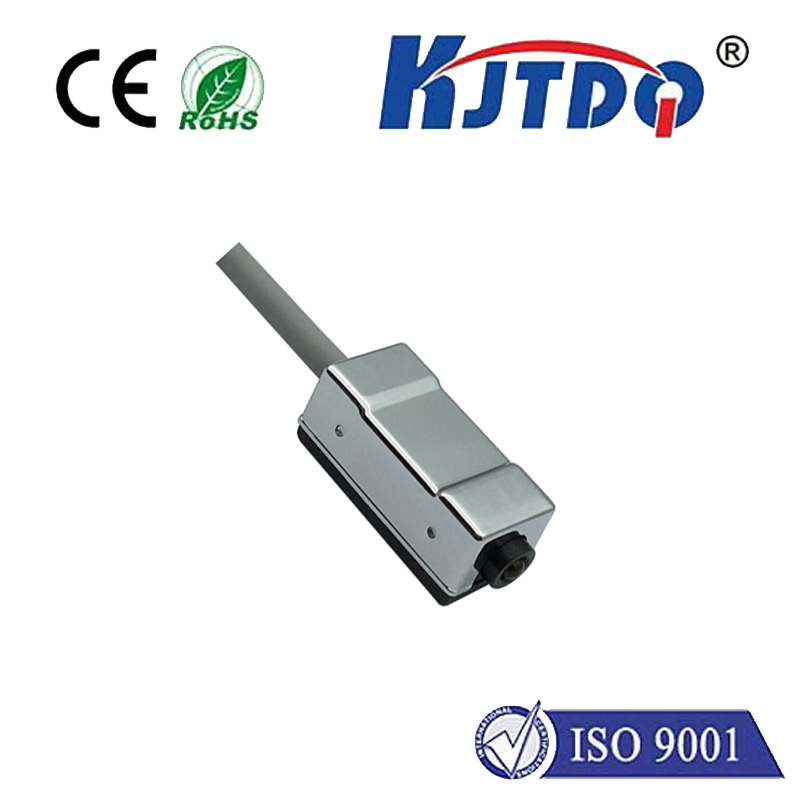
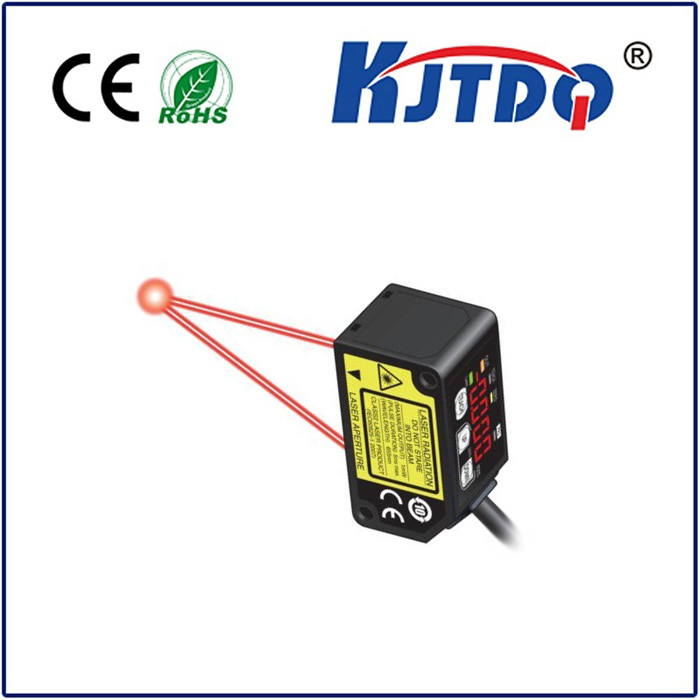
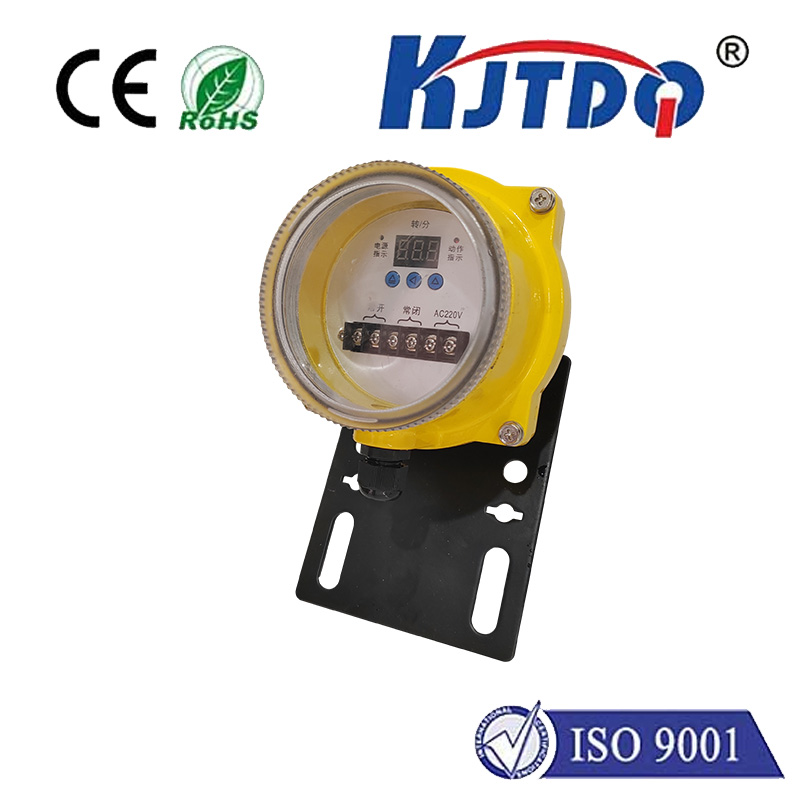
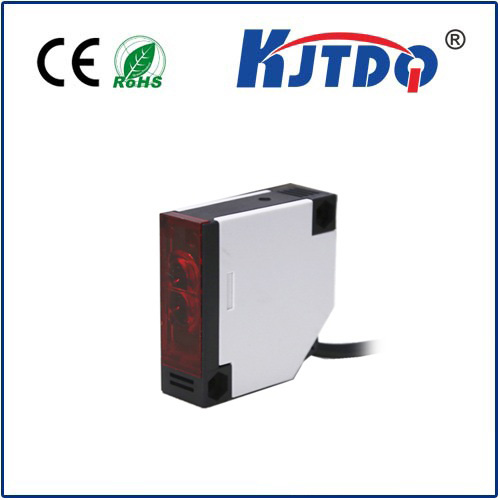
In the rapidly evolving landscape of industrial automation, precision and reliability are non-negotiable. The integration of advanced sensing technology forms the backbone of efficient production lines, material handling systems, and safety mechanisms. Among these critical components, the photoelectric sensor with time delay output stands out as a pivotal innovation, offering unparalleled control over automated processes. The KJTDQ series exemplifies this technology, providing engineers and system integrators with a robust tool to optimize sequential operations and enhance overall system intelligence.
A photoelectric sensor operates by emitting a light beam—typically infrared, visible red, or laser—and detecting changes in the received light signal caused by the presence or absence of a target object. The core functionality of the KJTDQ model is augmented by its integrated time delay feature. This capability allows the sensor to introduce a precise, user-defined delay between detecting an object and sending the output signal. This seemingly simple addition unlocks a multitude of sophisticated applications, moving beyond basic detection to active process management.
The operational principle is both elegant and powerful. Upon sensing an object, the sensor's internal timer is triggered. Only after the preset delay period elapses does the sensor change its output state (e.g., from OFF to ON, or vice-versa). Conversely, a delay can also be applied upon the object leaving the detection zone. This programmability, often adjustable via a potentiometer or digital interface, allows for exact synchronization with downstream machinery. For instance, on a conveyor belt sorting system, the KJTDQ sensor can detect a package and, after a calculated delay corresponding to the travel time to the diverter arm, trigger the actuator precisely when the package is in the correct position. This eliminates the need for complex external timers or PLC programming for simple sequential tasks, reducing system complexity and potential points of failure.
The applications for a photoelectric sensor with this timed output are vast and varied across industries. In packaging, it ensures filling heads open and close at the exact moment a container is in place, preventing spillage. In assembly lines, it can control the duration a robotic gripper holds a component before placement or initiate a quality inspection scan after a product has settled into a fixture. For safety and access control, the delay function can keep a door locked for a set period after detection, managing pedestrian flow or securing areas. The KJTDQ's robust housing, designed to withstand dust, moisture, and vibration, makes it suitable for harsh environments like woodworking, metal fabrication, and automotive plants, where reliable timing is crucial for both productivity and safety.
Choosing the KJTDQ photoelectric sensor with time delay output offers significant advantages. It simplifies control cabinet layouts by reducing the number of external timing relays required. This consolidation leads to lower installation costs, easier maintenance, and a more streamlined system architecture. The built-in delay enhances process accuracy by eliminating signal transmission lag inconsistencies that can occur when using separate components. Furthermore, its flexibility allows for quick adjustments on the fly in response to changing production speeds or product types, maximizing operational agility.
Installation and setup are designed for user convenience. Key considerations include selecting the appropriate sensing mode (through-beam, retro-reflective, or diffuse reflective) for the application, accurately aligning the emitter and receiver if applicable, and configuring the delay time and output logic (delay-on-operate or delay-on-release). Proper mounting away from highly reflective backgrounds or sources of interfering light ensures stable performance. Regular lens cleaning and functional checks are recommended as part of preventive maintenance to sustain long-term reliability and sensing accuracy.
In conclusion, the demand for smarter, more autonomous systems continues to grow. The KJTDQ photoelectric sensor with integrated time delay output directly addresses this need by embedding precise timing control at the point of detection. It transforms a basic sensing event into a commanded action, bridging the gap between perception and execution. For industries seeking to improve efficiency, reduce complexity, and achieve higher levels of automation precision, integrating this advanced sensor technology represents a strategic and impactful step forward. By delivering reliable, timed responses directly from the sensor itself, the KJTDQ series empowers businesses to build more resilient, efficient, and intelligent automated operations.