Проверка
Проверка
Проверка
Проверка
Проверка
Проверка
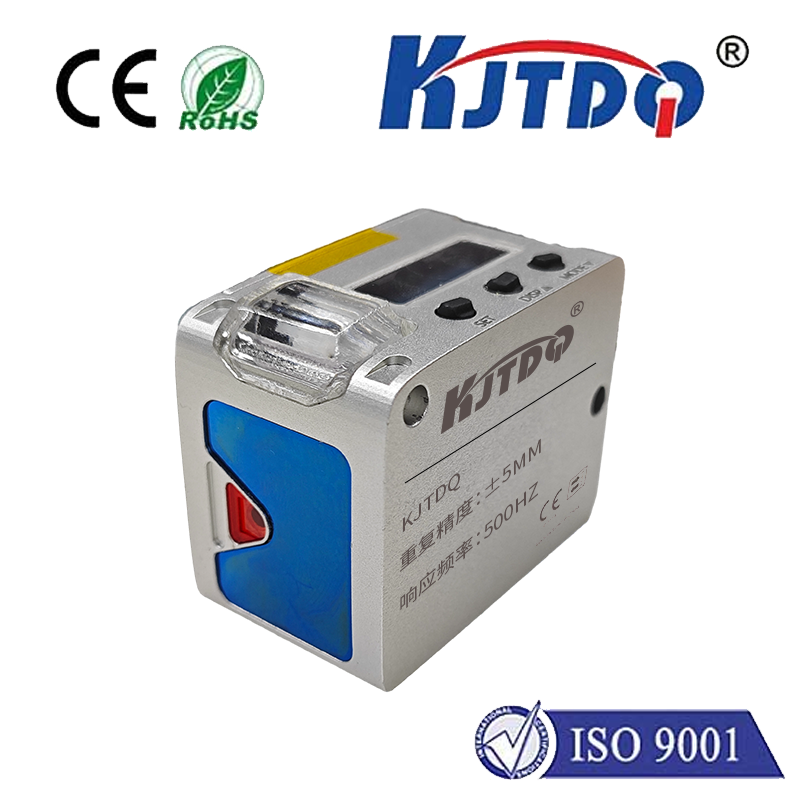
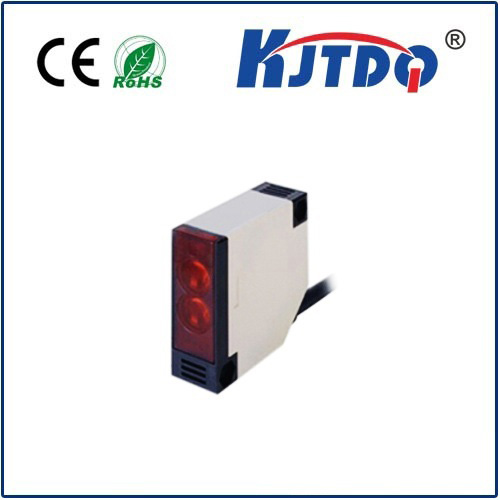
In the rapidly evolving landscape of industrial automation, the demand for reliable, precise, and durable sensing solutions is paramount. Among the array of technologies available, mirror reflector photoelectric sensors stand out as a cornerstone for countless applications, from packaging and material handling to assembly line monitoring and safety systems. The core principle is elegantly simple yet profoundly effective: a combined emitter and receiver unit projects a light beam towards a specially designed reflector. This reflector, typically a corner-cube or prism type, is engineered to return the beam directly to the receiver, regardless of the angle of incidence. When an object interrupts this beam, the sensor detects the change in light reception and triggers a switching signal. This setup offers a significant advantage over through-beam sensors by requiring wiring and power only on one side of the detection area, simplifying installation and reducing costs in setups where mounting a separate receiver opposite the emitter is impractical.
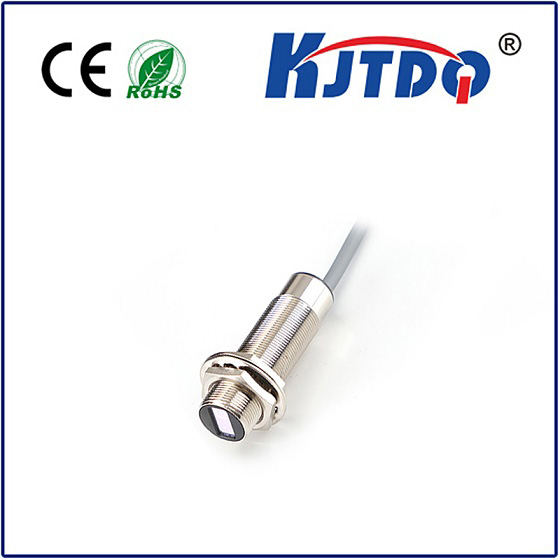
The integration of a high-quality mirror reflector is what elevates the performance of these sensors. Advanced reflectors are designed to maintain a consistent and strong return signal even in challenging environments. They are often coated to resist dust, moisture, and chemical exposure, ensuring long-term stability. For the photoelectric sensor itself, key performance metrics include sensing distance, response time, and environmental robustness. Modern sensors feature modulated infrared or visible red light to combat ambient light interference, making them reliable under varying factory lighting conditions. The housing is frequently built to meet IP67 or higher ratings, providing resistance against water and dust ingress, which is critical for washdown areas in food and beverage or pharmaceutical industries.
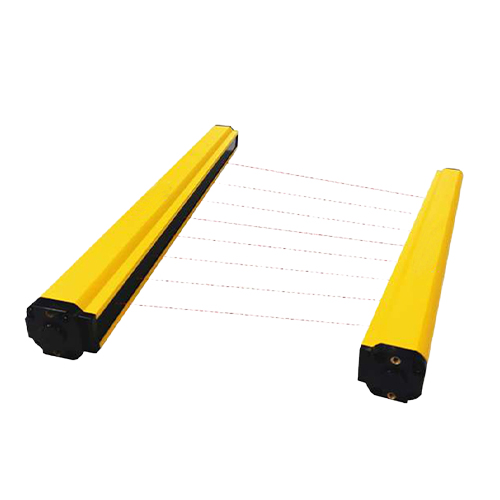
The application versatility of mirror reflector photoelectric sensors is vast. They are indispensable for object detection on conveyor belts, ensuring products are present for labeling or sorting. In automated storage and retrieval systems, they provide precise positioning feedback for pallets and totes. Furthermore, they serve as critical components in safety light curtains and access control systems, where reliable beam interruption detection is non-negotiable for personnel protection. Their ability to detect transparent objects, like glass or plastic films, when tuned correctly, adds another layer of utility. The choice of a sensor often hinges on specific needs: longer sensing ranges for large machinery guards, miniature designs for tight spaces, or models with adjustable sensitivity to ignore background objects.
When selecting and implementing these sensors, several best practices ensure optimal performance. First, proper alignment between the sensor and the reflector is crucial; even a slight misalignment can drastically reduce the effective sensing range and signal strength. Second, the mounting must be secure to prevent vibration-induced drift. Third, the operating environment must be considered—factors like heavy airborne dust, steam, or highly reflective backgrounds can cause false triggers. Many contemporary sensors come equipped with diagnostic LEDs that indicate alignment quality and operational status, greatly aiding in setup and maintenance. Regular cleaning of the sensor lens and the reflector surface is a simple but essential maintenance task to prevent performance degradation from accumulated grime.
Looking ahead, the evolution of mirror reflector photoelectric sensors is intertwined with Industry 4.0 trends. We are seeing the rise of sensors with IO-Link capability, which allows for digital parameter setting, remote monitoring, and predictive maintenance data collection. This intelligence transforms a simple detection device into a smart node on the network, providing valuable insights into machine health and process efficiency. The fundamental reliability of the mirror reflector principle, combined with these smart features, ensures this technology will remain a vital tool for engineers designing the automated systems of today and tomorrow. Its blend of simplicity, robustness, and adaptability makes it an enduring solution for precise optical detection across a multitude of industrial challenges.