Проверка
Проверка
Проверка
Проверка
Проверка
Проверка
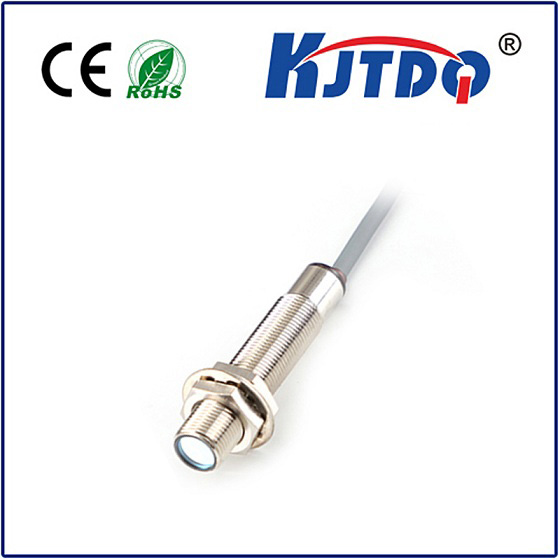
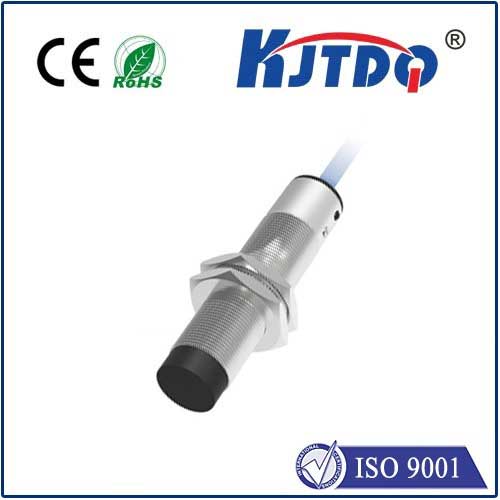
In the rapidly evolving world of industrial automation, the integration of sensing and control functions is paramount for efficiency and reliability. A photoelectric sensor with a built-in relay represents a sophisticated solution that combines detection and switching capabilities into a single, compact unit. This guide delves into the workings, benefits, and applications of this powerful component, providing essential insights for engineers and system integrators.
At its core, a photoelectric sensor operates by emitting a beam of light, typically from an LED, and detecting its reflection or interruption. This technology excels at detecting objects without physical contact, making it ideal for harsh environments where dirt, moisture, or mechanical wear could compromise other sensor types. The integrated relay is the critical differentiator. A relay is an electromechanical switch that uses a small electrical signal to control a much larger circuit. By embedding this relay directly into the sensor housing, the device can directly control actuators, motors, alarms, or other industrial loads the moment an object is detected.
This integration offers significant practical advantages. Firstly, it simplifies system design and reduces wiring complexity. Instead of requiring a separate controller or PLC to process the sensor's signal and then trigger an external relay, the all-in-one unit handles the entire process. This leads to a cleaner control panel, lower installation costs, and reduced potential points of failure. Secondly, it enhances response speed. The direct connection between sensing and switching minimizes signal processing delays, enabling faster machine cycles. Furthermore, these sensors are known for their robustness. Many models feature rugged housings rated for IP67 or higher, protecting them from dust and water jets, and are built to withstand significant vibration and electrical noise common in industrial settings.
The applications for photoelectric sensors with relays are vast and varied. In packaging lines, they can detect the presence of a product on a conveyor and immediately trigger a pneumatic pusher to divert it. In material handling, they can count boxes entering a storage area and directly control a gate or indicator light. They are also extensively used in automated assembly processes to verify part placement and activate the next step in the sequence, or in security systems to detect intrusion and sound an alarm or lock a door directly. Their versatility extends to areas like liquid level control in tanks, where they can detect a full level and automatically shut off a filling pump.
When selecting a photoelectric sensor with a relay, several key specifications must be considered. The sensing range, which varies from a few centimeters to several meters, must match the application. The type of sensing mode—through-beam, retro-reflective, or diffuse—will depend on the object's properties and the installation environment. The relay's contact rating, usually specified in amps for AC and DC voltages, is crucial to ensure it can handle the connected load's power requirements without damage. Additional features like adjustable sensitivity, time delays (on-delay, off-delay), and diagnostic LED indicators add valuable functionality for fine-tuning system performance.
Maintenance of these devices is generally straightforward. Regular cleaning of the lens ensures consistent optical performance. It is also important to periodically check the tightness of electrical connections and inspect the relay contacts for signs of wear or arcing, especially when switching inductive loads like motors. Adhering to the manufacturer's environmental specifications prevents premature failure.
In conclusion, the photoelectric sensor with an integrated relay is a cornerstone of modern, streamlined automation. It embodies the principle of direct, localized control, reducing complexity while boosting reliability and speed. For any project requiring precise object detection coupled with immediate, high-power switching action, this integrated solution offers an efficient and robust answer, proving itself as an indispensable tool in the engineer's arsenal for building smarter, more responsive automated systems.