Проверка
Проверка
Проверка
Проверка
Проверка
Проверка
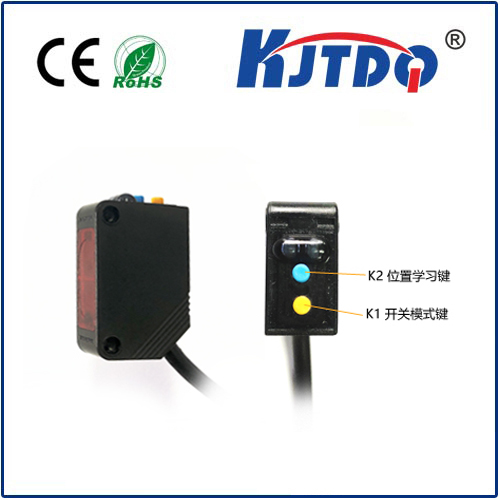
In the demanding world of industrial automation, reliability is non-negotiable. Equipment must perform flawlessly under extreme conditions, from dusty warehouses to wet processing lines. This is where the photoelectric sensor with an IP67 rating becomes an indispensable component, and KJTDQ stands at the forefront of delivering this critical reliability. An IP67-rated photoelectric sensor is engineered to offer complete protection against dust ingress and temporary immersion in water up to one meter for 30 minutes. This level of durability ensures uninterrupted operation, minimizing downtime and maintenance costs in challenging settings.
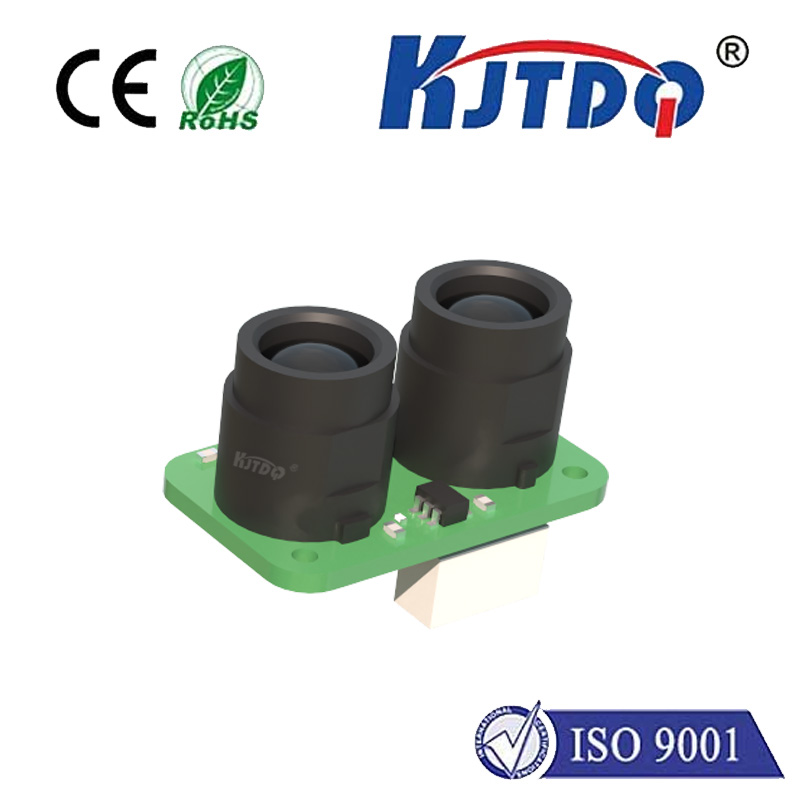
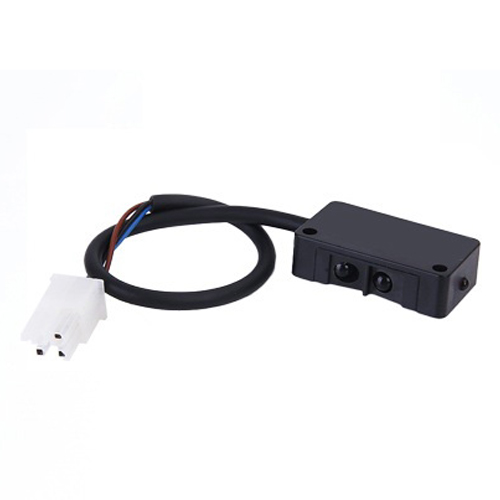
The core technology of a photoelectric sensor involves emitting a light beam—typically infrared, visible red, or laser—to detect the presence, absence, or distance of an object. KJTDQ's IP67 sensors excel in this fundamental task with enhanced precision. They utilize advanced optical components and signal processing algorithms to ensure stable detection even when lenses accumulate minor condensation or dust. This robustness translates to fewer false triggers and more consistent data for control systems, which is vital for maintaining production quality and throughput.
Applications for these rugged sensors are vast and varied. In automotive manufacturing, KJTDQ IP67 photoelectric sensors reliably detect components on assembly lines exposed to coolants and oils. In food and beverage processing, they withstand high-pressure washdowns, ensuring hygiene standards without compromising sensor function. Packaging machinery, material handling systems in logistics centers, and outdoor agricultural equipment all benefit from the environmental sealing that the IP67 standard guarantees. By integrating these sensors, engineers can design systems with greater confidence, knowing the sensing point is not a vulnerability.
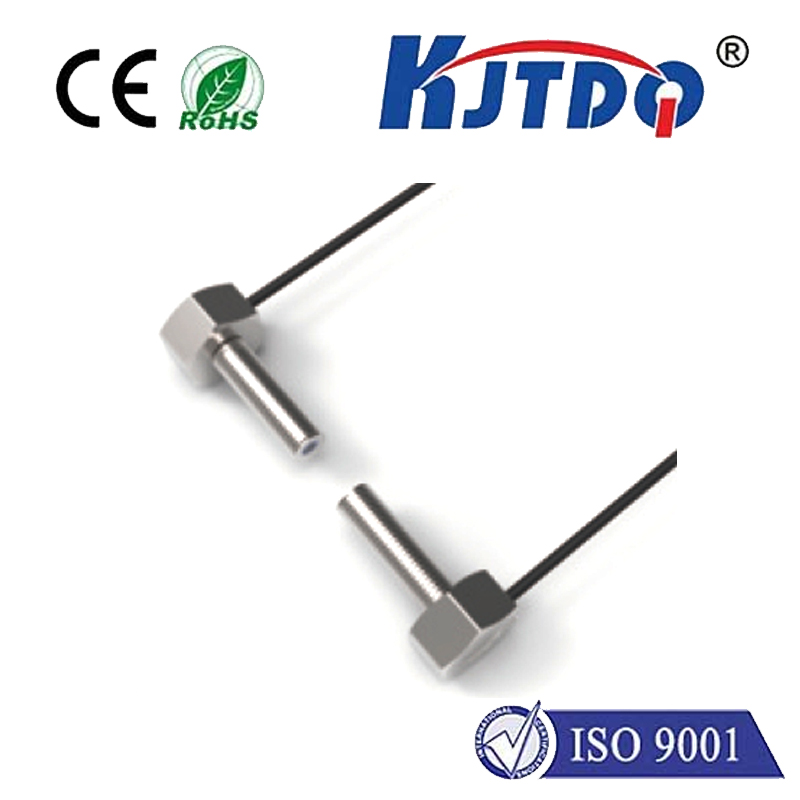
Choosing KJTDQ for your IP67 photoelectric sensor needs means selecting a partner committed to quality and innovation. KJTDQ sensors are subjected to rigorous testing that exceeds standard certifications. Each unit is validated for long-term performance under thermal cycling, vibration, and chemical exposure scenarios common in industrial environments. Furthermore, KJTDQ offers a diverse portfolio, including through-beam, retro-reflective, and diffuse reflective models with IP67 protection, allowing for the perfect fit for any specific application geometry or range requirement.
Beyond the physical robustness, KJTDQ integrates smart features into its IP67 sensor line. Many models come with intuitive setup tools like teach-in functions or IO-Link communication capability. IO-Link, in particular, transforms a simple sensor into a smart device, enabling remote configuration, real-time monitoring of operating status, and predictive maintenance alerts. This digital transformation capability future-proofs your investment, turning data from the sensor into actionable insights for optimizing entire production processes.
Installation and maintenance are streamlined with user-centric design. KJTDQ IP67 photoelectric sensors often feature robust metal or high-grade plastic housings with clear status LEDs visible even in bright ambient light. Connectors are designed for secure mating, preventing accidental disconnection and ensuring the integrity of the IP67 seal. This attention to detail reduces installation time and ensures the sensor performs as intended from day one through years of service.
In conclusion, for operations where environmental factors pose a constant threat to electronic components, the photoelectric sensor IP67 from KJTDQ is more than just a component; it is a strategic asset. It delivers the unwavering detection reliability necessary for modern, efficient, and continuous industrial automation. By ensuring that the critical link of object detection remains operational against dust, water, and shock, KJTDQ empowers businesses to achieve higher levels of productivity and operational resilience. Investing in such proven technology is a direct step towards reducing total cost of ownership and building a more robust, intelligent factory floor.