Проверка
Проверка
Проверка
Проверка
Проверка
Проверка
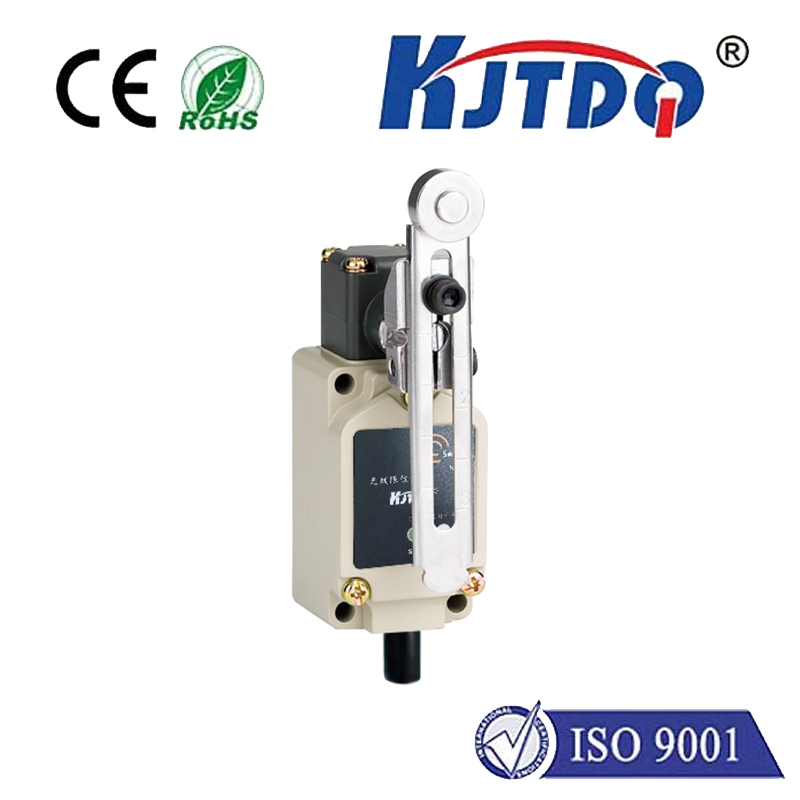
In industrial automation and machinery control, precision and reliability are non-negotiable. The best limit switch serves as a critical component in ensuring operational safety, accuracy, and efficiency. A limit switch is an electromechanical device that detects the presence or absence of an object, or monitors its position, by physically making or breaking an electrical contact. When integrated into systems, it acts as a sentinel, halting machinery at predefined limits to prevent overtravel, damage, or hazardous conditions.
The quest for the best limit switch involves evaluating several key factors. Durability stands paramount, as these switches often endure harsh environments—exposure to dust, moisture, extreme temperatures, and mechanical stress. High-quality limit switches are built with robust housings, typically from materials like stainless steel or thermoplastic, offering IP67 or higher ingress protection ratings. This ensures longevity even in demanding settings such as manufacturing plants, conveyor systems, or automotive assembly lines.
Precision is another cornerstone. The best limit switches provide consistent actuation points, minimizing errors in positioning. This is achieved through precise engineering of the actuator mechanism—whether lever, roller, or plunger-style—and reliable contact blocks. Repeat accuracy, often measured in millimeters, is vital for applications like CNC machining or packaging equipment, where minor deviations can lead to product defects or downtime.
Electrical performance also plays a crucial role. Look for switches with high electrical ratings suitable for your load requirements, whether for low-voltage control circuits or higher-power industrial loads. Gold-plated contacts can enhance conductivity and reduce arcing, extending the switch's lifespan. Additionally, options like slow-action contacts help mitigate wear from frequent switching, while sealed designs prevent contamination from affecting performance.
Ease of installation and maintenance further defines superiority. The best limit switches feature modular designs, allowing quick replacement of components without dismantling entire setups. Clear markings, adjustable actuators, and versatile mounting options simplify integration into existing systems. Compatibility with various control systems, including PLCs (Programmable Logic Controllers), ensures seamless operation across automated processes.
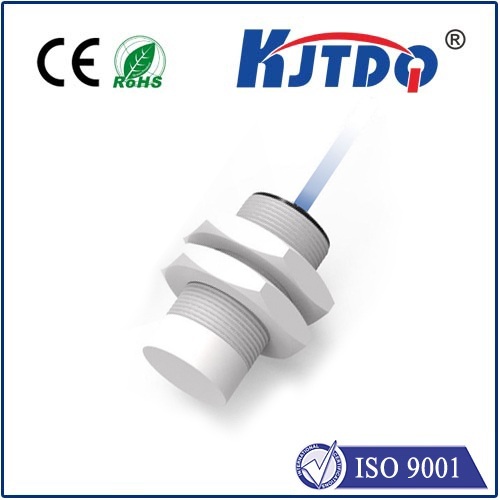
Innovations in limit switch technology continue to evolve. For instance, non-contact variants using inductive or capacitive sensing offer alternatives where physical wear is a concern, though traditional electromechanical switches remain favored for their tactile feedback and cost-effectiveness in many scenarios. When selecting a limit switch, consider environmental factors, actuation frequency, and required safety certifications (e.g., UL, CE) to match industry standards.
In summary, the best limit switch combines rugged construction, exact precision, reliable electrical characteristics, and user-friendly design. It’s not merely a component but a safeguard that enhances productivity and protects investments in machinery. By choosing a high-quality limit switch, industries can achieve smoother operations, reduced maintenance costs, and improved safety—key drivers for sustainable growth in today’s competitive landscape.