In the demanding world of industrial automation, sensor reliability is non-negotiable. Equipment must perform consistently under harsh conditions—exposed to dust, moisture, vibration, and temperature extremes. This is where the photoelectric sensor with an IP67 rating becomes an indispensable component. The IP67 designation is not just a specification; it is a promise of durability and uninterrupted operation. This guide explores the critical role of IP67-rated photoelectric sensors, their applications, and key selection criteria.
An IP67 rating, defined by the International Electrotechnical Commission (IEC) standard 60529, provides clear information about a device's level of protection against solid particles and liquids. The "6" indicates complete protection against dust ingress—it is dust-tight. The "7" signifies the sensor can withstand immersion in water up to 1 meter deep for 30 minutes. For a photoelectric sensor, this means its sensitive optical components, housing, and electrical connections are hermetically sealed. This protection is achieved through robust housing materials like stainless steel or high-grade plastics, specialized seals, and potted electronics. This construction prevents internal fogging, corrosion, and electrical failure, which are common causes of sensor downtime in challenging environments.
The applications for IP67 photoelectric sensors are vast and critical. In food and beverage processing, they detect product presence on washdown conveyor belts, enduring frequent high-pressure, high-temperature cleaning with caustic chemicals. In automotive manufacturing, these sensors perform precise object detection and positioning on robotic assembly lines, unaffected by oil mist, coolant splashes, or metal debris. In packaging machinery, they ensure accurate label placement and carton counting, operating reliably despite paper dust and occasional moisture exposure. Outdoor applications, such as material handling in logistics yards or vehicle detection in automated gate systems, rely on IP67 sensors to perform in rain, snow, and dusty winds. Essentially, any environment where cleanliness, moisture, or particulate matter is a concern is a prime candidate for an IP67 photoelectric sensor.
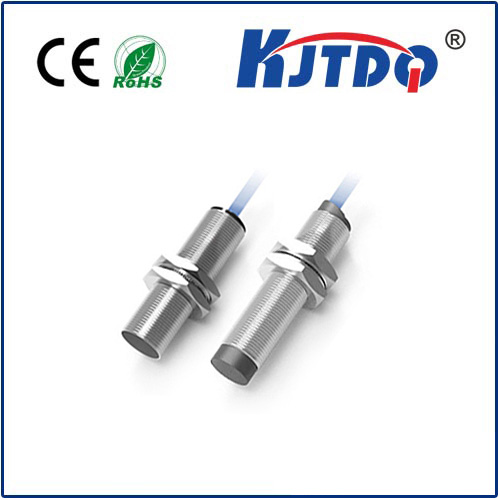
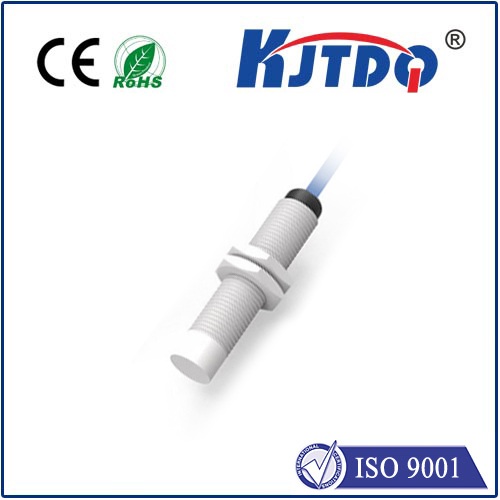
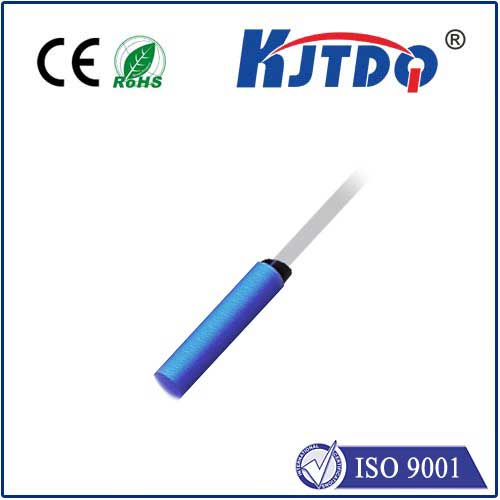
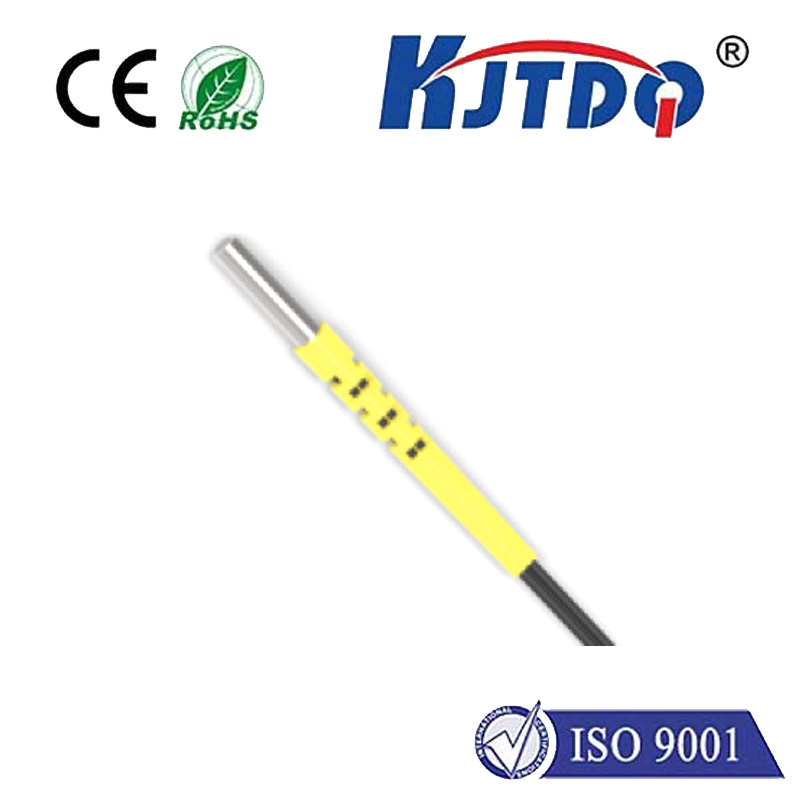
When selecting an IP67 photoelectric sensor, several technical factors beyond the ingress protection rating must be considered. First, the sensing mode: through-beam, retro-reflective, or diffuse reflective. Through-beam models offer the longest range and highest reliability but require a separate emitter and receiver. Diffuse sensors are simpler to install as they use the target as the reflector but have a shorter range. Second, consider the light source. Traditional red LED light is common and visible for easier alignment, while newer laser models provide a precise, focused beam for detecting very small objects. Advanced sensors may use modulated infrared light to minimize interference from ambient light. Third, output type is crucial—whether you need a digital PNP/NPN signal, analog output (4-20mA, 0-10V), or a configurable IO-Link connection for advanced diagnostics and parameter setting. Finally, physical characteristics like housing size, mounting style (e.g., threaded barrel or block-style), and connection type (pre-wired cable or quick-disconnect M12 connector) must align with your mechanical and electrical installation requirements.
The long-term benefits of deploying IP67-rated sensors translate directly to the bottom line. The primary advantage is dramatically reduced maintenance costs and unplanned downtime. A sensor that doesn't fail due to environmental factors requires fewer replacements and less technician intervention. This leads to higher overall equipment effectiveness (OEE) and production throughput. Furthermore, the consistency of detection improves product quality and reduces waste. While the initial investment in an IP67 sensor may be slightly higher than a standard IP65 or IP66 model, the total cost of ownership is often lower when factoring in reliability and longevity. It is an investment in predictable, resilient automation.
In conclusion, specifying an IP67 photoelectric sensor is a strategic decision for robust industrial automation. It moves beyond basic functionality to ensure operational resilience. By understanding the meaning of the IP67 standard, recognizing its vital applications, and carefully selecting the right sensor features for the task, engineers and plant managers can build more reliable, efficient, and cost-effective systems. In environments where failure is not an option, the sealed reliability of an IP67 photoelectric sensor provides the assurance needed for continuous, productive operation.