Проверка
Проверка
Проверка
Проверка
Проверка
Проверка
In today's rapidly evolving world, the demand for precise environmental monitoring has never been greater. From smart homes and offices to industrial facilities and public spaces, understanding the immediate surroundings is crucial for health, safety, and efficiency. This is where advanced sensor technology, specifically proximity and air quality sensors, plays a transformative role. The integration of these technologies, exemplified by solutions like the KJTDQ series, is setting new standards for real-time environmental awareness.
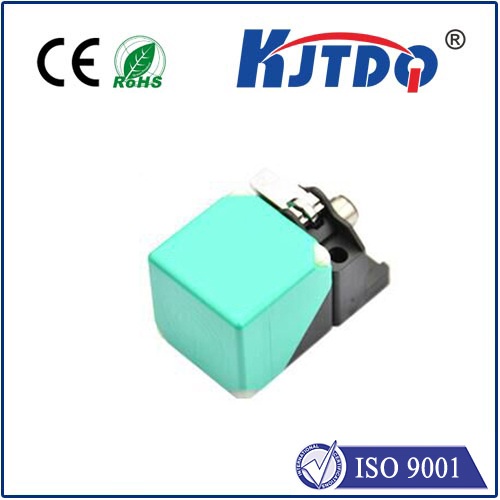
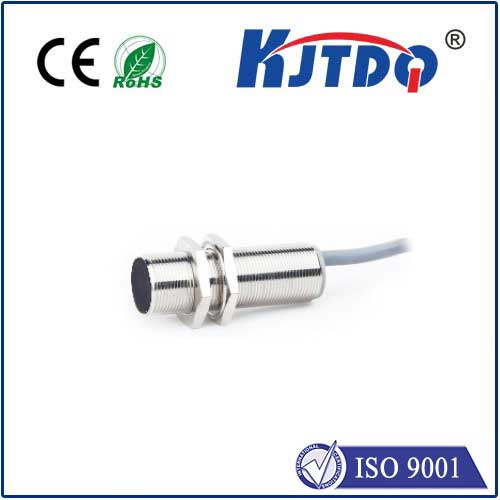
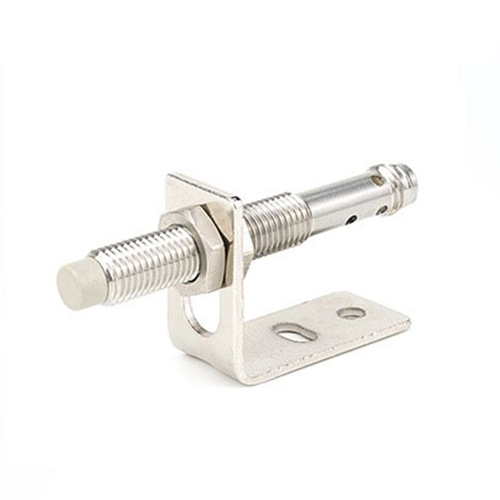
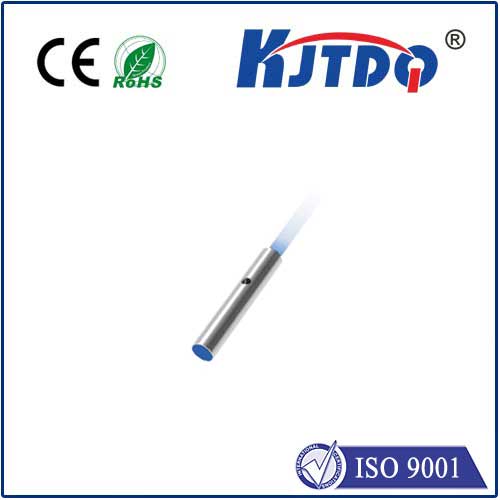
Proximity sensors are designed to detect the presence or absence of nearby objects without any physical contact. They work by emitting an electromagnetic field or a beam of radiation and looking for changes in the field or return signal. In environmental and spatial monitoring, these sensors are invaluable. They can manage lighting systems by detecting occupancy, control access to areas, and optimize space utilization in buildings. When combined with intelligent systems, they contribute significantly to energy conservation and automated operations.
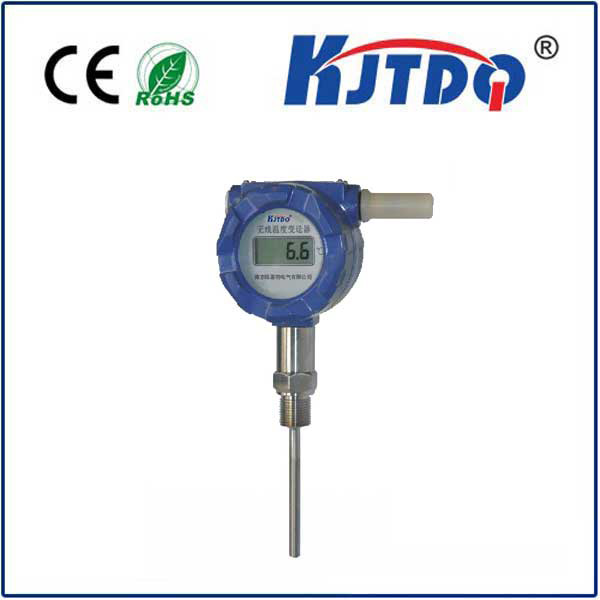
Air quality sensors, on the other hand, are dedicated to detecting and measuring various pollutants and particulate matter in the atmosphere. Key parameters include concentrations of volatile organic compounds (VOCs), carbon dioxide (CO2), particulate matter (PM2.5 and PM10), humidity, and temperature. Poor indoor air quality is linked to a range of health issues, from allergies and asthma to reduced cognitive function and productivity. Continuous monitoring allows for timely interventions, such as activating ventilation systems or air purifiers.
The true power lies in the convergence of these two functionalities. A comprehensive device that integrates both proximity sensing and multi-parameter air quality analysis provides a holistic view of an environment. For instance, in a conference room, the system can first detect the presence of people via the proximity sensor. Once occupancy is confirmed, the air quality sensors activate to monitor CO2 levels and VOC concentrations in real-time. If pollutants rise beyond a set threshold, the system can automatically trigger the HVAC system to increase fresh air intake, ensuring a healthy and comfortable environment for occupants. This synergy eliminates wasteful energy consumption by ensuring air quality management is active only when needed.
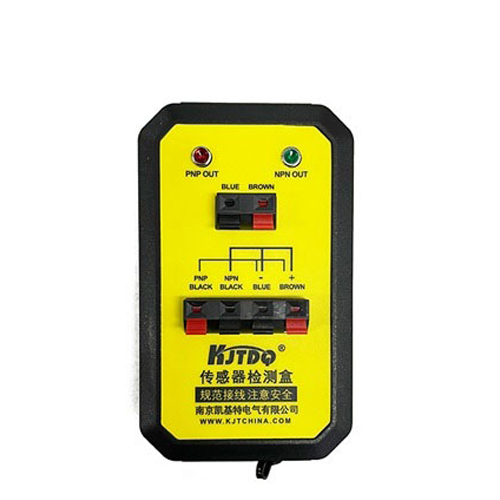
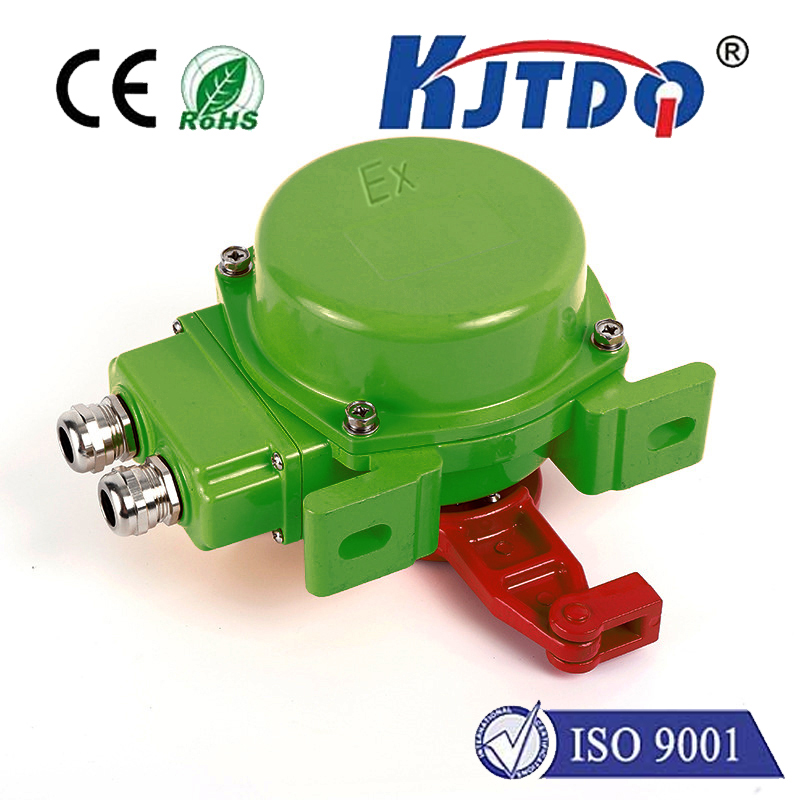
The KJTDQ series of sensors embodies this integrated approach. Engineered for high accuracy and reliability, these sensors offer a compact solution for modern environmental monitoring challenges. Their applications are vast and varied. In residential smart home ecosystems, they can automate air purification and climate control based on room occupancy and detected pollutant levels. In commercial buildings, they form the backbone of smart building management systems, enhancing occupant well-being while pursuing sustainability goals through optimized energy use. Industrial settings benefit from their ability to monitor both personnel safety zones and airborne contaminants in sensitive areas.
Deploying such technology is straightforward. Modern proximity and air quality sensors like those in the KJTDQ line are designed for easy integration into existing networks via standard communication protocols such as I2C, UART, or wireless connections like Bluetooth Low Energy (BLE) and Wi-Fi. This allows for seamless data streaming to central dashboards or mobile applications, providing users with actionable insights and historical trends. The data collected empowers facility managers, homeowners, and system integrators to make informed decisions, preempt potential air quality issues, and demonstrate compliance with health and safety regulations.
Looking ahead, the role of integrated environmental sensors will only expand. As urban areas become denser and the focus on health and sustainable living intensifies, the demand for intelligent, responsive monitoring tools will grow. Technologies like the KJTDQ proximity and air quality sensors are at the forefront, turning passive spaces into responsive environments that actively protect and enhance human health and operational efficiency. Investing in such comprehensive monitoring solutions is no longer a luxury but a fundamental step towards creating smarter, safer, and more sustainable living and working spaces for everyone.