Проверка
Проверка
Проверка
Проверка
Проверка
Проверка
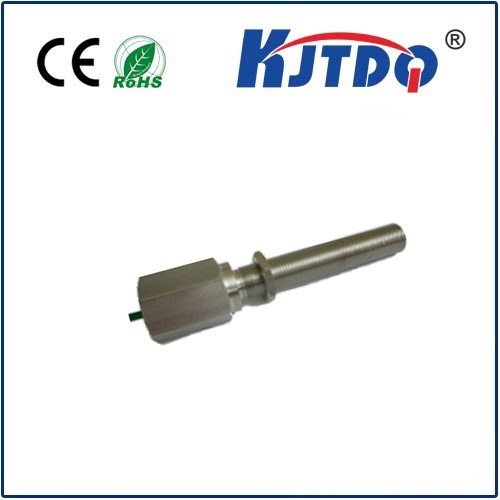
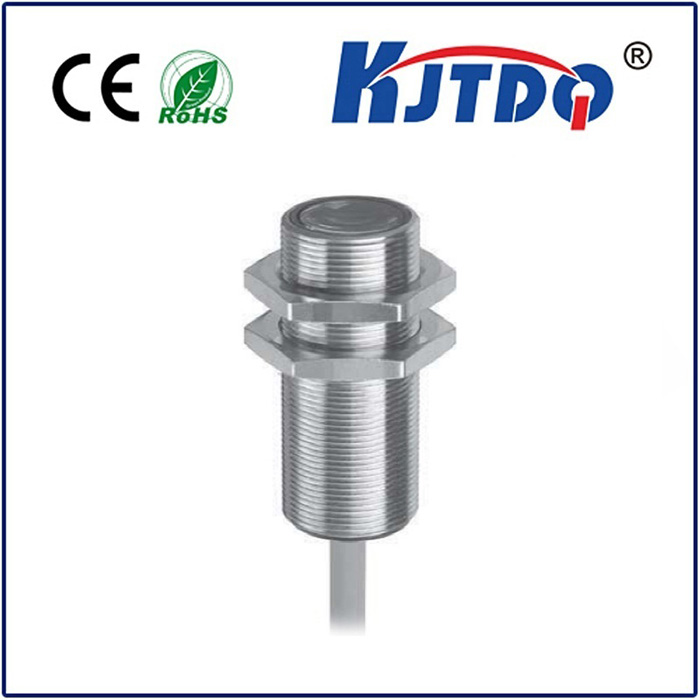
In the rapidly evolving landscape of industrial automation, the demand for reliable and precise sensing solutions is paramount. The KJTDQ LJA1M-5N1 proximity sensor stands as a testament to this pursuit of excellence, offering a robust and efficient means of non-contact object detection. This inductive sensor is engineered to deliver consistent performance in challenging environments, making it an indispensable component for modern manufacturing, packaging, and material handling systems.
The core functionality of the LJA1M-5N1 lies in its ability to detect metallic objects without physical contact. Utilizing an electromagnetic field, the sensor identifies the presence of a target, triggering a switch signal with high repeat accuracy. This non-contact operation eliminates mechanical wear and tear, significantly extending the operational lifespan of both the sensor and the machinery it serves. Its compact cylindrical design, typical of the M5 form factor, allows for easy integration into space-constrained applications, providing installation flexibility that engineers highly value.
One of the defining features of this sensor is its impressive sensing distance. The "5N1" designation often correlates with a standardized sensing range, ensuring stable detection of small metal components. This reliability is crucial for processes where precision is non-negotiable, such as in automated assembly lines where the correct positioning of parts must be verified before a robotic arm proceeds with its task. A missed detection could lead to production errors, downtime, and costly rework. The LJA1M-5N1 mitigates this risk through its stable oscillating circuit and temperature-compensated design, which maintains performance consistency despite fluctuations in ambient conditions.
Durability is another cornerstone of its design. Housed in a nickel-plated brass or stainless-steel barrel, the sensor is resistant to common industrial hazards like cutting fluids, coolants, and dust ingress. Many models feature an IP67 protection rating, meaning they are dust-tight and can withstand temporary immersion in water. This rugged construction ensures uninterrupted operation in harsh factory settings, from machine tool applications to automotive production floors. The inclusion of a LED status indicator provides immediate visual feedback on the sensor's operational state, facilitating quick diagnostics and maintenance, thereby reducing machine downtime.
The electrical characteristics of the KJTDQ LJA1M-5N1 are tailored for seamless integration into standard control systems. Typically operating on a DC voltage supply, it provides a clear digital output signal compatible with Programmable Logic Controllers (PLCs) and other industrial controllers. Its short-circuit and reverse-polarity protection features safeguard the sensor and the broader circuit from accidental wiring errors, a common concern during installation or system modifications. This user-friendly design philosophy extends the sensor's appeal to both seasoned automation engineers and technicians.
When selecting a proximity sensor for an application, factors such as the target material, required sensing distance, environmental conditions, and output type are critical. The LJA1M-5N1 is specifically optimized for ferrous metals, offering the longest sensing range for these materials. For non-ferrous metals like aluminum or copper, the effective sensing distance is reduced, which is a standard characteristic of inductive sensing technology. Understanding this specification is key to proper sensor selection and ensuring optimal system performance. Its application spectrum is broad, including use as an end-position detector in pneumatic cylinders, a counter for metal items on a conveyor, or a safety interlock to confirm a guard door is closed.
In conclusion, the integration of the KJTDQ LJA1M-5N1 proximity sensor into an automated system represents a strategic investment in reliability, precision, and longevity. Its robust construction, consistent detection capabilities, and ease of use address the core challenges faced in industrial automation. By providing a dependable signal for the presence or absence of a metal object, it forms a fundamental link in the chain of automated control, enhancing overall equipment effectiveness and supporting the drive towards smarter, more efficient manufacturing. As industries continue to embrace Industry 4.0 principles, the role of such dependable, high-performance components becomes ever more central to achieving operational excellence.