Проверка
Проверка
Проверка
Проверка
Проверка
Проверка
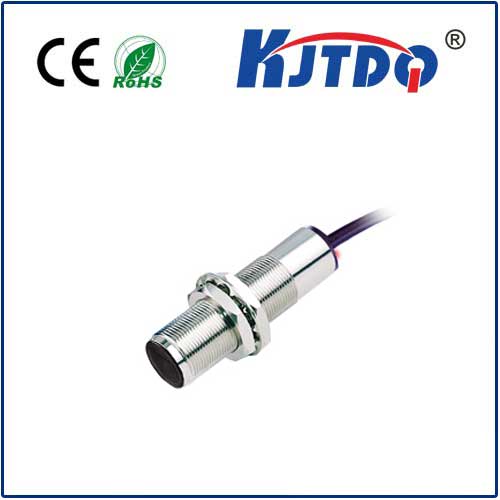
In the intricate world of industrial automation and smart device design, the demand for accurate, non-contact detection has never been higher. At the heart of this capability lies a critical component: the magnetic proximity sensor. This technology, often simply referred to as a proximity sensor magnetic, represents a cornerstone of modern sensing solutions, offering unparalleled reliability in diverse and demanding environments. Unlike optical or capacitive sensors, magnetic variants operate on a fundamentally robust principle, making them indispensable where dirt, dust, moisture, or other contaminants are present.
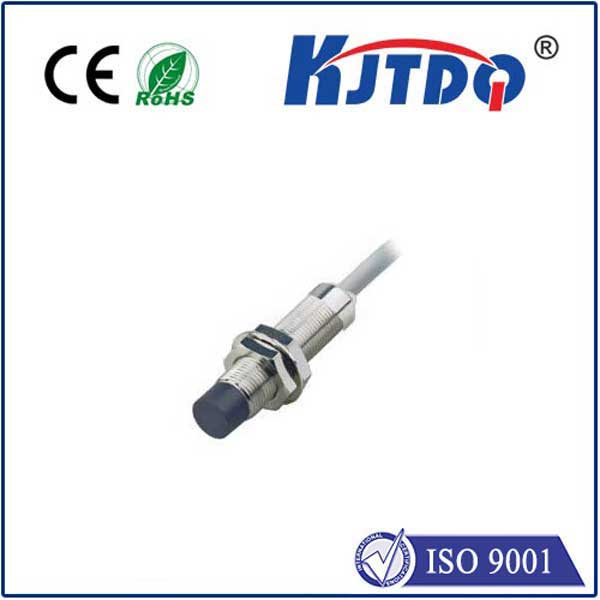
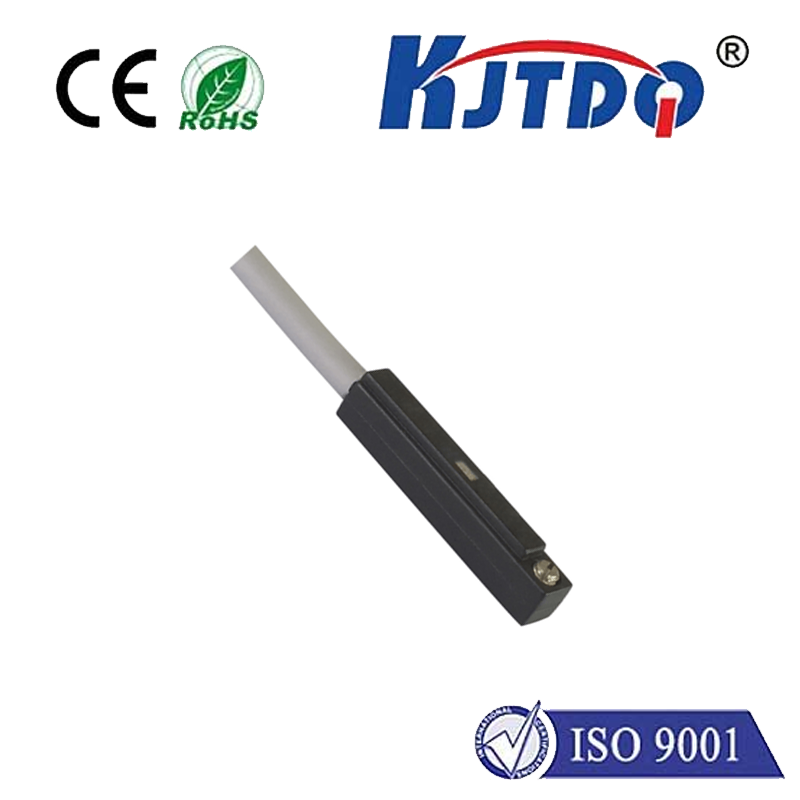
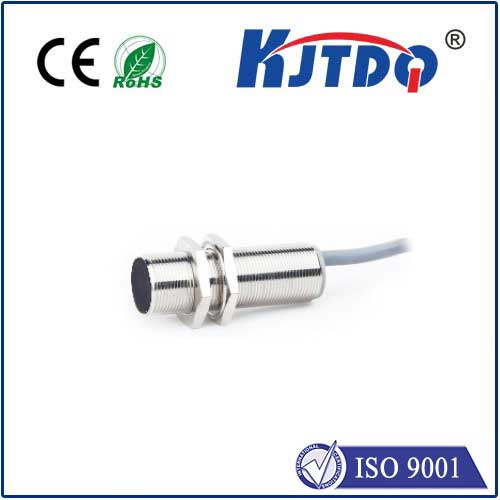
The core operating principle of a magnetic proximity sensor is elegantly simple yet profoundly effective. It consists of a sensor housing containing a reed switch or a solid-state Hall-effect chip. This internal component reacts to the presence of an external magnetic field, typically generated by a separate permanent magnet or a ferromagnetic target. When the magnet or target approaches within a specific range—the sensing distance—the magnetic field triggers the sensor to change its output state. This action can open or close a circuit, sending a clear signal to a programmable logic controller (PLC) or other control system. The key advantage is the complete lack of physical contact between the sensor and the target, eliminating mechanical wear and tear and ensuring a long operational lifespan.
The applications for magnetic proximity sensors are vast and varied, underscoring their versatility. In heavy machinery and automotive assembly lines, they are deployed for precise position sensing, such as detecting whether a cylinder is fully extended or retracted, or confirming the closure of safety guards and doors. Their inherent resistance to harsh conditions makes them perfect for use in agricultural equipment, construction vehicles, and material handling systems where exposure to mud, vibration, and temperature fluctuations is commonplace. Beyond heavy industry, these sensors play a quiet but crucial role in consumer electronics, found in laptops and tablets to detect lid closure, putting the device into sleep mode to conserve battery life.
When selecting a magnetic proximity sensor for a specific application, several technical parameters demand careful consideration. The sensing distance, often a few millimeters to several tens of millimeters, must be matched to the mechanical requirements of the installation. The type of output—whether NPN (sinking) or PNP (sourcing)—must be compatible with the control system's input card. Environmental ratings, particularly the Ingress Protection (IP) code, are critical for ensuring performance in wet or dusty locations. Furthermore, factors like switching frequency, temperature range, and housing material (often stainless steel or nickel-plated brass for durability) are essential for long-term, maintenance-free operation.
The integration of advanced magnetic sensing technology, such as anisotropic magnetoresistance (AMR) or tunnel magnetoresistance (TMR) elements, is pushing the boundaries of what these sensors can achieve. These newer technologies offer even greater sensitivity, smaller package sizes, and improved precision, enabling their use in more sophisticated applications like high-resolution rotary encoding and current sensing. This evolution ensures that the humble magnetic proximity sensor continues to be a vital enabler of Industry 4.0, the Internet of Things (IoT), and smarter, more efficient automated systems.
In conclusion, the magnetic proximity sensor stands as a testament to robust and reliable engineering. Its ability to provide consistent, contactless switching in environments that would challenge other sensing methods solidifies its position as a fundamental building block in automation. From safeguarding heavy industrial processes to enabling the sleek functionality of everyday gadgets, the proximity sensor magnetic remains a key driver of innovation, efficiency, and safety across countless sectors. As technology advances, its core principles of magnetic interaction ensure it will remain relevant, evolving to meet the ever-growing demands for precision and durability in an interconnected world.