In the dynamic world of industrial automation, where precision and reliability are non-negotiable, the banner limit switch stands as a cornerstone of control and safety. These compact yet robust devices are engineered to detect the presence or absence of an object, or to monitor its position, initiating a critical action within a machine or process. Their role is fundamental, often serving as the first line of defense in preventing equipment damage, ensuring operator safety, and maintaining seamless production flow.
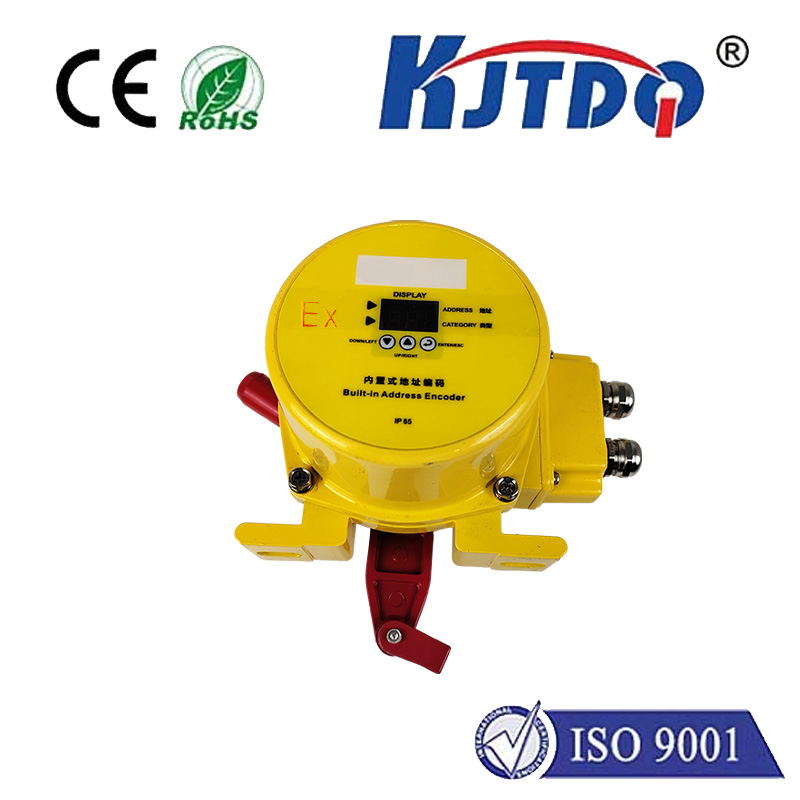
Unlike basic mechanical switches, modern banner limit switches, particularly those from industry leaders, incorporate advanced sensing technologies. While the term often broadly encompasses a range of position sensors, true limit switches are characterized by their physical actuation. A moving part, such as a plunger, lever, or roller, is physically displaced by the target object. This mechanical action opens or closes an electrical contact within the sealed housing, sending a clear, definitive signal to the machine's programmable logic controller (PLC). This direct, physical method of detection offers exceptional reliability in harsh environments where dust, moisture, vibration, or electromagnetic interference might compromise more sensitive photoelectric or proximity sensors.
The applications for banner limit switches are vast and varied. In automotive assembly lines, they verify the correct positioning of robotic arms or confirm that a chassis has reached the correct station for welding. In packaging machinery, they ensure cartons are properly seated before sealing or cutting. On material handling equipment, such as conveyor systems, they act as end-of-travel stops to prevent overrun, or as counting sensors to track product quantities. Their robust construction, often featuring metal housings and high-grade sealing (e.g., IP67 ratings), makes them ideal for demanding sectors like metalworking, wood processing, and heavy machinery.
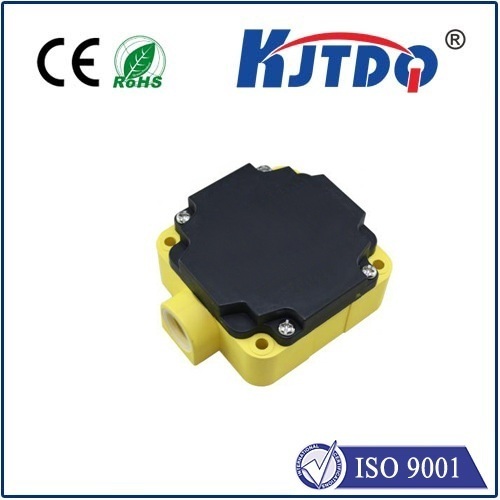
Selecting the right banner limit switch requires careful consideration of several operational parameters. The actuation force and travel distance must be compatible with the target object's movement to ensure consistent triggering without causing damage. Electrical specifications, including voltage, current rating (both AC and DC), and the contact configuration (normally open or normally closed), must align with the control circuit's requirements. Environmental factors are paramount; switches must be chosen with appropriate ingress protection for washdown areas, resistance to oils and coolants, and durability against repeated impact or shock. The physical form factor—whether compact rectangular, cylindrical, or with specific mounting brackets—must also fit the spatial constraints of the application.
The integration of a banner limit switch into a control system is typically straightforward, but its importance cannot be overstated. Proper installation involves secure mounting to prevent misalignment over time and careful adjustment of the actuator's position to guarantee accurate and repeatable operation. Regular maintenance, though minimal, involves periodic inspection for physical wear on the actuator, checking the integrity of the electrical connections, and testing the switch's function to ensure it hasn't succumbed to contact fatigue or contamination.
The evolution of these components continues. While the fundamental principle remains, enhancements in materials, sealing technologies, and internal contact design have extended their lifecycle and reliability. Some advanced models now incorporate solid-state outputs or LED status indicators for easier diagnostics, blending traditional robustness with modern convenience. For engineers and maintenance professionals, understanding the capabilities and correct application of the banner limit switch is essential. It represents a critical point where mechanical motion is translated into electrical intelligence, a simple yet vital link that empowers complex automation systems to operate with the confidence of precise, fail-safe control. In an era of smart factories and IoT, the humble limit switch remains an indispensable, reliable workhorse on the factory floor.