Проверка
Проверка
Проверка
Проверка
Проверка
Проверка
In today's rapidly evolving technological landscape, the demand for efficient, reliable, and non-contact control solutions is higher than ever. Among the key components driving this innovation is the proximity sensor switch, a device that has become indispensable in various industrial, commercial, and even residential applications. This article delves into the functionality, benefits, and diverse uses of proximity sensor switches, highlighting why they are a smart investment for enhancing automation and safety.
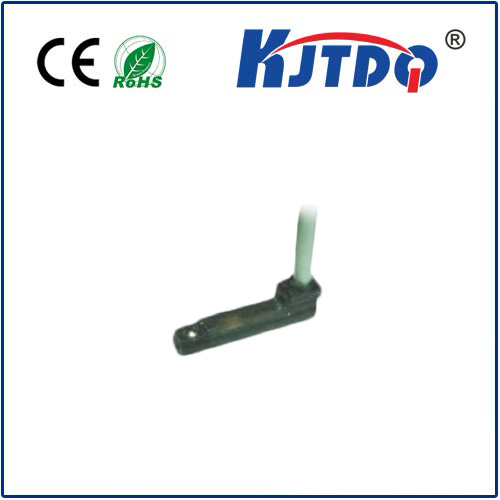
A proximity sensor switch is an electronic device designed to detect the presence or absence of an object within a specific range without any physical contact. It operates by emitting an electromagnetic field or a beam of electromagnetic radiation, such as infrared light, and then monitoring for changes in the field or return signal. When an object enters the detection zone, the sensor triggers a switch response, which can be used to control machinery, activate alarms, or initiate other automated processes. This non-contact nature eliminates wear and tear associated with mechanical switches, leading to longer lifespan and reduced maintenance costs.
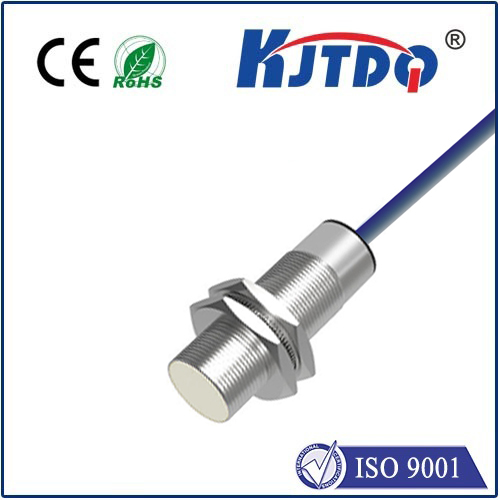
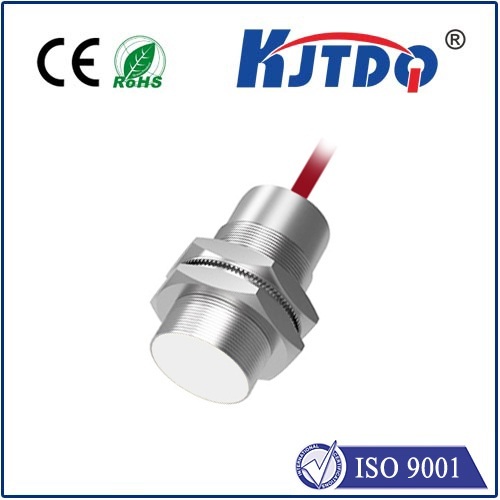
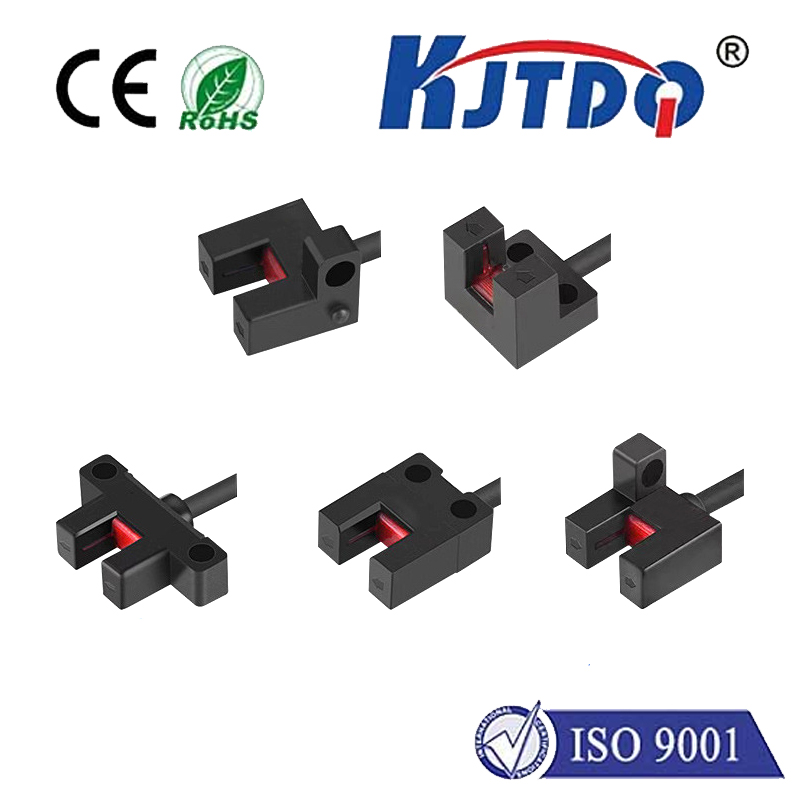
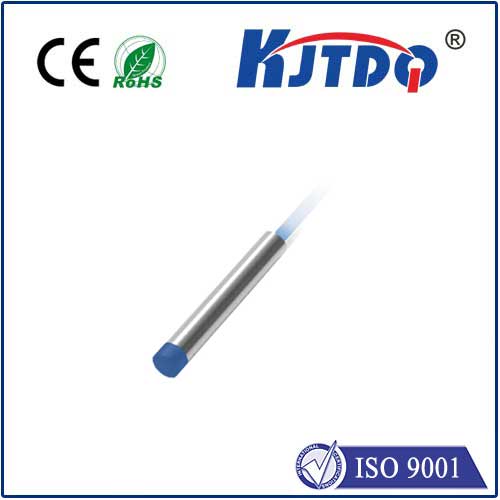
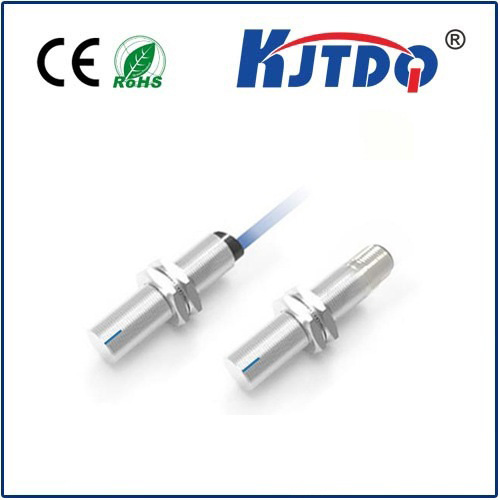
There are several types of proximity sensor switches, each suited for different environments and materials. Inductive proximity sensors are ideal for detecting metallic objects and are commonly used in manufacturing settings for tasks like part counting or position sensing. Capacitive proximity sensors can detect both metallic and non-metallic materials, including liquids and plastics, making them versatile for packaging, food processing, and level detection applications. Ultrasonic proximity sensors use sound waves to measure distance and are effective in harsh conditions where dust, moisture, or temperature variations might interfere with other sensor types. Photoelectric proximity sensors rely on light beams and are excellent for long-range detection and transparent object sensing.
The advantages of integrating proximity sensor switches into systems are manifold. Firstly, they enhance safety by enabling touchless operation, which minimizes the risk of accidents in hazardous areas or around moving machinery. For instance, in automotive assembly lines, these sensors can ensure that robots only activate when components are correctly positioned, protecting workers from potential injuries. Secondly, they boost efficiency and productivity by allowing for faster and more precise detection compared to manual or mechanical methods. This leads to smoother automation cycles, reduced downtime, and improved quality control. In logistics, proximity sensor switches facilitate automated sorting and inventory management, streamlining supply chain operations.
Moreover, proximity sensor switches contribute to energy savings and sustainability. By ensuring that equipment operates only when needed—such as turning off lights when a room is empty or activating conveyor belts solely when items are present—they help reduce unnecessary power consumption. This aligns with global efforts toward greener technologies and cost-effective resource management. In smart homes, these sensors are integral to systems like automatic door openers, touchless faucets, and security alarms, offering convenience while promoting energy conservation.
When selecting a proximity sensor switch, factors such as detection range, material compatibility, environmental conditions, and output type (e.g., digital or analog) should be considered. Proper installation and calibration are crucial to maximize performance and avoid false triggers. Regular maintenance, though minimal, involves checking for sensor contamination or alignment issues to ensure consistent reliability.
In conclusion, the proximity sensor switch is a cornerstone of modern automation, offering a blend of durability, precision, and versatility. Its ability to operate without physical contact makes it a superior choice for applications ranging from industrial manufacturing to everyday smart devices. As technology continues to advance, the role of proximity sensor switches in driving innovation and safety will only grow, solidifying their status as a vital component in the toolkit of engineers and designers worldwide. By embracing these intelligent sensors, businesses and individuals can achieve higher levels of efficiency, protection, and sustainability in an increasingly automated world.