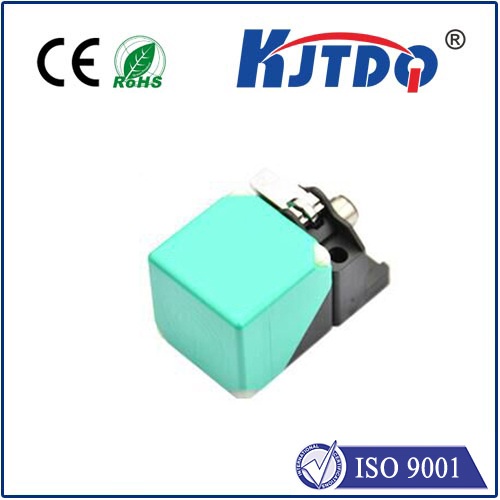
Проверка
Проверка
Проверка
Проверка
Проверка
Проверка
In the rapidly evolving landscape of the Internet of Things (IoT), the integration of proximity sensors with LoRa (Long Range) wireless communication technology is creating a paradigm shift in remote monitoring and asset management. This powerful combination, often referred to as Proximity Sensor LoRa, addresses critical challenges in industries where reliable, long-range, and low-power data transmission from detection points is paramount. Unlike traditional sensor systems reliant on short-range protocols like Bluetooth or power-intensive cellular networks, Proximity Sensor LoRa solutions offer a unique blend of precision detection and expansive connectivity.
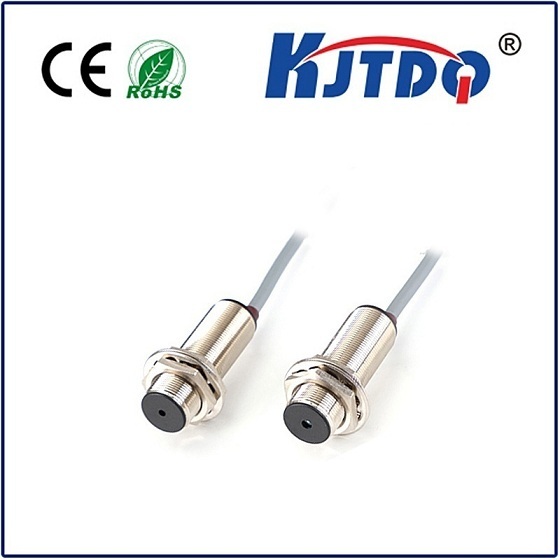
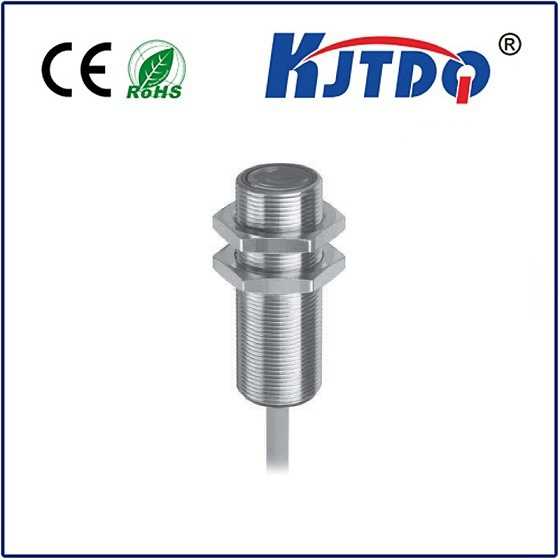
A proximity sensor is a device that detects the presence or absence of a nearby object without physical contact, typically using electromagnetic fields, infrared light, or sound waves. When this capability is fused with LoRa technology—a modulation technique for wireless LANs known for its exceptional range and minimal power consumption—the applications become virtually limitless. The core advantage lies in LoRa's ability to transmit small packets of data, such as a simple "object detected" or "object absent" signal, over distances of several kilometers in rural areas or through dense urban environments, all while operating on a small battery for years.
The operational principle is elegantly efficient. A Proximity Sensor LoRa node is deployed at a strategic location—be it on a piece of machinery, a storage container, a gate, or a vehicle. This compact unit continuously monitors its immediate environment. Upon detecting a predefined event, such as the approach of an object, a door opening, or equipment movement, the sensor activates. It then packages this detection data into a minimal payload and transmits it via LoRa radio waves to a central LoRaWAN gateway. This gateway aggregates data from hundreds or thousands of such sensors and forwards it to a cloud-based application server. Here, the data is processed, visualized, and can trigger automated alerts or actions, providing real-time visibility into remote operations.
The practical applications of Proximity Sensor LoRa technology are transforming multiple sectors. In industrial manufacturing and logistics, these sensors enable smart inventory management by monitoring the presence of pallets or goods on shelves, automating stock-level alerts. They enhance security by detecting unauthorized access to restricted zones or equipment tampering in remote substations or construction sites. In agriculture, they can monitor the status of gates, equipment movement, or the presence of livestock over vast farmlands. For smart cities, they facilitate smart parking solutions by detecting vehicle presence in individual parking spots, with data transmitted efficiently across the city's LoRa network.
The benefits driving adoption are compelling. The most significant is the dramatic extension of range, enabling monitoring across campuses, factories, farms, and cities without the need for dense network infrastructure. Coupled with this is outstanding energy efficiency; sensors can operate for 5-10 years on a single battery charge, drastically reducing maintenance costs. The LoRaWAN protocol also offers robust network security with end-to-end encryption, ensuring the integrity of detection data. Furthermore, the architecture supports massive scalability, allowing organizations to deploy thousands of sensors on a single network with minimal interference.
Implementing a Proximity Sensor LoRa system requires careful consideration. Key factors include selecting the appropriate type of proximity sensor (inductive, capacitive, ultrasonic) for the target object and environment, defining the optimal data transmission interval to balance battery life with information freshness, and ensuring proper gateway placement for complete network coverage. Integration with existing enterprise software platforms, such as ERP or asset management systems, is crucial for maximizing the value of the generated data.
As we look to the future, the convergence of Proximity Sensor LoRa with edge computing and advanced analytics will unlock even greater potential. Sensors will not only report detection events but also process contextual data locally, sending only high-value insights. This evolution will lead to more predictive and autonomous monitoring systems. For any organization seeking to gain operational visibility, enhance security, and optimize resource management across distributed assets, Proximity Sensor LoRa technology stands out as a proven, cost-effective, and future-ready wireless solution, turning remote detection into actionable intelligence.