Проверка
Проверка
Проверка
Проверка
Проверка
Проверка
In modern industrial environments, the demand for reliable, robust sensing solutions is paramount. Among the various technologies available, the 120 volt proximity sensor stands out as a critical component for automation, safety, and process control. Operating on a standard industrial voltage, these sensors offer distinct advantages in terms of signal integrity, noise immunity, and compatibility with existing control systems, making them a preferred choice for engineers and system integrators.
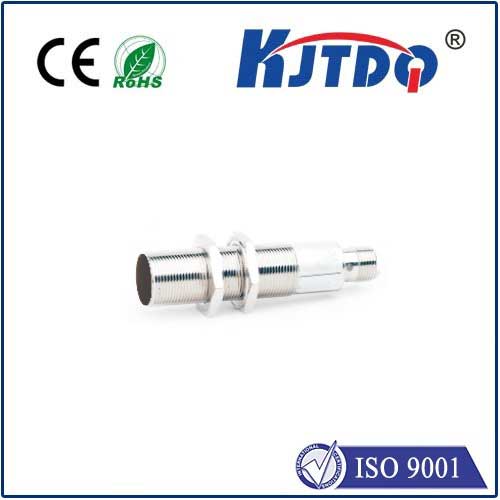
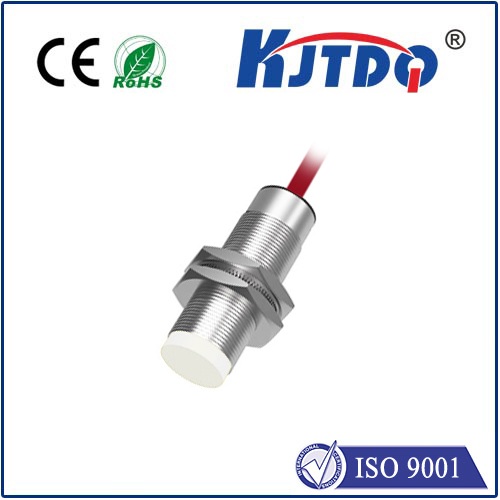
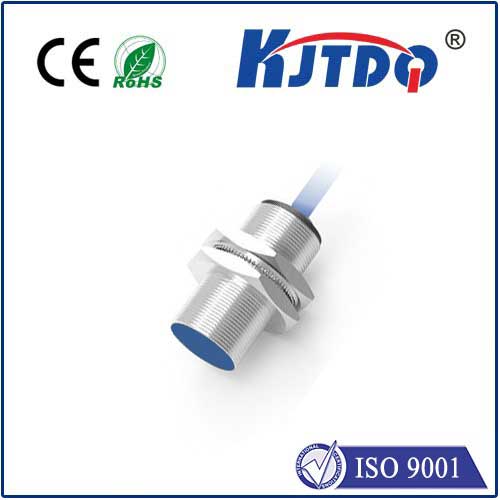
A 120V AC proximity sensor is a non-contact device designed to detect the presence or absence of metallic objects without any physical contact. It functions by generating an electromagnetic field. When a metal target enters this field, it induces eddy currents, causing a change in the sensor's oscillation amplitude. This change is detected by the internal circuitry, which then switches the output state. The 120-volt operating voltage is particularly significant. In many industrial settings, especially in North America, 120V AC is a common control voltage for relays, contactors, and programmable logic controller (PLC) input modules. Using a sensor with this native voltage eliminates the need for additional step-down transformers or separate power supplies for the sensing loop, simplifying cabinet design, reducing component count, and lowering overall system cost and complexity.
The benefits of integrating 120 volt proximity sensors into an automation system are substantial. First and foremost is enhanced reliability. The higher voltage signal is less susceptible to electrical noise commonly generated by large motors, variable frequency drives, and welding equipment prevalent in factories. This results in fewer false triggers and more stable operation, directly contributing to increased machine uptime and productivity. Secondly, they offer excellent sensing ranges for their size. Depending on the model and target material, these sensors can detect objects from a few millimeters up to several tens of millimeters away, allowing for flexible mounting and design. Durability is another key factor. Housed in robust metallic or high-grade polymer bodies, they are built to withstand harsh conditions, including exposure to coolant, oil, metal chips, and significant vibration. Many models feature IP67 or higher ingress protection ratings, making them suitable for washdown environments in food and beverage or pharmaceutical applications.
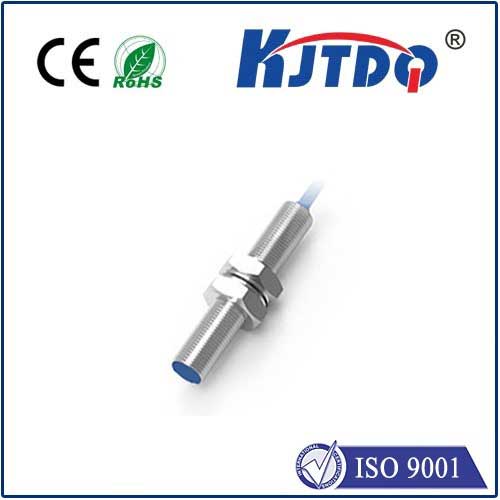
When selecting a 120V proximity sensor, several technical specifications require careful consideration. The sensing distance, or nominal range, must be chosen based on the application to ensure consistent detection while allowing for mechanical tolerances. The choice between shielded (flush-mountable) and unshielded (non-flush mountable) types is crucial. Shielded sensors can be mounted flush in metal without affecting their sensing field, ideal for space-constrained installations. Unshielded sensors offer a longer sensing range but require a clear zone around the sensing face. Output configuration is also vital. Most 120V AC sensors provide a relay or solid-state output, typically Normally Open (NO) or Normally Closed (NC), to interface directly with the control system. The housing material, thread size (like M8, M12, M18, or M30), and connection type (pre-wired cable or quick-disconnect) should match the mechanical and environmental requirements of the installation site.
Practical applications for these sensors are vast and varied across industries. In automotive manufacturing, they are used to verify the presence of parts on assembly lines, confirm robot end-of-arm tooling positions, and monitor pallet locations in conveyor systems. In material handling, they detect the position of packages, control gate operations, and ensure proper stacking in automated storage and retrieval systems. Machine tool builders rely on them for tool breakage detection, spindle positioning, and workpiece clamping verification. Their robust nature also makes them ideal for heavy industries like steel mills and mining, where they monitor equipment position and material flow under extreme conditions.
Proper installation and maintenance are straightforward but essential for optimal performance. Sensors should be mounted securely to minimize vibration-induced failure. It is critical to ensure that only the specified target material passes within the sensing field to avoid accidental actuation. For AC sensors, paying attention to the minimum load current is important; some models require a minimum current flow through the output to remain stable, which may necessitate a dummy load if the connected PLC input has very high impedance. Regular cleaning of the sensing face to remove debris, oil, or metallic dust will maintain the rated sensing distance and prevent malfunctions.
In conclusion, the 120 volt proximity sensor is more than just a simple switch; it is a fundamental pillar of industrial automation. Its direct compatibility with common control voltages, combined with superior noise immunity, rugged construction, and reliable non-contact operation, makes it an indispensable tool for improving operational safety, maximizing efficiency, and ensuring consistent product quality. As industries continue to advance towards smarter and more connected systems, the role of these dependable sensors remains firmly entrenched, providing the essential data points that drive automated processes forward. For any operation seeking to enhance its control and monitoring capabilities, evaluating the implementation of 120V AC proximity sensors is a step toward greater reliability and productivity.