In the world of industrial automation and machinery, precision and reliability are non-negotiable. Among the myriad of components that ensure seamless operation, the NPN NO 8 proximity sensor stands out as a fundamental workhorse. This guide delves deep into the specifics of this sensor type, explaining its operation, key applications, and why it remains a top choice for engineers and system integrators worldwide.
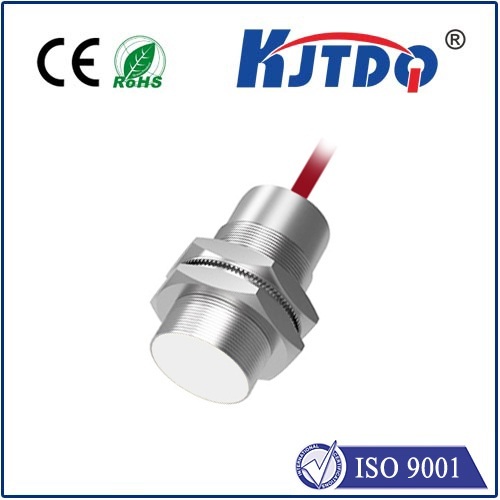
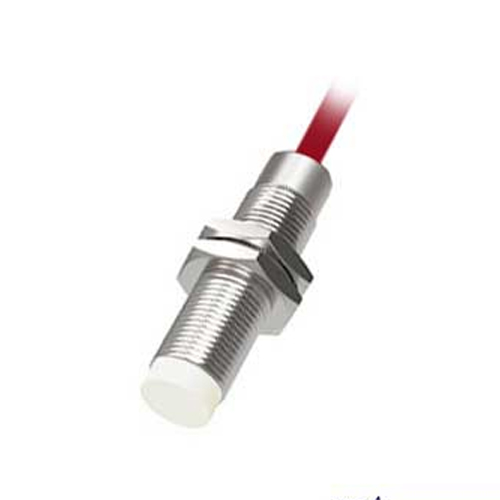
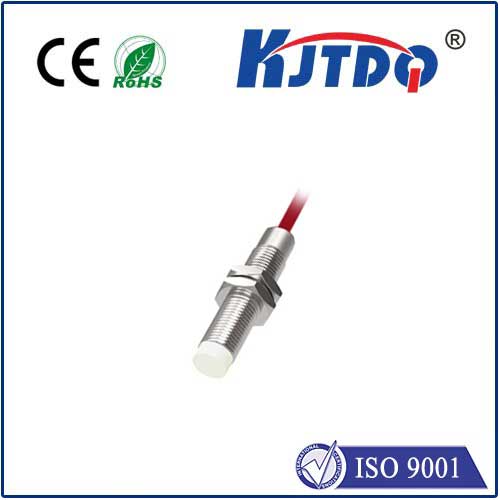
First, let's decode the terminology. "NPN" refers to the type of transistor output the sensor uses. In an NPN configuration, the sensor acts as a switching device that sinks current to the common ground (0V) when activated. This is a crucial distinction from PNP sensors and is often preferred in certain regional markets and PLC (Programmable Logic Controller) input card configurations. "NO" stands for Normally Open. This means that in its default, non-activated state, the sensor's output circuit is open, and no signal is sent. Only when a target object enters its detection range does the circuit close, allowing current to flow and signaling the presence of the object. The "8" typically denotes the sensor's diameter in millimeters, indicating a compact, cylindrical form factor ideal for installations with space constraints.
The core technology behind an 8mm NPN NO proximity sensor is usually inductive sensing. It generates an electromagnetic field from its sensing face. When a metallic object (typically ferrous metals like steel or iron, though some models detect non-ferrous metals) enters this field, it causes eddy currents within the object. The sensor detects this change in the oscillation amplitude of the field and triggers its solid-state NPN transistor switch. The NO configuration ensures a clear, definitive signal: no object equals no output; detected object equals active output. This binary simplicity is perfect for counting, positioning, and limit-switching applications.
Why choose an NPN NO 8mm sensor? The advantages are clear. Its compact 8mm diameter allows for installation in tight spaces where larger sensors cannot fit. The NPN sinking output is commonly compatible with a wide range of control systems, particularly those where the PLC input common is connected to positive voltage. The Normally Open logic is intuitive for safety and sequencing applications; for instance, a machine sequence might only proceed once the sensor confirms a part is in place. Furthermore, these sensors are renowned for their durability. With no moving parts to wear out and robust housing materials (often nickel-plated brass or stainless steel), they offer exceptional resistance to vibration, moisture, and industrial contaminants, ensuring long-term reliability with minimal maintenance.
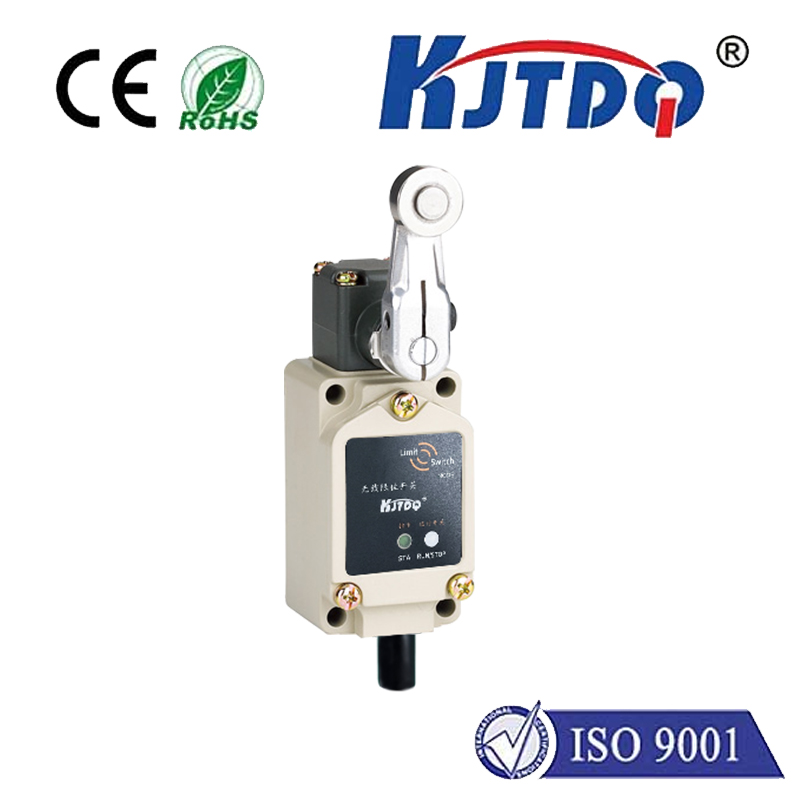
Practical applications for the KJTDQ NPN NO 8 proximity sensor are vast across manufacturing and processing. On automated assembly lines, they precisely detect the presence of metal components, triggering robotic arms for pick-and-place operations. They serve as end-of-travel limit switches on CNC machines and linear actuators, providing accurate positional feedback. In packaging machinery, they count metal cans or foil lids. Within automotive manufacturing, these sensors monitor the position of pistons, gears, and other critical metal parts. Their non-contact nature eliminates mechanical wear on both the sensor and the target, a significant advantage over traditional mechanical limit switches.
Selecting and installing the right sensor requires attention to detail. Key specifications to verify include the sensing distance. For a standard 8mm inductive sensor, this is often up to 2mm, but it's critical to consult the datasheet. Always account for a reduction factor when detecting non-ferrous metals like aluminum or copper. The operating voltage range, typically 10-30V DC for these models, must match your control system. During installation, ensure the sensor is securely mounted and that the target approaches the sensing face correctly. Remember to leave a small margin between the rated sensing distance and the actual target path to accommodate for temperature drift and part tolerances. Proper shielding and cable management are also essential to prevent electrical interference from motors or frequency drives.
In conclusion, the NPN NO 8 proximity sensor is a testament to elegant, effective engineering. Its simple principle of operation—using an electromagnetic field to detect metal without physical contact—belies its critical role in enabling modern automation. The combination of a compact 8mm body, reliable NPN sinking output, and Normally Open logic provides a versatile and robust solution for countless detection tasks. For system designers seeking dependable performance in counting, positioning, or safety interlocking, understanding and utilizing this sensor type is a fundamental step toward building efficient, fault-resistant automated systems. Its enduring popularity is a direct result of its proven performance in the demanding environments of factories and plants around the globe.