Проверка
Проверка
Проверка
Проверка
Проверка
Проверка
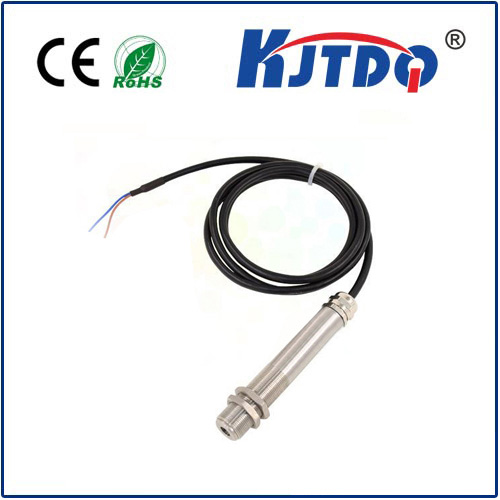
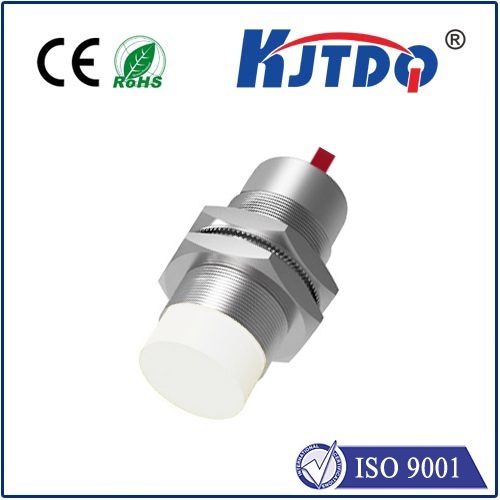
In the realm of modern building management and vertical transportation, the seamless and secure movement of people and goods is paramount. At the heart of this operational excellence lies a critical, yet often overlooked component: the proximity sensor. Specifically engineered for elevator systems, this technology represents a significant leap forward in safety, energy conservation, and user experience. Unlike traditional mechanical or optical sensors, proximity sensors in elevators operate by detecting the presence or absence of an object within a specific field without any physical contact.
The fundamental principle behind a proximity sensor elevator system is electromagnetic. Typically, these sensors emit an electromagnetic field or a beam of electromagnetic radiation, often infrared light. When an object, such as a passenger, a piece of luggage, or even a pet, enters this predefined field, it causes a detectable change in the sensor's signal. This change is instantly processed by the elevator's control unit, triggering a precise response. The most common and crucial application is in the elevator door system. Sensors are strategically placed on the leading edges of the elevator car doors and the hoistway doors. As the doors close, the sensor continuously scans the threshold. If an obstruction is detected mid-travel, the control system immediately halts the closing motion and reopens the doors, preventing potential injury or damage. This non-contact method is far more reliable and durable than older mechanical safety edges, which require physical pressure to activate.
Beyond basic safety, the integration of advanced proximity sensors contributes substantially to operational efficiency and intelligence. Modern systems can differentiate between brief, passing interruptions and sustained obstructions, optimizing door cycle times and reducing unnecessary delays. In high-traffic buildings, this subtle intelligence translates to improved handling capacity and reduced passenger wait times. Furthermore, these sensors play a vital role in energy management. By accurately detecting the presence of passengers within the car, the system can manage lighting and ventilation more effectively, powering down non-essential functions when the elevator is unoccupied, thereby contributing to the building's overall sustainability goals.
The benefits extend to maintenance and longevity as well. With no moving parts involved in the detection process, proximity sensors are less prone to wear and tear compared to their mechanical counterparts. This results in lower long-term maintenance costs, fewer service interruptions, and increased system reliability. For facility managers, this means predictable upkeep schedules and enhanced uptime for the vertical transportation system, a critical factor in commercial and residential complexes alike.
When selecting or evaluating an elevator system, understanding the type and capability of its sensor technology is crucial. High-quality proximity sensor elevator solutions, often denoted by technical identifiers like KJTDQ which may refer to specific model series or performance standards, offer enhanced sensitivity and adjustable detection ranges. This allows for customization based on the elevator's specific installation environment, whether it's a bustling hospital, a quiet residential building, or an industrial freight lift. The robustness of these sensors against environmental factors such as dust, moisture, or temperature variations is also a key consideration for ensuring consistent performance in diverse conditions.
In conclusion, the evolution from simple mechanical switches to sophisticated non-contact proximity sensors has fundamentally transformed elevator functionality. It is a clear example of how embedded smart technology elevates a basic utility into an intelligent, responsive, and safer system. The continuous refinement of these sensors, focusing on precision, adaptability, and integration with building management systems, sets the standard for the future of vertical mobility. For architects, developers, and building owners, prioritizing such advanced safety and efficiency features is not just an operational decision but a commitment to occupant well-being and modern infrastructural excellence.