In the fast-paced world of industrial automation, precision and reliability are non-negotiable. At the heart of countless manufacturing, packaging, and assembly lines, a critical component works silently to ensure seamless operation: the proximity sensor switch. Among the leaders in this field, Koyo proximity sensor switches have carved out a reputation for exceptional durability, accuracy, and innovation. This guide delves into what makes these sensors a preferred choice for engineers and system integrators worldwide, exploring their technology, applications, and key benefits without relying on vague promises or overly technical jargon.
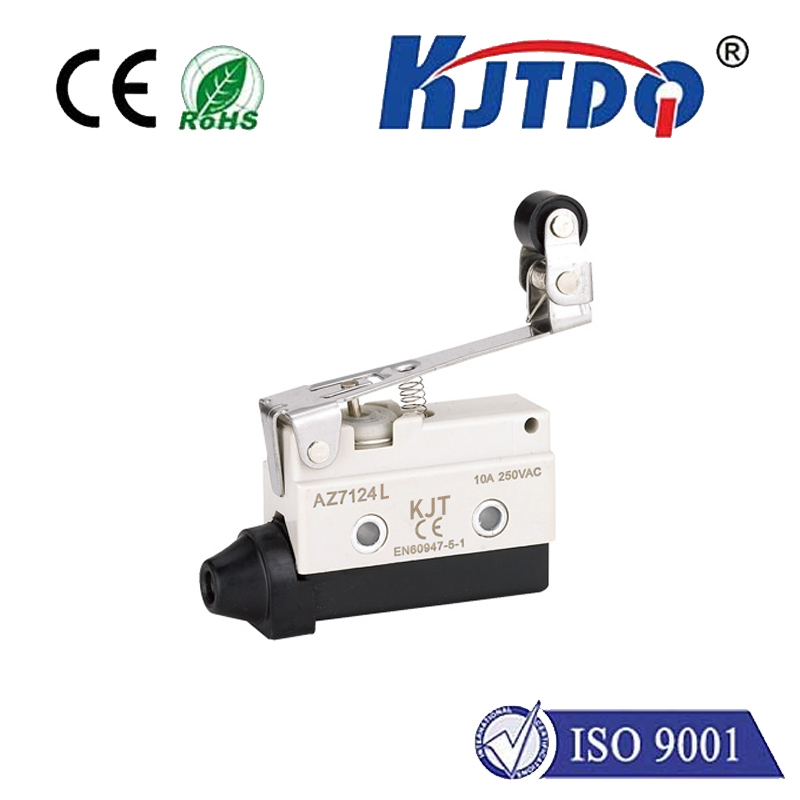
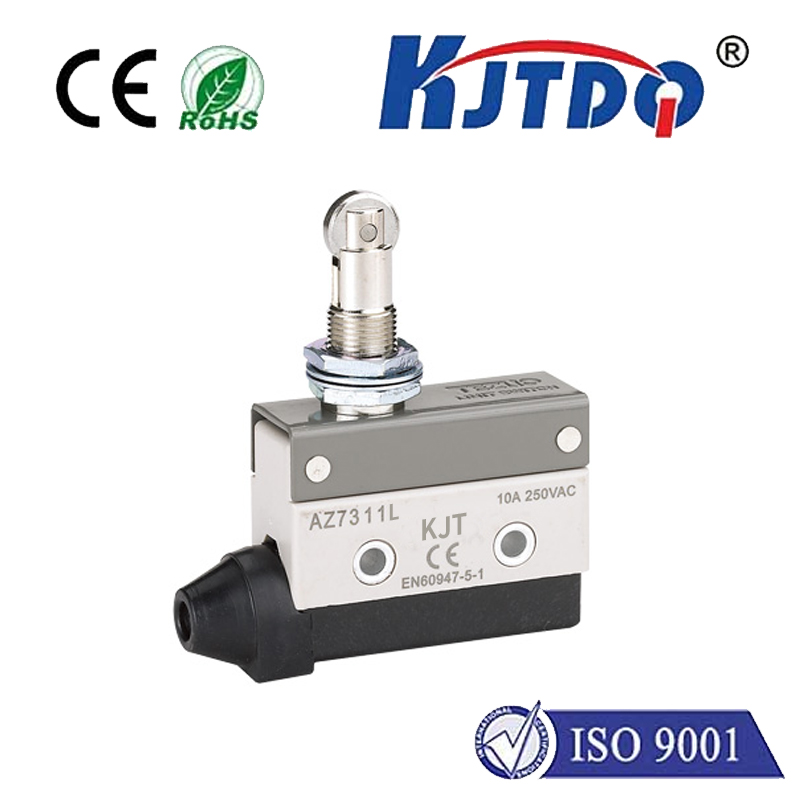
Proximity sensors are fundamentally about detection without physical contact. They identify the presence or absence of an object—be it metal, plastic, or another material—through an electromagnetic field or beam. Koyo, a brand synonymous with quality in industrial components, has refined this technology to address real-world challenges. Their sensor switches are designed to perform consistently in environments plagued by dust, moisture, vibration, and extreme temperatures. Unlike mechanical switches that wear out from repeated contact, Koyo's non-contact design translates to virtually limitless operational life and minimal maintenance, reducing downtime and total cost of ownership.
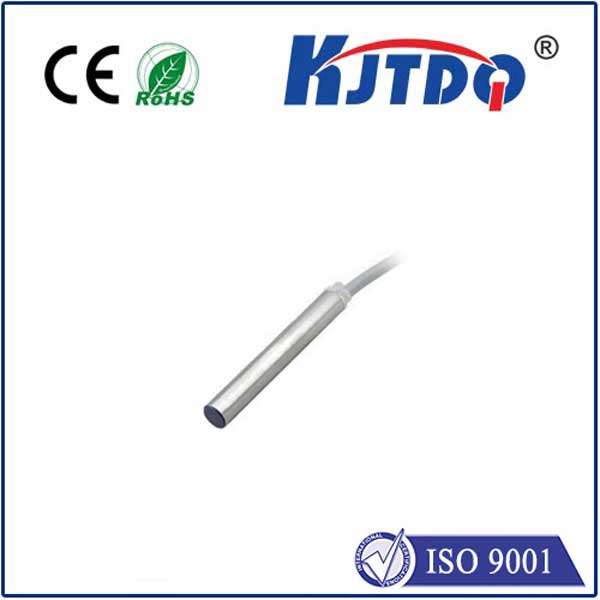
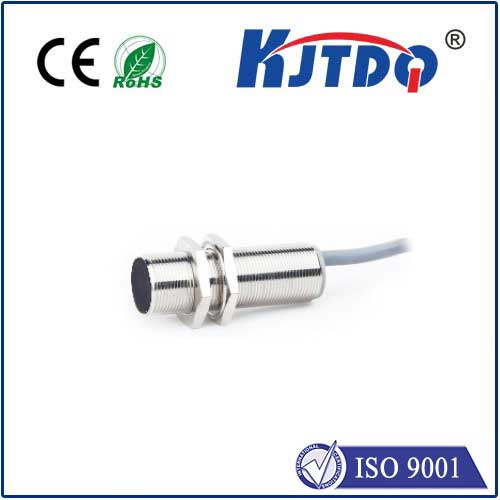
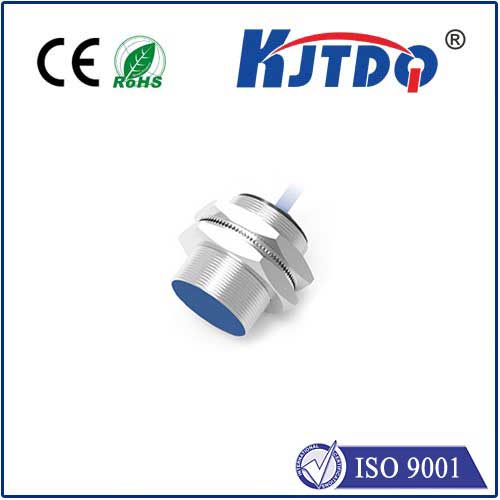
One of the standout features of Koyo proximity sensor switches is their versatility. They come in various types, primarily inductive and capacitive models. Inductive sensors are ideal for detecting metallic objects. They generate an oscillating electromagnetic field; when a metal object enters this field, it causes a change that the sensor detects, triggering a switch signal. Koyo's inductive sensors are renowned for their long sensing distances and high noise immunity, making them perfect for metal machining, robotic arms, and conveyor systems.
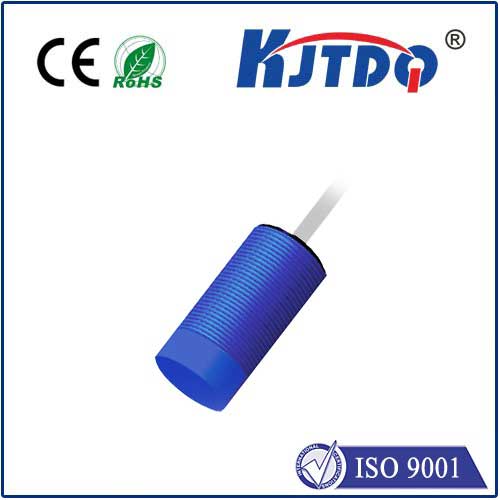
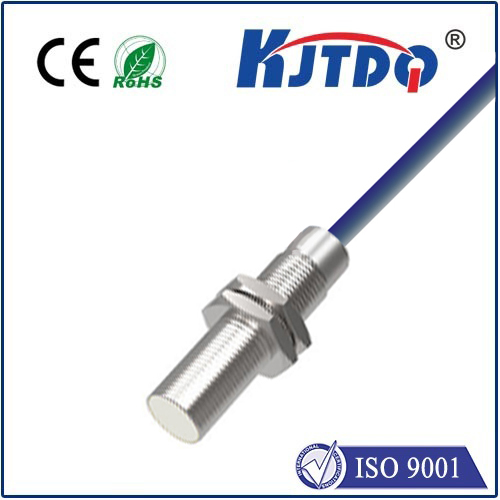
Capacitive sensors, on the other hand, can detect both metallic and non-metallic materials, including liquids, plastics, and wood. They work by measuring changes in capacitance. Koyo's capacitive proximity switches are often used in level detection for tanks, material handling for packaging, and presence sensing in food processing where diverse materials are present. This adaptability allows a single brand, Koyo, to provide solutions for a vast array of industrial puzzles.
Beyond type, the engineering behind Koyo sensors focuses on resilience. Many models boast robust housings made from materials like nickel-plated brass or stainless steel, offering high resistance to corrosion and physical impact. Their electrical designs often include built-in protection against short-circuits, reverse polarity, and voltage spikes—common culprits of sensor failure in industrial settings. This robustness ensures that a production line keeps moving even when conditions are less than ideal.
Integration is another area where Koyo excels. Their proximity sensor switches are designed with the user in mind. Many feature LED status indicators for easy diagnostics, saving valuable time during installation and troubleshooting. Wiring is typically straightforward, with both cable and connector versions available to suit different cabinet layouts. Furthermore, Koyo offers a range of sizes and form factors, from miniature sensors for tight spaces to larger models for heavy-duty applications, ensuring there is a fit for virtually any mechanical design.
The practical applications of Koyo proximity sensor switches are extensive. In automotive manufacturing, they precisely position components for welding or assembly. In packaging machinery, they count products on a line or ensure caps are correctly placed on bottles. In the realm of material handling, they control the positioning of pallets and goods. Their reliability is crucial in these scenarios, as a single sensor failure can halt an entire process, leading to significant financial loss. By choosing a trusted brand like Koyo, facilities managers and engineers invest in predictability and smooth operation.
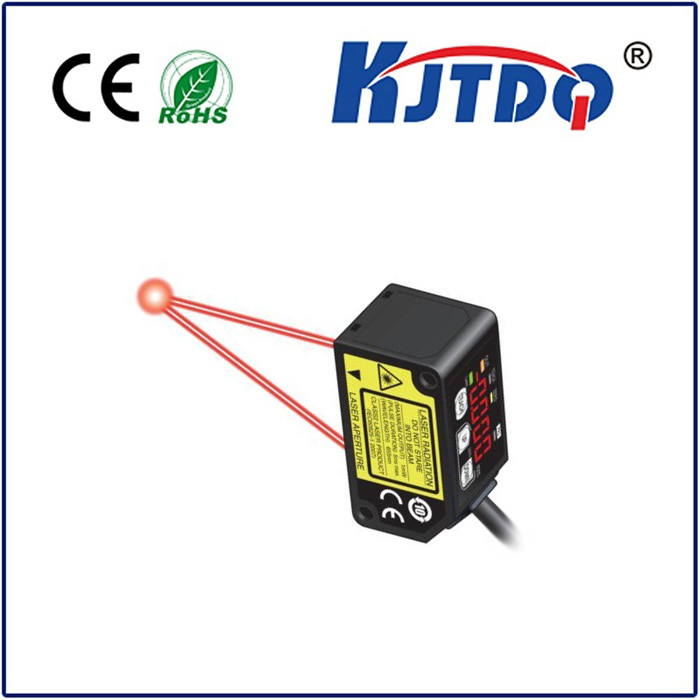
When selecting a proximity sensor switch, several factors come into play: the material of the target object, the required sensing distance, the environmental conditions, and the output type needed (e.g., NPN or PNP). Koyo’s extensive catalog provides clear specifications and data sheets, empowering buyers to make informed decisions. It is always recommended to consult with a technical specialist or distributor to match the exact sensor model to the application's demands, ensuring optimal performance.
In conclusion, Koyo proximity sensor switches represent more than just a component; they are a foundational element for modern industrial efficiency. Their blend of advanced sensing technology, rugged construction, and user-friendly design addresses the core needs of automation: to sense accurately, last long, and integrate easily. For industries striving to enhance productivity and reduce operational hiccups, incorporating reliable sensors is a strategic move. Koyo’s proven track record in the field makes its proximity sensor switches a smart, dependable choice for building resilient and intelligent automated systems.