Проверка
Проверка
Проверка
Проверка
Проверка
Проверка
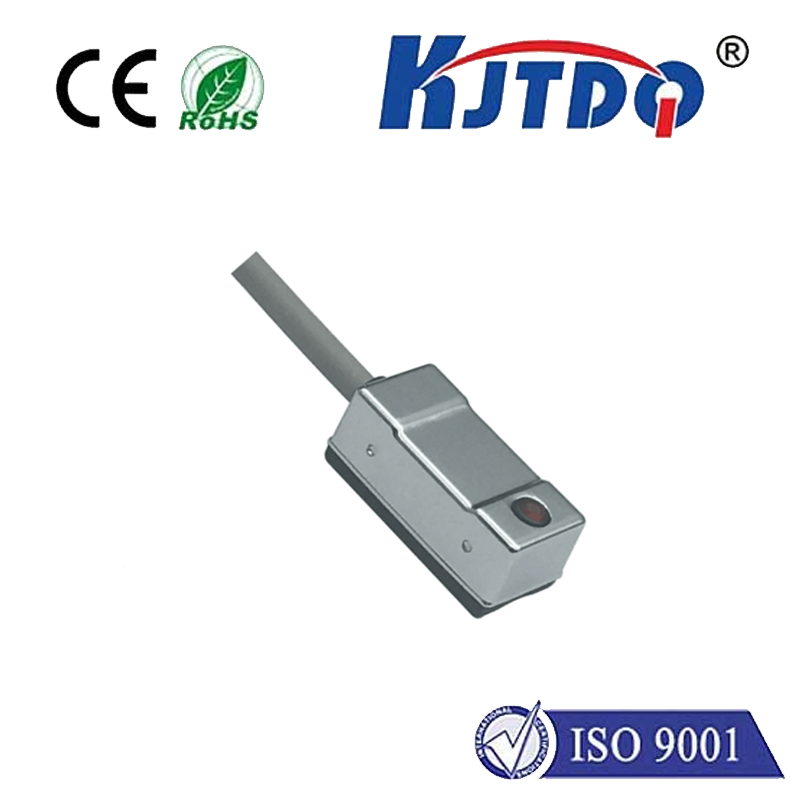
In the intricate world of industrial automation and smart device design, space is often at a premium, yet the demand for reliable, precise sensing never diminishes. This is where the analog miniature proximity sensor steps into the spotlight, not merely as a smaller component, but as a sophisticated solution that delivers critical data in the tightest of spaces. Unlike its digital counterparts that provide a simple on/off signal, the analog variant offers a continuous output signal—typically a voltage or current—that is proportional to the distance of the target object. This nuanced feedback is the cornerstone of applications requiring granular control and measurement.
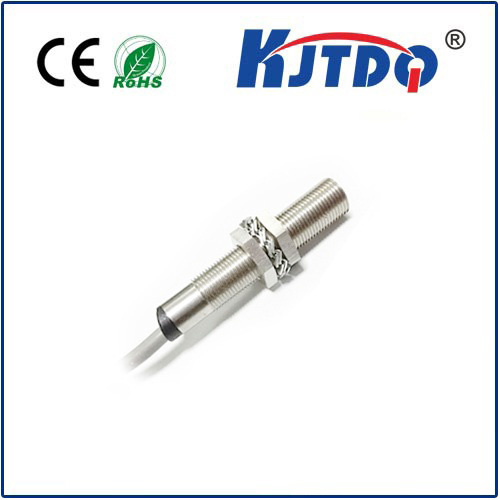
The core technology behind these sensors often involves inductive, capacitive, or magnetic principles. Inductive sensors, for instance, generate an electromagnetic field to detect metallic objects, with the analog output varying as the metal approaches or recedes. Capacitive sensors can detect both metallic and non-metallic materials by measuring changes in capacitance, making them versatile for liquid level detection or material presence sensing. The miniaturization of these components, without sacrificing performance, represents a significant engineering feat. It involves advanced microelectronics, precision coil winding, and robust housing designs that protect sensitive internals from harsh industrial environments featuring moisture, dust, and vibration.
The advantages of implementing an analog miniature proximity sensor are multifaceted. First and foremost is the continuous measurement capability. In a packaging line, for example, it can monitor the precise fill level of containers in real-time, enabling immediate adjustments rather than just confirming an empty/full state. Second is their compact form factor. They can be installed in robotic grippers, medical instruments, or consumer electronics where every millimeter counts, enabling smarter, more responsive designs. Third is flexibility. The linear analog output can be easily interfaced with Programmable Logic Controllers (PLCs) and microcontrollers, allowing for complex decision-making based on precise positional data. This facilitates processes like edge detection, tension control, and sophisticated sorting mechanisms.
Real-world applications are vast and growing. In automotive assembly, these sensors ensure precise positioning of components during robotic welding. In semiconductor manufacturing, they guide wafer handling robots with micron-level accuracy. Within the realm of consumer products, they enable touchless interfaces and adaptive features in compact devices. Even in agriculture, miniature sensors monitor equipment positioning and material flow. The analog output provides the essential gradient information that drives efficiency, reduces waste, and enhances product quality across these diverse sectors.
Selecting the right analog miniature proximity sensor requires careful consideration of several parameters. The sensing range, while necessarily limited due to size, must be appropriate for the application. The type of output (e.g., 0-10V, 4-20mA) must be compatible with the control system. Environmental ratings, such as IP67 for dust and water resistance, are crucial for longevity in challenging conditions. Furthermore, the target material dictates whether an inductive, capacitive, or special variant is needed. Consulting with technical specialists and reviewing detailed datasheets is paramount to ensuring optimal integration and performance.
Looking ahead, the evolution of the analog miniature proximity sensor is intertwined with trends like Industry 4.0 and the Internet of Things (IoT). Future iterations will likely feature enhanced noise immunity, lower power consumption, and integrated smart diagnostics. The ability to provide rich, analog data makes these sensors fundamental building blocks for intelligent, data-driven systems. As machines and devices continue to shrink and grow smarter, the role of these compact yet powerful sensors will only become more central, proving that great capability indeed comes in small packages, delivering not just detection, but actionable intelligence for a more automated world.