Проверка
Проверка
Проверка
Проверка
Проверка
Проверка
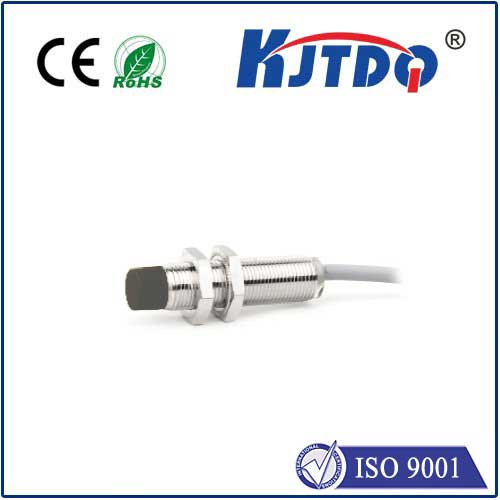
In the world of industrial automation and machine control, achieving precise, reliable, and maintenance-free detection is a constant pursuit. This is where the proximity inductive sensor, a cornerstone of modern sensing technology, proves its indispensable value. Unlike mechanical switches or optical sensors, these robust devices operate on a fundamental principle of physics, offering a seamless solution for detecting metallic objects without any physical contact.
At its core, a proximity inductive sensor generates a high-frequency electromagnetic field from its active face using an oscillator circuit. When a conductive metal target enters this oscillating field, eddy currents are induced on the surface of the target. These eddy currents draw energy from the sensor's oscillator, causing a reduction in its oscillation amplitude. An integrated evaluation circuit within the sensor continuously monitors this amplitude. Once the energy loss reaches a predetermined threshold—corresponding to the target being within the specified sensing range—the sensor's solid-state output switch is triggered, sending a clear signal to the connected controller, such as a PLC.
The advantages of this operating principle are numerous and critical for harsh industrial environments. The complete absence of physical contact between the sensor and the target object eliminates mechanical wear and tear, granting these sensors an exceptionally long operational life. They are inherently resistant to contaminants like dust, oil, coolant, and dirt that would easily foul optical or mechanical components. With no moving parts, they offer high switching speeds, capable of detecting objects thousands of times per second, which is essential for high-speed production lines and positioning applications. Furthermore, their output is a clean, bounce-free electrical signal, providing reliable data to control systems.
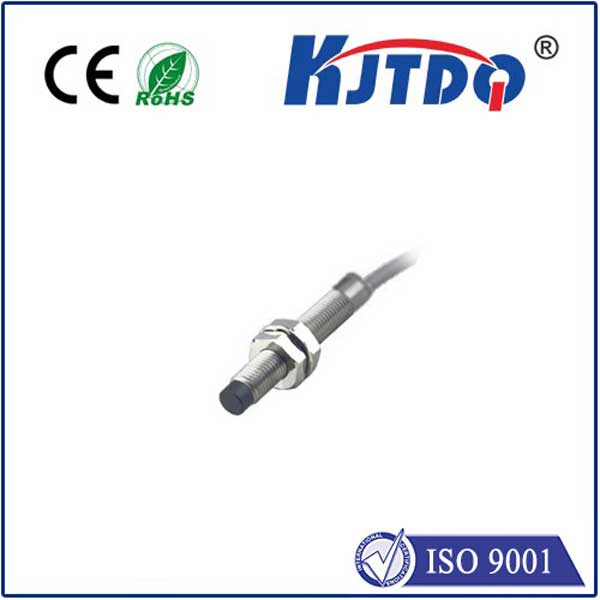
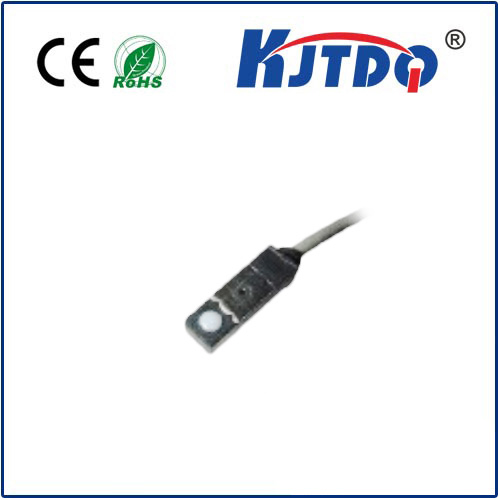
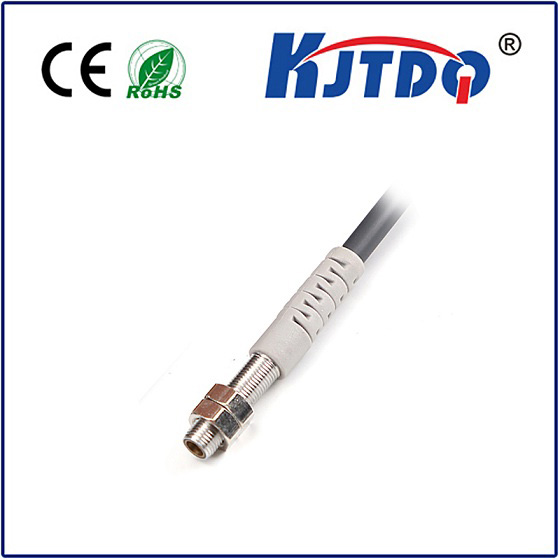
Proximity inductive sensors are not a one-size-fits-all solution; they are engineered in various form factors and specifications to meet diverse application needs. The most common distinction is between shielded (flush-mountable) and unshielded (non-flush) designs. Shielded sensors can be mounted flush into metal without affecting their sensing field, making them ideal for compact installations. Unshielded sensors offer a longer sensing range but require non-metallic surroundings. Sensing distances vary from a few millimeters for miniature sensors to several tens of millimeters for larger models. Output configurations typically include NPN (sinking) and PNP (sourcing) transistor outputs, as well as analog (4-20mA or 0-10V) versions for distance-proportional measurement, alongside the traditional AC/DC two-wire types.
The applications for proximity inductive sensors are virtually limitless across manufacturing and processing industries. They are the workhorses for simple object detection, such as confirming the presence of a metal part on a conveyor, verifying if a robot gripper has picked up a component, or counting bottles via their metal caps. In machine tools, they provide precise end-of-travel positioning for slides and tool changers. They play a vital role in rotational speed monitoring by detecting gear teeth or keyways. In automated assembly, they ensure parts are correctly seated before the next process step. Their robustness makes them perfect for use in metal stamping, welding, and die-casting machines where temperatures and contaminants are extreme.
Selecting the right sensor involves careful consideration of several parameters. The nominal sensing distance (Sn) is specified for a standard target (usually mild steel). It's crucial to note that different metals affect the sensing range; for instance, the effective range for stainless steel is often reduced, while for copper or aluminum it is reduced even further. The housing material, such as nickel-plated brass, stainless steel, or PBT plastic, must be chosen based on the chemical and physical exposure. Environmental factors like temperature extremes, presence of strong electromagnetic fields, and potential for physical impact must also guide the selection. Proper installation is equally important; maintaining the correct mounting distance from other metal surfaces and ensuring stable power supply voltage are key to optimal performance.
As Industry 4.0 and smart manufacturing evolve, proximity inductive sensors are becoming more intelligent. Modern variants come with IO-Link communication, enabling them to transmit not just a simple on/off signal but also diagnostic data like operating temperature, switch cycle count, and signal strength to higher-level systems for predictive maintenance and process optimization. This connectivity transforms them from simple switches into valuable data points on the factory network.
In conclusion, the proximity inductive sensor remains a fundamental, yet highly advanced, component in automation. Its principle of non-contact inductive sensing provides an unmatched blend of reliability, durability, and speed for metallic object detection. From controlling simple machinery to enabling complex, data-driven production cells, understanding and correctly applying these sensors is key to building efficient, resilient, and intelligent automated systems. Their continued innovation ensures they will remain at the forefront of industrial sensing for years to come.