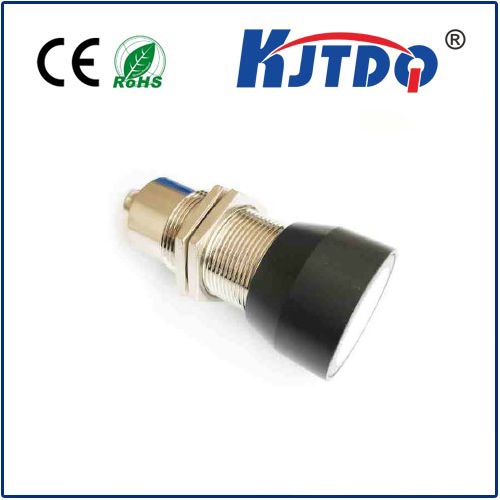
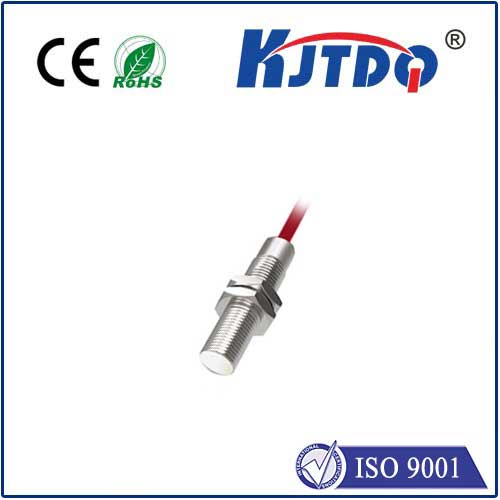
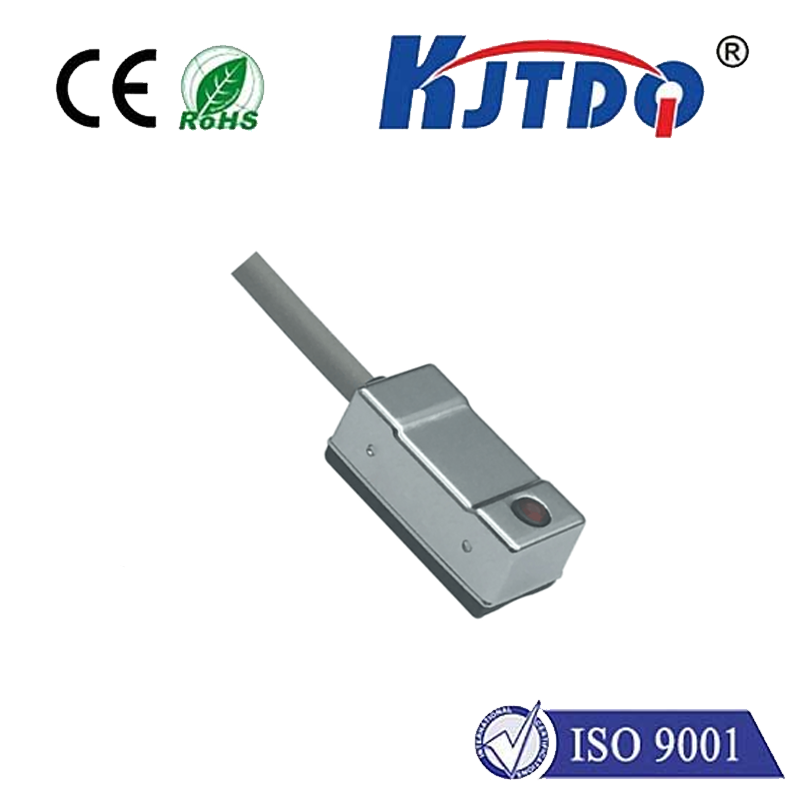
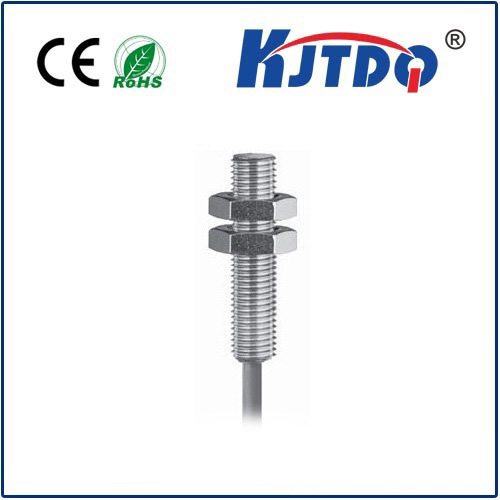
In the rapidly evolving landscape of industrial automation and smart device integration, the proximity IR sensor stands as a cornerstone technology, enabling machines to perceive and interact with their environment without physical contact. The fundamental principle behind this device is elegantly simple yet profoundly effective: it emits an infrared light beam and detects its reflection from a nearby object. By measuring the intensity of the returned signal or the time it takes to bounce back, the sensor accurately calculates the presence, absence, or distance of an object. This non-contact detection method is critical in applications where hygiene, precision, or delicate handling is paramount.
The deployment of proximity IR sensors has become ubiquitous across diverse sectors. In manufacturing assembly lines, these sensors ensure components are correctly positioned before a robotic arm executes a weld or a pick-and-place operation, drastically reducing errors and downtime. Within the consumer electronics realm, they are the invisible force behind features like automatic screen dimming during phone calls, conserving battery life and enhancing user experience. The automotive industry relies heavily on them for obstacle detection in parking assistance systems, contributing significantly to vehicle safety. Furthermore, in public sanitation, touchless faucets and soap dispensers powered by IR sensors promote hygiene by eliminating the need for physical contact, a feature whose value has been underscored in recent years.
The advantages of implementing a high-quality proximity IR sensor are multifaceted. Firstly, they offer remarkable reliability and longevity. With no moving parts subject to mechanical wear and tear, these sensors boast an extended operational life even in demanding environments characterized by dust, moisture, or temperature variations. Secondly, their response time is exceptionally fast, often in the millisecond range, which is indispensable for high-speed automation processes where every fraction of a second counts. Thirdly, their ability to detect a wide range of materials—including glass, plastic, metal, and liquids—makes them incredibly versatile. Unlike inductive sensors that only detect metals, IR sensors provide a broader solution spectrum. Finally, their compact size allows for seamless integration into space-constrained designs, from miniature medical devices to sleek home appliances.
When selecting a proximity IR sensor for a specific application, several technical parameters demand careful consideration. The sensing range, which can vary from a few millimeters to several meters, must align with the operational needs. The environmental conditions are crucial; sensors with higher Ingress Protection (IP) ratings are essential for outdoor or washdown environments. The output type—whether digital (on/off) or analog (proportional to distance)—determines how the sensor communicates with the control system. Power supply requirements and housing material also play a vital role in ensuring compatibility and durability. For instance, a sensor used in food processing might require a stainless-steel housing for easy cleaning and corrosion resistance.
Looking ahead, the future of proximity IR sensor technology is intertwined with the growth of the Internet of Things (IoT) and Industry 4.0. The next generation of sensors is becoming smarter, incorporating microprocessors that allow for onboard data processing, self-diagnosis, and adaptive calibration. This intelligence enables predictive maintenance, where the sensor can alert operators to potential failures before they occur, minimizing unplanned stoppages. Furthermore, the integration of multiple sensing modalities—combining IR with other technologies like time-of-flight (ToF) or ultrasonic sensing—is creating more robust and accurate perception systems for complex tasks such as autonomous mobile robot navigation and advanced human-machine interfaces.
In conclusion, the proximity IR sensor is far more than a simple switch; it is a sophisticated enabler of efficiency, safety, and innovation. From streamlining complex industrial processes to adding intuitive convenience to everyday gadgets, its impact is pervasive and growing. As technology continues to advance, these sensors will become even more intelligent, compact, and energy-efficient, solidifying their role as indispensable components in building a more automated, responsive, and intelligent world. For engineers and designers, understanding and leveraging the capabilities of modern proximity IR sensors is key to unlocking new possibilities in product and system development.