Проверка
Проверка
Проверка
Проверка
Проверка
Проверка
In the world of industrial automation, robotics, and smart devices, the ability to detect the presence or absence of an object without physical contact is a fundamental capability. This is where the detection proximity sensor comes into play. These sophisticated yet robust devices are the silent sentinels of modern manufacturing lines, automotive assembly plants, and countless consumer electronics, enabling precision, safety, and efficiency. Unlike mechanical switches, they operate by emitting an electromagnetic field or a beam of radiation and looking for changes in the field or return signal. The key advantage is clear: non-contact sensing eliminates wear and tear, allows for high-speed operation, and functions reliably in harsh environments where dirt, oil, or moisture would compromise physical components.
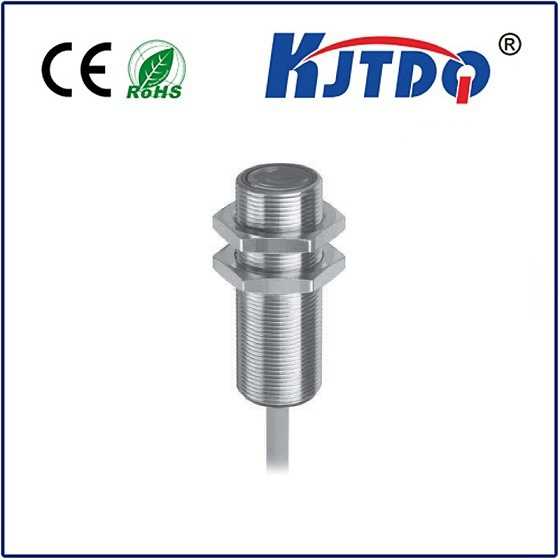
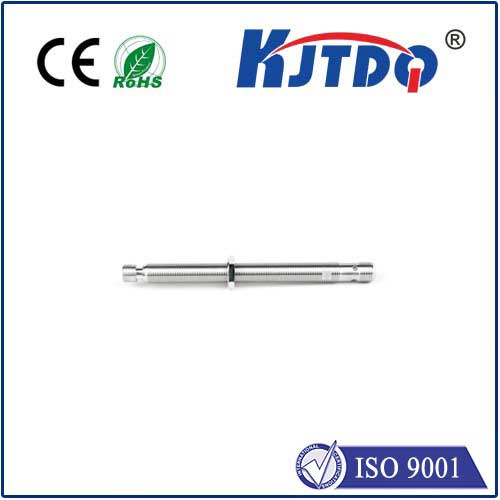
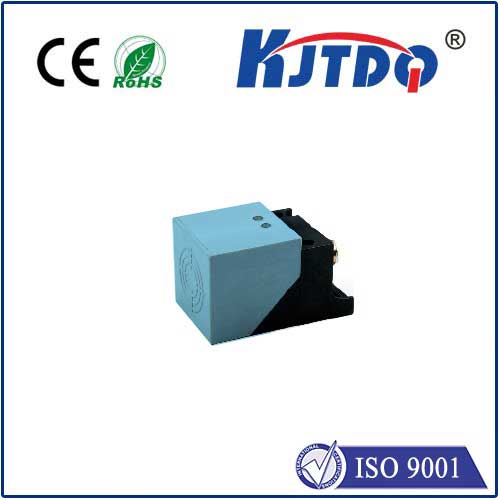
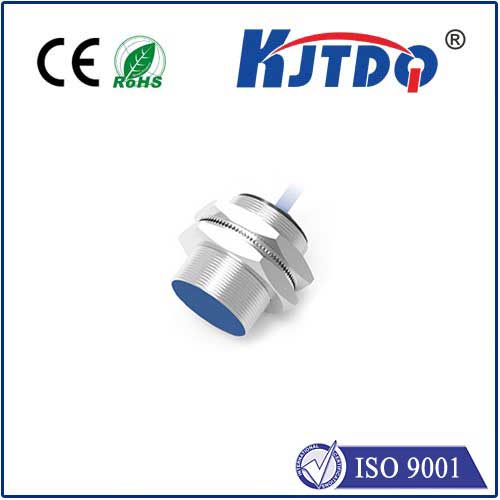
The technology behind detection proximity sensors is diverse, primarily categorized by their sensing principle. Inductive proximity sensors are the workhorses for detecting metallic objects. They generate an oscillating electromagnetic field. When a metal target enters this field, it induces eddy currents within the metal, which dampens the sensor's own oscillation and triggers a detection signal. These sensors are exceptionally reliable for detecting steel, aluminum, copper, and other metals, making them ideal for machine tooling, position verification of metal parts, and robotic end-effectors. Capacitive proximity sensors, on the other hand, can detect both metallic and non-metallic materials like plastics, wood, liquids, and granules. They function by generating an electrostatic field. Any object that enters this field alters the capacitance of the system, which is measured to detect presence. This makes them perfect for level detection in tanks, material handling of non-metals, and touch-sensitive interfaces.
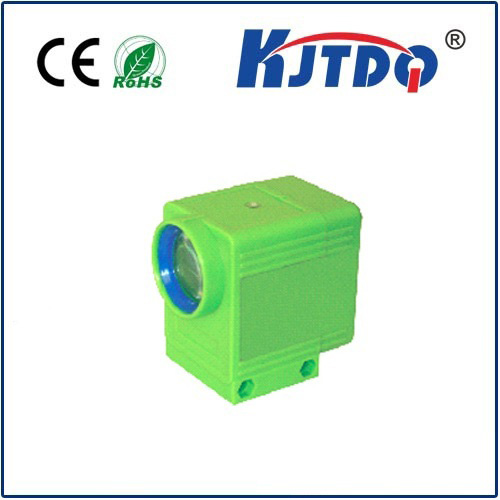
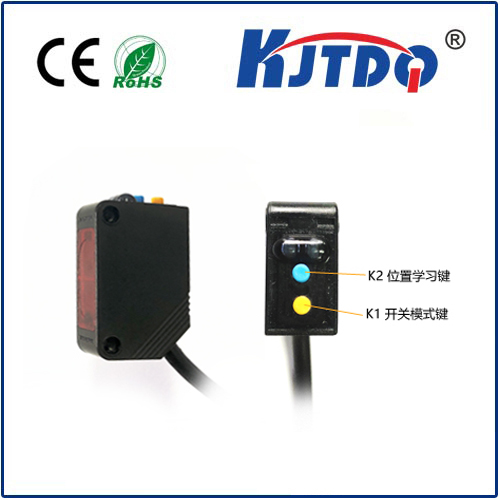
For longer ranges or specific material detection, photoelectric sensors use light beams. An emitter sends out a beam of light (visible, infrared, or laser), and a receiver detects it. Detection occurs when an object interrupts (through-beam) or reflects (reflective) this beam. Ultrasonic sensors operate on a similar principle but use sound waves. They measure the time taken for a sound pulse to reflect back from an object, calculating distance. This technology is excellent for detecting objects of varying colors and surface types, liquid levels, and in challenging environments with dust or fog. Each type has its optimal application, and the choice depends on factors like target material, required sensing distance, environmental conditions, and required response speed.
The applications of detection proximity sensors are virtually limitless. In automotive manufacturing, they ensure robotic welders are in the correct position and verify that components are present on the assembly line. In packaging machinery, they count bottles, detect fill levels, and ensure labels are applied. On conveyor systems, they track product position for sorting and routing. Beyond heavy industry, they are embedded in everyday life: the automatic faucet that turns on when hands are present uses a capacitive or infrared sensor; the smartphone that dims its screen when held to the ear employs a proximity sensor; and advanced driver-assistance systems (ADAS) in vehicles use radar and LiDAR, which are sophisticated forms of proximity sensing, for collision avoidance.
Selecting the right detection proximity sensor is critical for system performance. Engineers must first define the target material—metal, plastic, liquid, etc. Next, the required sensing distance or range must be determined, noting that specifications are typically given for a standard target. The operating environment is crucial; sensors may need specific ingress protection (IP) ratings for dust and water resistance, or special housing materials for corrosive or high-temperature areas. Output type is another key decision: digital (PNP/NPN) for simple on/off control, or analog (4-20mA, 0-10V) for providing continuous distance information. Finally, physical factors like size, mounting style (flush or non-flush for inductive sensors), and connection type must align with the mechanical design of the application. Consulting with sensor specialists and reviewing detailed datasheets can prevent costly mismatches and ensure reliable, long-term operation.
As Industry 4.0 and the Internet of Things (IoT) evolve, detection proximity sensors are becoming smarter and more connected. Modern sensors can integrate IO-Link communication, allowing them to transmit not just a switch signal but also detailed parameter data like operating hours, temperature readings, and signal strength to a central controller for predictive maintenance and process optimization. This intelligence transforms them from simple detection devices into valuable sources of machine health and process data. The future points toward sensors with enhanced diagnostics, smaller form factors, and greater resistance to electromagnetic interference, further solidifying their role as indispensable components in building the automated, data-driven factories and products of tomorrow. Their silent, unwavering vigilance is a cornerstone of modern technological progress.