Проверка
Проверка
Проверка
Проверка
Проверка
Проверка
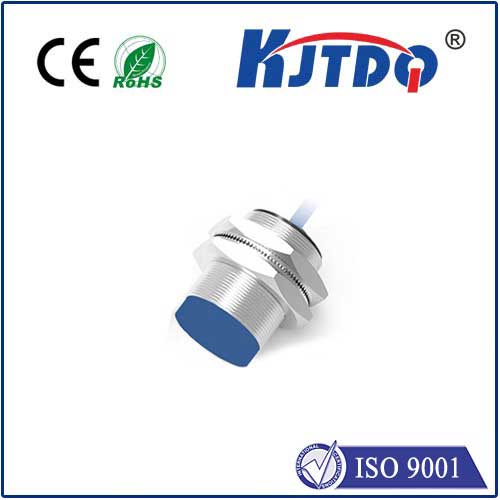
In the rapidly evolving landscape of industrial automation, consumer electronics, and robotics, the demand for accurate, reliable, and non-contact detection has never been higher. At the heart of this silent revolution lies a critical component: the micro proximity sensor. These miniature marvels are fundamentally changing how machines perceive and interact with their immediate environment, enabling a new era of efficiency, safety, and intelligent functionality.
Unlike traditional mechanical switches or larger sensing units, micro proximity sensors operate on the principle of detecting the presence or absence of an object within a very short range without any physical contact. Commonly utilizing technologies such as infrared (IR), ultrasonic, or capacitive sensing, these devices emit a field or beam and analyze changes in the return signal. When an object enters this predefined detection zone, the sensor triggers an electrical signal. This seamless operation is crucial for applications where space is at a premium, precision is paramount, and mechanical wear is unacceptable.
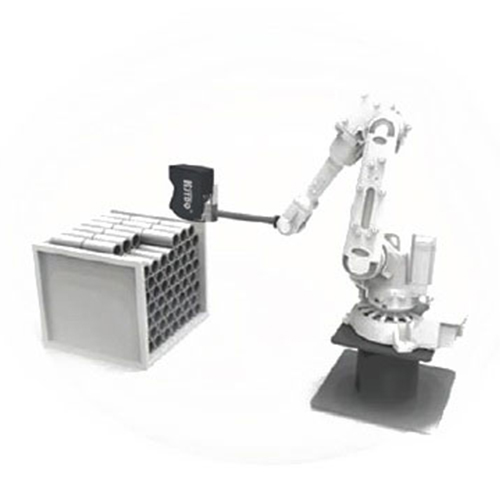
The applications for micro proximity sensors are vast and continually expanding. In the smartphone industry, they are indispensable for enabling features like automatic screen turn-off during calls, preventing accidental touch inputs. This not only conserves battery life but also enhances user experience. Within automotive assemblies, these sensors ensure precise positioning of components on production lines, contribute to advanced driver-assistance systems (ADAS) by monitoring nearby obstacles, and are integral to touch-sensitive interior controls. Robotics, perhaps one of the most demanding fields, relies on micro proximity sensors for delicate object handling, obstacle avoidance in confined spaces, and ensuring safe human-robot collaboration. Their small form factor allows them to be embedded directly into robotic grippers or joints, providing real-time feedback critical for precise movements.
The advantages of integrating micro proximity sensors are multifaceted. First and foremost is their exceptional reliability. With no moving parts subject to friction, they offer a significantly longer operational lifespan compared to mechanical alternatives. Their non-contact nature means they can detect objects regardless of material—be it metal, plastic, liquid, or even glass—without causing any damage or leaving marks. This is particularly valuable in cleanroom environments or when handling fragile items. Furthermore, their high switching speed allows for detection at incredibly fast rates, essential for high-speed manufacturing and packaging lines. The miniaturization trend also means they consume very little power, making them ideal for battery-operated portable devices and contributing to overall energy efficiency in larger systems.
When selecting a micro proximity sensor for a specific application, several key parameters must be considered. The sensing range, typically from a few millimeters up to several centimeters, must match the operational need. The type of output signal—whether digital (ON/OFF) or analog (proportional to distance)—determines how the data is processed by the controller. Environmental robustness is another critical factor; sensors may need to be resistant to dust, water, oils, or extreme temperatures depending on their deployment setting. Finally, the physical size and mounting options must align with the design constraints of the final product or machinery.
Looking ahead, the future of micro proximity sensing is intertwined with the growth of the Internet of Things (IoT) and smart systems. As devices become more interconnected and intelligent, the role of these sensors as the "digital fingertips" of machines will only amplify. We can anticipate further miniaturization, even lower power consumption, and the integration of smarter onboard diagnostics. The development of sensors capable of not just detecting presence but also accurately gauging distance, thickness, or even material composition in a tiny package is already underway. This progression will unlock new possibilities in medical devices, wearable technology, and advanced interactive interfaces.
In conclusion, the micro proximity sensor, though often unseen, is a powerhouse of modern engineering. It is a foundational technology that bridges the physical and digital worlds, enabling smarter, safer, and more responsive systems across countless industries. Its continued evolution is not merely an incremental improvement but a key driver in the march toward fully automated and intelligently interactive environments. For engineers and designers, understanding and leveraging the capabilities of these sensors is no longer optional—it is essential for innovating the next generation of technological solutions.