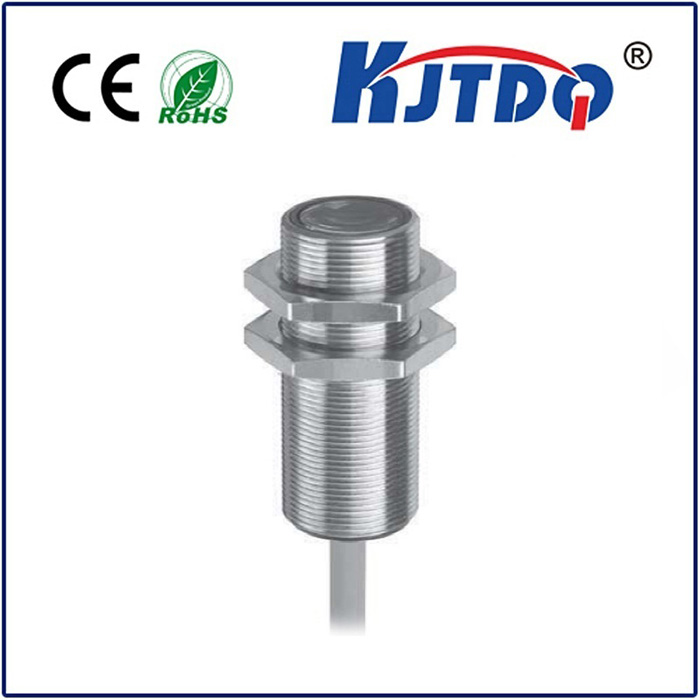
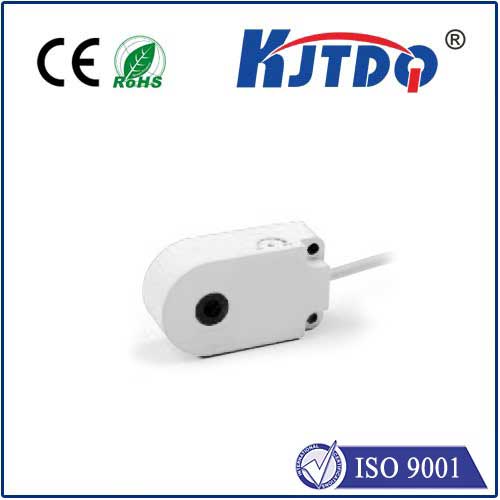
In the demanding world of industrial automation, the reliability and precision of sensing components are non-negotiable. Among the various options available, the 24V PNP proximity sensor stands out as a cornerstone technology for countless applications. This type of sensor operates on a 24-volt DC power supply, a standard in many industrial control systems, and utilizes a PNP (Positive-Negative-Positive) switching configuration. Understanding its function and advantages is key to optimizing machine performance and ensuring seamless production flow.
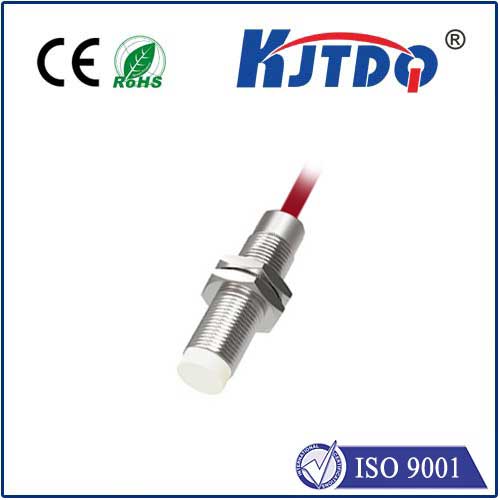
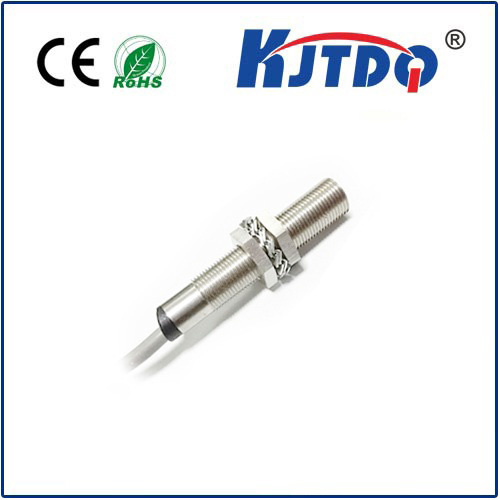
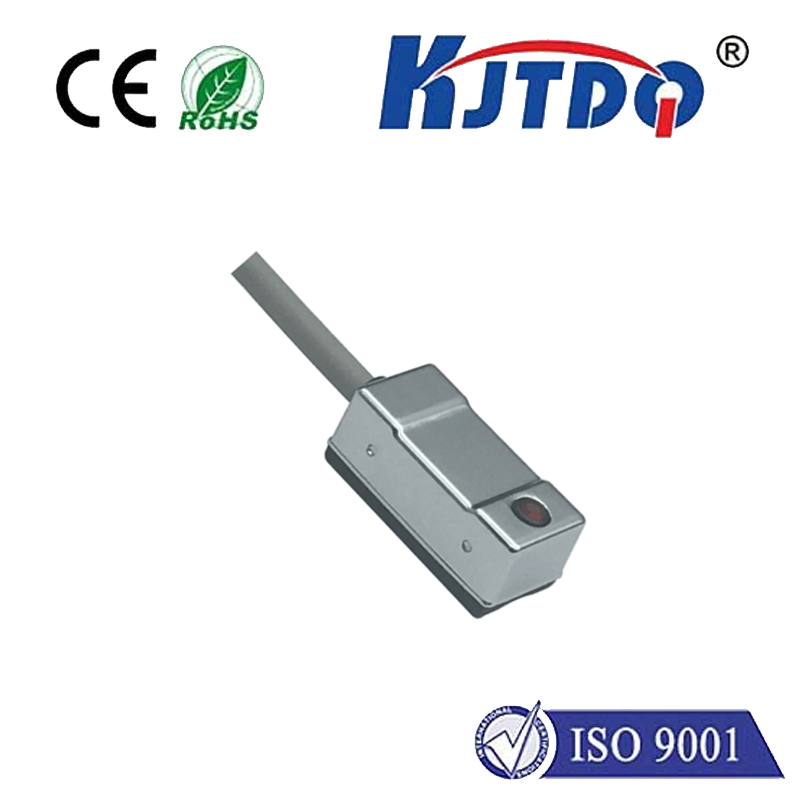
A 24V PNP proximity sensor is a non-contact electronic device designed to detect the presence or absence of metallic objects without any physical contact. The "PNP" designation refers to its output transistor type. In a PNP sensor, the output wire switches to a positive voltage (24V) when a target is detected. This "sourcing" configuration means the sensor provides the power to the load, which is typically connected to the common negative (0V). This is in contrast to NPN sensors, which "sink" current to ground. The 24V DC operating voltage is favored for its balance between safety and signal integrity, reducing electrical noise interference common in factory environments.
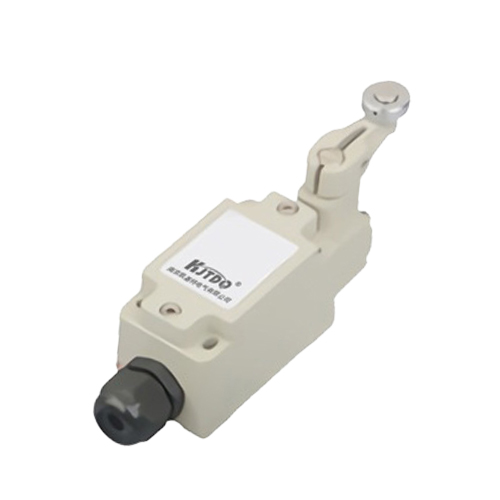
The applications for these robust sensors are vast and critical. They are extensively used for precise position detection on assembly lines, ensuring components are correctly aligned before a robotic arm performs its task. In packaging machinery, they count products, verify lid placement, or confirm the presence of a container before filling. They serve as end-of-travel limit switches in automated guided vehicles (AGVs) and CNC machines, providing essential feedback to the control system. Their non-contact nature makes them ideal for harsh environments where dirt, oil, or vibrations would quickly degrade mechanical switches.
Choosing a 24V PNP sensor offers several distinct operational benefits. Their immunity to mechanical wear and tear translates to exceptionally long service life and reduced maintenance downtime. The fast switching speeds enable high-speed counting and positioning tasks, crucial for modern high-throughput production. Furthermore, their solid-state design ensures consistent performance unaffected by contact bounce, a common issue with mechanical limit switches. The standardized 24V DC interface simplifies integration with Programmable Logic Controllers (PLCs), motor drives, and other standard industrial control components, streamlining the entire design and wiring process.
When selecting a 24V PNP proximity sensor for a specific task, several technical parameters require careful consideration. The sensing range, which varies from a few millimeters to several tens of millimeters, must be appropriate for the application to avoid false triggers or missed detections. The housing material, typically nickel-plated brass, stainless steel, or ruggedized plastics like PBT, must be chosen to withstand the environmental conditions, including exposure to coolants, washdowns, or metal chips. Factors like embeddable or non-embeddable design, shield or unshielded models (which affect detection near metal surfaces), and output current rating are also pivotal for successful implementation.
Installation and wiring are straightforward but demand attention to detail. Always refer to the manufacturer's datasheet for specific instructions. Generally, the brown wire connects to the positive 24V DC supply, the blue wire to the common negative (0V), and the black wire is the PNP output signal. Ensuring proper grounding and shielding of cables in electrically noisy environments is essential to prevent erratic behavior. Regular maintenance, though minimal, should involve periodic cleaning of the sensor face to remove debris and verification of its operational distance with the intended target material.
In conclusion, the 24V PNP proximity sensor is more than just a component; it is a fundamental enabler of efficiency, safety, and reliability in automated systems. Its robust design, compatibility with industrial standards, and versatile application range make it an indispensable tool for engineers and system integrators. By understanding its operating principles and selection criteria, professionals can harness its full potential to build smarter, more resilient, and more productive automation solutions that meet the challenges of modern manufacturing.