Проверка
Проверка
Проверка
Проверка
Проверка
Проверка
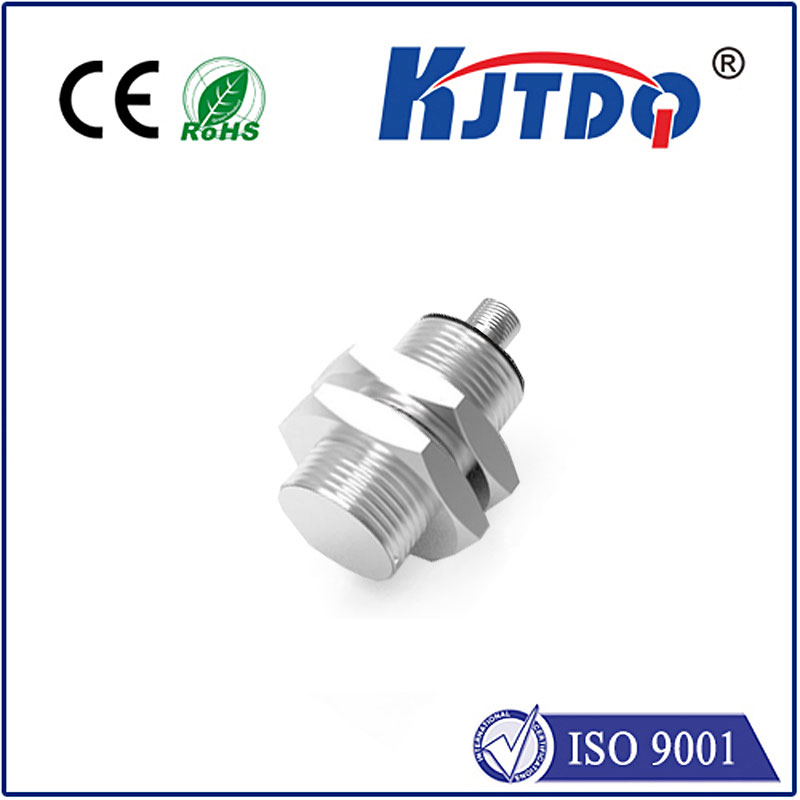
In modern industrial automation, the demand for reliable and precise detection solutions has never been higher. Among the various sensing technologies available, the capacitive proximity sensor stands out for its versatility and non-contact operation. Specifically, the PNP (Positive-Negative-Positive) output configuration of these sensors plays a pivotal role in integrating seamlessly with a wide range of programmable logic controllers (PLCs) and control systems prevalent in many regions and industries. This article delves into the functionality, advantages, and practical applications of the capacitive proximity sensor with PNP output, highlighting its significance in optimizing production processes.
Unlike inductive sensors that detect only metals, capacitive proximity sensors can detect a vast array of materials, including liquids, powders, plastics, and glass. This is achieved by measuring changes in capacitance. The sensor generates an electrostatic field. When a target object enters this field, it alters the capacitance. The sensor's circuitry detects this change and triggers a switching action. The PNP output type, often referred to as "sourcing" output, means the sensor switches the positive voltage line to the load. In a typical wiring setup, the load (like a PLC input) is connected between the sensor's output wire and the common negative (0V). When the sensor detects an object, it provides the positive supply voltage to the load, completing the circuit. This configuration is widely compatible and often considered the standard for many DC sinking input modules.
The primary advantage of using a PNP capacitive proximity sensor lies in its broad material detection capability combined with straightforward electrical integration. For instance, in packaging lines, these sensors can reliably detect the presence of plastic bottles or cardboard boxes regardless of color or surface texture. In food and beverage processing, they monitor liquid levels in non-metallic tanks without direct contact, ensuring hygiene and preventing contamination. The robust construction of industrial-grade models allows them to perform consistently in harsh environments with exposure to dust, moisture, or temperature variations. Their non-contact nature eliminates mechanical wear, leading to minimal maintenance and extended service life, which directly contributes to reduced downtime and operational costs.
Selecting the right capacitive proximity sensor involves several key considerations. The sensing range is crucial and depends on the dielectric constant of the target material; materials with higher constants are detected from a greater distance. Factors like the size of the sensor head, the installation environment (flush or non-flush mounting), and output type must align with the application requirements. The PNP output is particularly favored in systems where the control logic is designed for a sourcing signal. Proper installation is also critical. Ensuring there is no interference from other electromagnetic sources or adjacent metal objects guarantees stable performance and prevents false triggering. Regular calibration checks, although infrequently needed, help maintain accuracy over time.
Real-world applications showcase the transformative impact of these devices. In automotive manufacturing, PNP capacitive sensors verify the presence of rubber gaskets or composite panels on assembly robots. In pharmaceutical production, they control the filling of powders into plastic vials with high precision. Agricultural automation utilizes them to sense grain or fertilizer levels in silos. The common thread across these diverse sectors is the need for a dependable, non-intrusive sensing solution that interfaces effortlessly with modern control architecture. The capacitive proximity sensor with PNP output fulfills this need, providing a critical link between the physical presence of materials and the digital control system.
As Industry 4.0 and smart factory concepts continue to evolve, the role of intelligent sensing becomes more central. The latest capacitive sensors with PNP output often feature advanced diagnostics, IO-Link communication for parameterization and data exchange, and enhanced noise immunity. This evolution transforms them from simple switches into valuable data points on the network, enabling predictive maintenance and finer process control. Their ability to detect non-metallic substances fills a gap that other sensor types cannot, making them an indispensable component in creating fully automated, efficient, and flexible production environments. By choosing the appropriate sensor technology and output configuration, engineers can build more resilient and responsive automation systems.