Проверка
Проверка
Проверка
Проверка
Проверка
Проверка
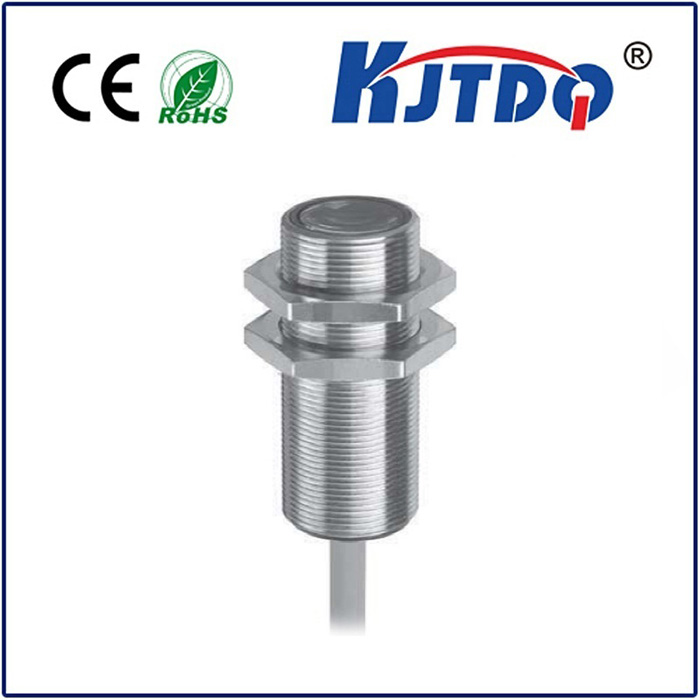
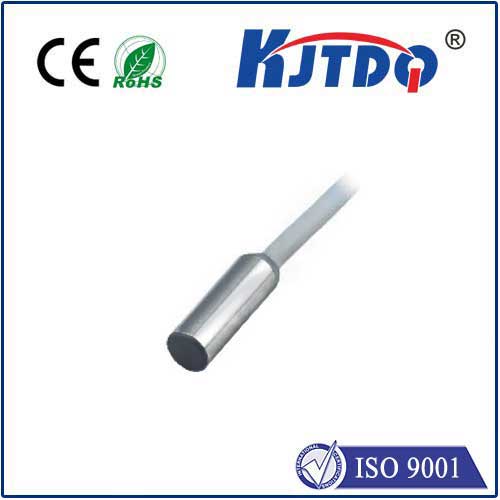
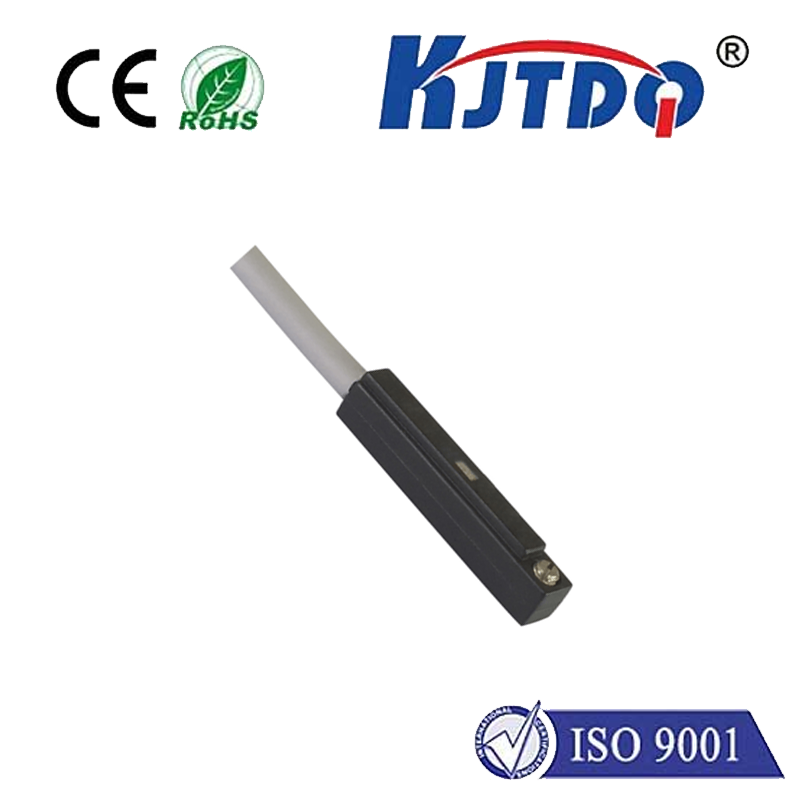
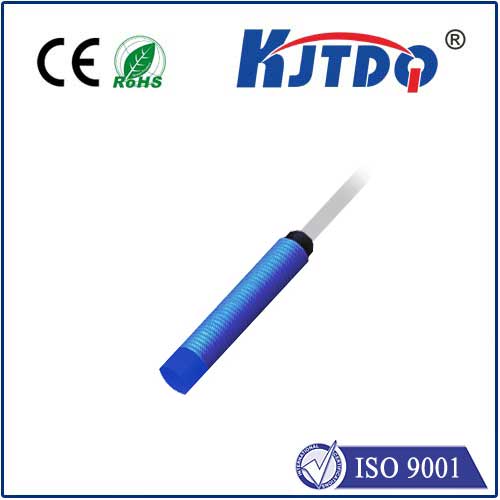
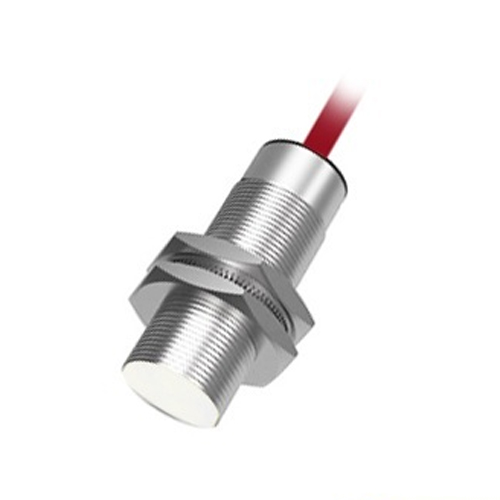
In the intricate world of industrial automation, precision, reliability, and safety are non-negotiable. Among the myriad of components that ensure seamless operation, the capacitive proximity sensor stands out, particularly models rated for 250VAC. This specialized sensor, often denoted by identifiers like KJTDQ in certain product lines or catalogs, represents a critical junction of sensitivity and robust power handling. Unlike its inductive counterpart that detects metals, a capacitive proximity sensor can sense a vast array of materials—liquids, plastics, wood, glass, and granular substances—by detecting changes in capacitance. When this versatile technology is engineered to operate directly on a 250VAC power supply, it unlocks significant advantages for high-power industrial environments.
The core principle behind a 250VAC-rated capacitive proximity sensor is elegantly simple. It generates an electrostatic field. When any object enters this field, it alters the sensor's capacitance, triggering a switching action. The "250VAC" specification is crucial; it signifies that the sensor can interface directly with high-voltage control circuits common in machinery, conveyor systems, and heavy industrial equipment. This direct compatibility eliminates the need for additional intermediate relays or power converters in many setups, simplifying cabinet design, reducing points of failure, and lowering overall system cost and complexity. For engineers and system integrators, specifying a sensor with this built-in capability means a more streamlined and robust design from the outset.
Why is the 250VAC rating so pivotal? Industrial facilities often run on high-voltage power for motors and actuators. Having a sensor that can switch these loads directly provides immense practical benefits. It allows for the direct control of contactors, solenoid valves, and indicator lamps operating on the same line voltage. This integration enhances response times and system coherence. Furthermore, a well-designed capacitive sensor for this voltage range incorporates advanced isolation and protection circuits. These features guard against voltage spikes, electromagnetic interference (EMI) common in industrial settings, and ensure stable operation amidst electrical noise, guaranteeing long-term reliability and reducing maintenance downtime.
The applications for a capacitive proximity sensor 250VAC are extensive and varied. In packaging lines, it can detect the presence of plastic bottles or glass containers through transparent walls, controlling fill levels or guiding sorting mechanisms. In woodworking, it can sense lumber or composite boards without physical contact, preventing damage to sensitive materials. In liquid processing, it serves as an effective level detection switch for chemicals, water, or food products inside non-metallic tanks. The high-voltage capability makes it ideal for integration into control panels that manage pumps, heaters, or large industrial fans directly. The KJTDQ series or similar models are often sought for these demanding roles where material diversity meets high-power control needs.
Selecting the right capacitive proximity sensor for 250VAC duty requires careful consideration. Key parameters include the sensing range, which is typically shorter than inductive sensors and can be influenced by the material's dielectric constant. The housing material is also critical; devices in KJTDQ-type series often feature robust PBT or metal housings with high IP ratings (like IP67) for resistance to dust, moisture, and washdowns in harsh environments. Output configuration (normally open or normally closed, NPN or PNP for DC models, or direct AC switching) must match the control logic. Additionally, look for features like built-in sensitivity adjustment potentiometers, which allow fine-tuning to ignore background interference or detect specific materials reliably.
Installation and maintenance practices are straightforward but essential for optimal performance. Ensure the sensor is mounted securely, away from large grounded metal objects that could create a parasitic sensing field and cause false triggering. The sensing face should have a clear, unobstructed approach from the target material. Regular cleaning to remove dust, moisture, or material buildup is necessary, as contaminants can alter the capacitance and affect sensing accuracy. The advantage of a 250VAC-rated sensor in maintenance is its direct compatibility; troubleshooting often involves standard electrical checks with a multimeter on the familiar line voltage, simplifying the process for maintenance technicians.
In conclusion, the capacitive proximity sensor rated for 250VAC is more than just a component; it is a strategic enabler for efficient and flexible industrial automation. Its ability to detect non-metallic objects and interface directly with high-power circuits addresses a fundamental challenge in modern manufacturing and processing. Whether referenced as part of a KJTDQ catalog or another industrial series, specifying this type of sensor represents a commitment to system simplicity, direct control, and operational resilience. For any project requiring material detection beyond metals within a high-voltage framework, this sensor technology offers a proven, reliable, and cost-effective solution, forming an invisible yet indispensable link in the automated chain.