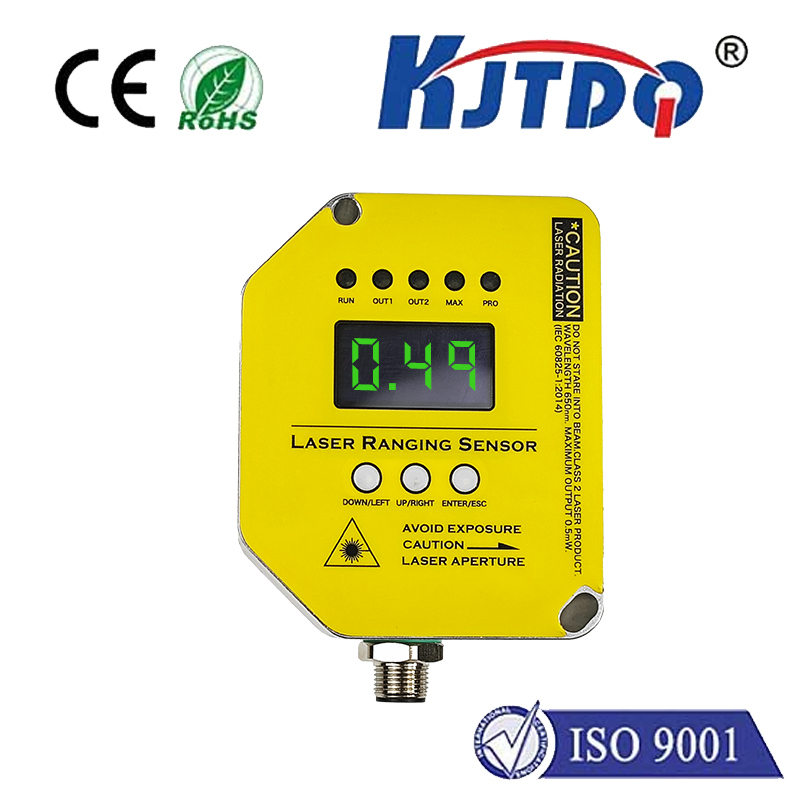
In an increasingly automated world, the unseen components that enable our devices to function intelligently are more critical than ever. Among these, the proximity sensor stands out as a fundamental technology. These small but powerful devices detect the presence or absence of nearby objects without any physical contact, serving as the silent sentinels of our digital ecosystem. From the smartphone that dims its screen when held to your ear to the industrial machine that halts before a collision, proximity sensors are the unsung heroes of efficiency and safety.
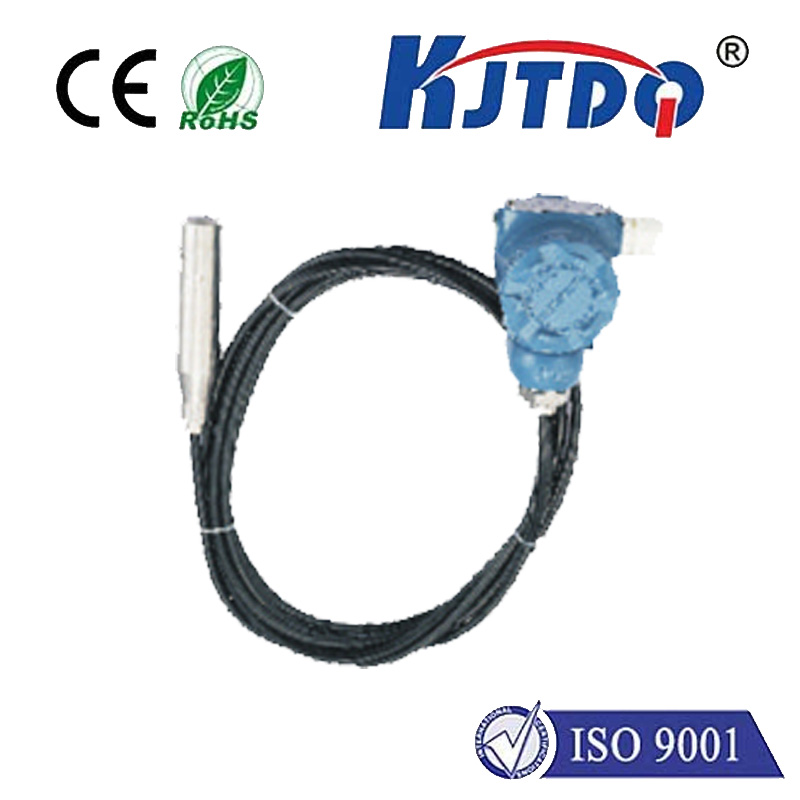
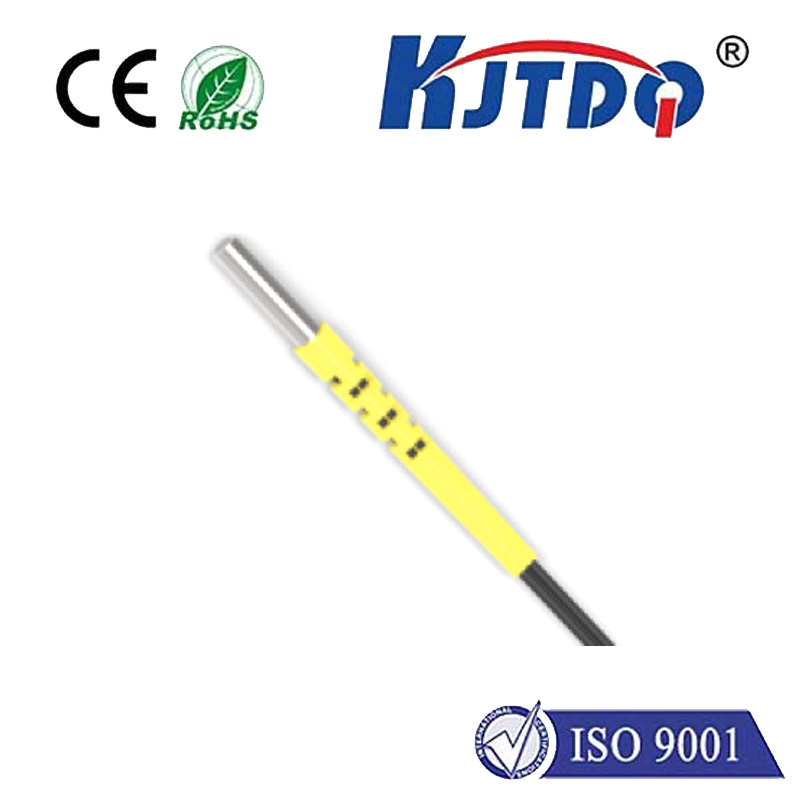
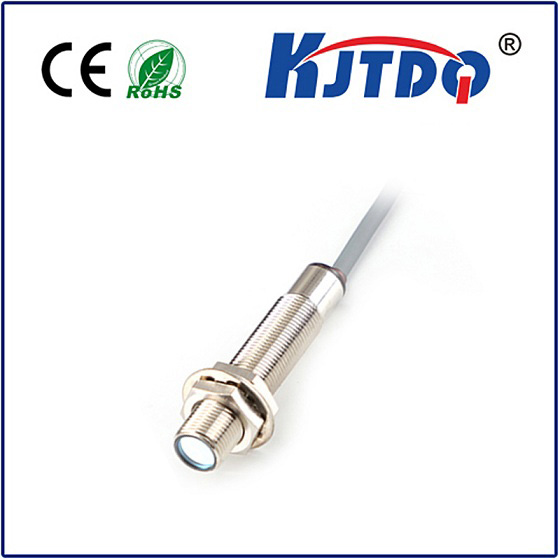
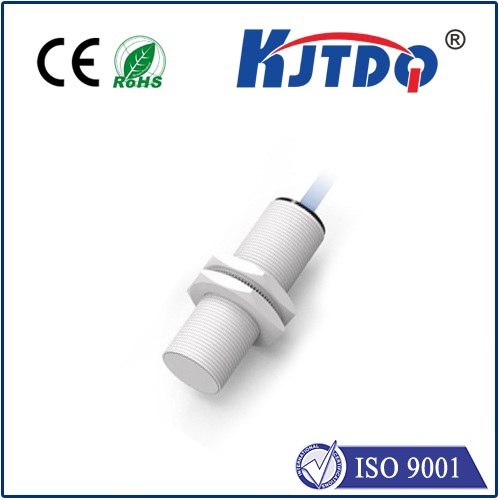
The core principle behind a proximity sensor is elegantly simple. It emits an electromagnetic field or a beam of radiation, such as infrared light, and looks for changes in the field or return signal. The specific type—inductive, capacitive, ultrasonic, or optical—determines its ideal application. Inductive sensors, for instance, excel at detecting metallic objects and are staples in manufacturing assembly lines. Capacitive sensors can detect a wider range of materials, including liquids and plastics, making them perfect for touchscreens and liquid level detection. This versatility is what makes them indispensable.
The integration of advanced proximity sensing technology, like that developed by KJTDQ, pushes these applications further. By focusing on enhanced accuracy, lower power consumption, and miniaturization, modern sensors solve more complex problems. In consumer electronics, they enable features like automatic screen wake-up and gesture control, creating a seamless user experience. In the automotive sector, they are pivotal for parking assistance systems, blind-spot monitoring, and automatic trunk opening, significantly enhancing driver convenience and vehicle safety.
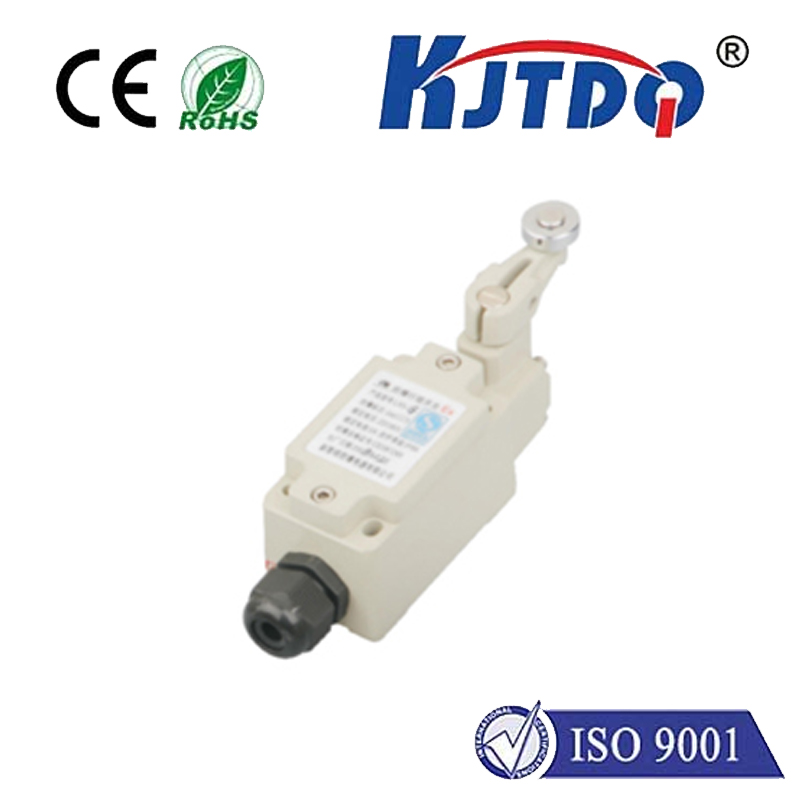
The industrial landscape has been transformed by robust proximity sensors. They are the backbone of automation, providing precise object detection for counting, positioning, and inspection on high-speed production lines. In hazardous environments, they allow for the non-contact monitoring of equipment, protecting both machinery and personnel. The reliability and durability of components from specialists like KJTDQ ensure minimal downtime and consistent performance in demanding conditions, from food processing plants to automotive workshops.
Looking ahead, the role of the proximity sensor is set to expand with the growth of the Internet of Things (IoT) and smart infrastructure. In smart homes, sensors will manage lighting and climate control based on occupancy. In smart cities, they could monitor traffic flow or parking space availability. The evolution towards smarter, more adaptive sensors will fuel innovation across every sector. The continuous refinement in sensor technology promises a future where interactions between humans and machines are more intuitive, efficient, and safe than ever before, solidifying the proximity sensor's place as a cornerstone of technological progress.