Проверка
Проверка
Проверка
Проверка
Проверка
Проверка
The vibrant, full-color world of sublimation printing thrives on a foundation of precision. Whether creating custom apparel, personalized mugs, or stunning signage, the magic hinges on perfectly transferring digital designs onto specially coated substrates. A single misalignment or media misfeed can ruin hours of work and waste valuable materials. This is where an often-overlooked hero plays a pivotal role: the photoelectric sensor. While not visible in the final dazzling product, its contribution to sublimation printer reliability and print quality is absolutely critical.
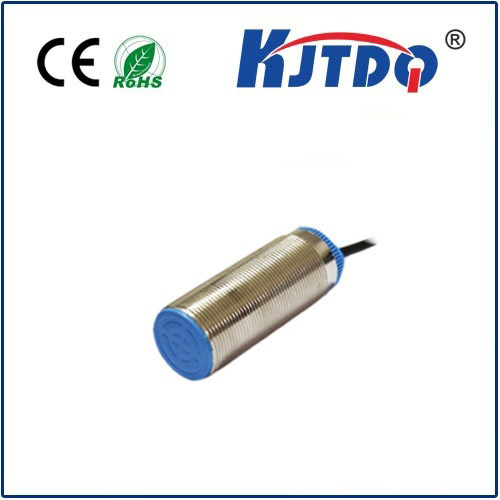
Understanding the core function of a photoelectric sensor in this context is key. At its heart, it’s a non-contact sensing device that utilizes light – typically infrared – to detect the presence or absence of an object. In sublimation printers, their primary mission is media detection and position verification. Think about the process: paper (transfer sheets) must be flawlessly fed into the printer, positioned with extreme accuracy under the printhead for each pass (especially crucial in multi-pass printers for vivid color), and its leading edge or specific registration marks must be identified precisely to guarantee the image lands exactly where intended on the substrate later. Mechanical sensors or switches simply lack the speed, precision, and consistency required for today’s high-resolution, high-speed sublimation systems.
How Does It Work in a Sublimation Environment?

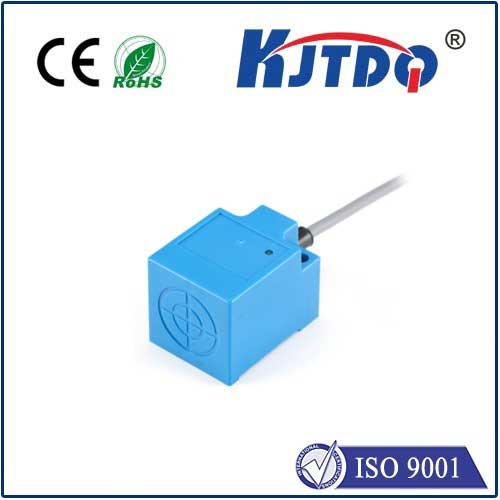
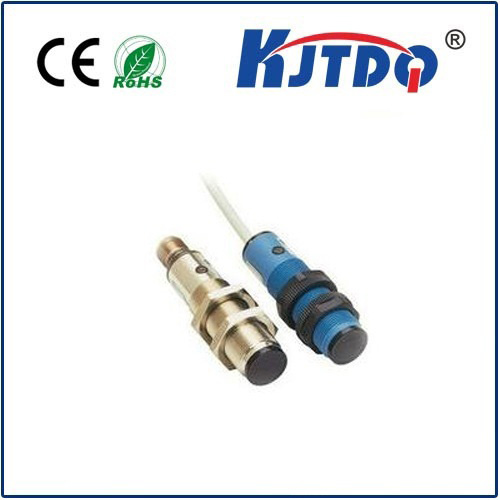
Typically, reflective photoelectric sensors are employed. These consist of an integrated light emitter (usually an LED) and a receiver (a phototransistor or photodiode). The emitter directs an invisible beam of light towards the platen or feed path. When sublimation paper enters this beam, the light reflects off its surface and back to the receiver. The sensor’s internal electronics detect this change in light pattern (from no reflection = no paper, to strong reflection = paper present) and sends a signal to the printer’s main control board. This signal is used to:
The Tangible Benefits: Why Photoelectric Sensors are Indispensable
The integration of photoelectric sensors translates directly into real-world advantages for any sublimation printing workflow:
Key Considerations for Optimal Performance
While photoelectric sensors are highly reliable, optimal performance in a sublimation printer depends on several factors:
The Silent Guardian of Sublimation Success
In the high-stakes world of sublimation printing, where vibrant colors meet demanding substrates and tight deadlines, perfection is not just desired – it’s expected. Behind the scenes, ensuring this perfection demands unwavering precision and reliability. The photoelectric sensor, operating silently with beams of light, fulfills this crucial role. By enabling precise media detection, ensuring pinpoint registration, preventing costly jams, and contributing to flawless print consistency, these sophisticated components are fundamental to achieving professional results. They are the unseen guardians protecting your investment in ink, time, materials, and ultimately, your reputation as a quality sublimation provider. Understanding their role underscores why choosing sublimation printers engineered with high-quality sensing technology is a smart investment in predictable, profitable, and high-quality output.