Проверка
Проверка
Проверка
Проверка
Проверка
Проверка

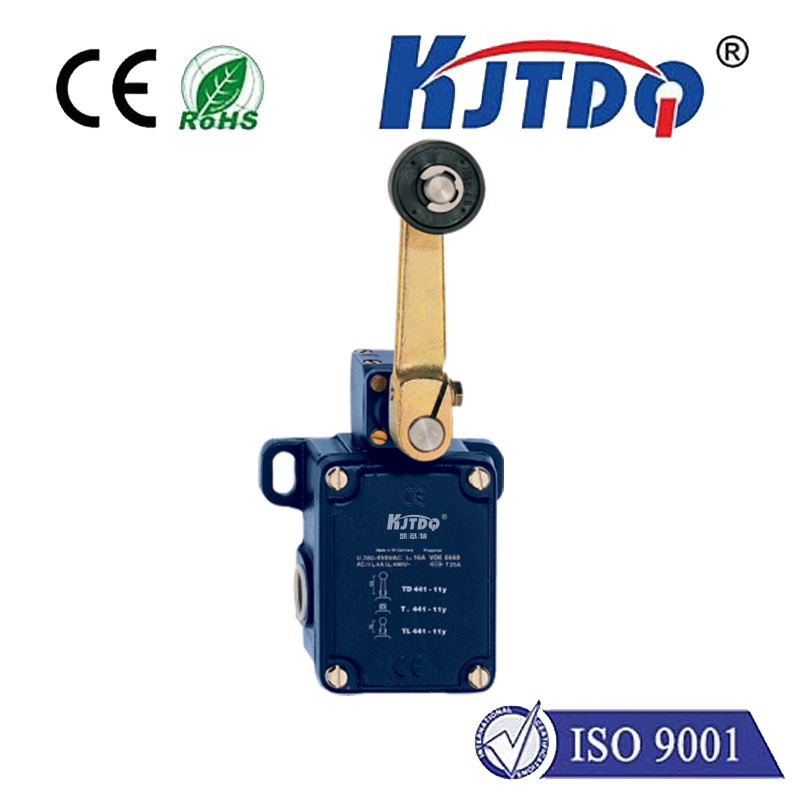
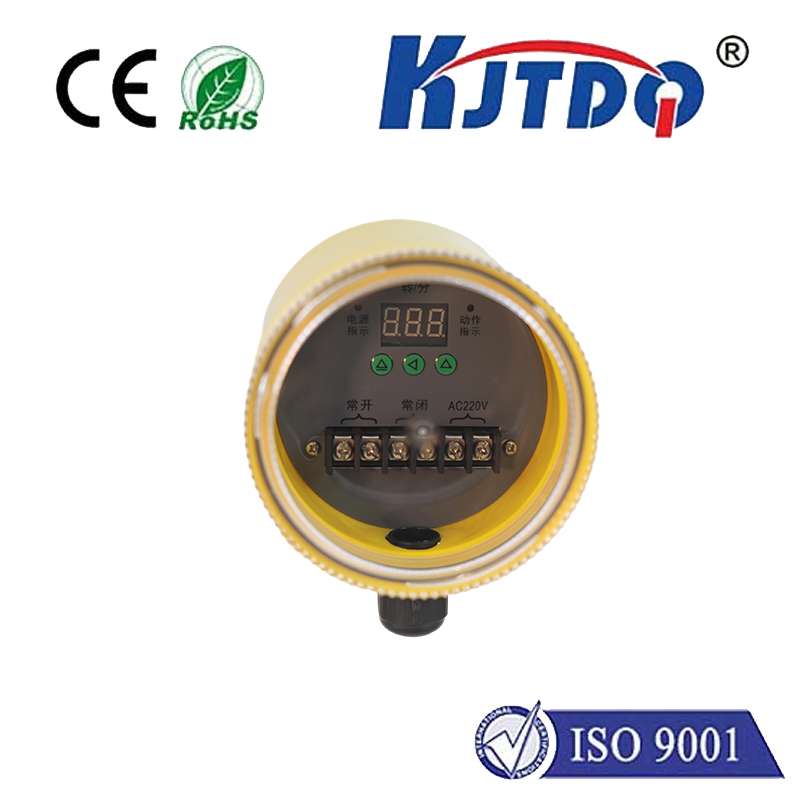
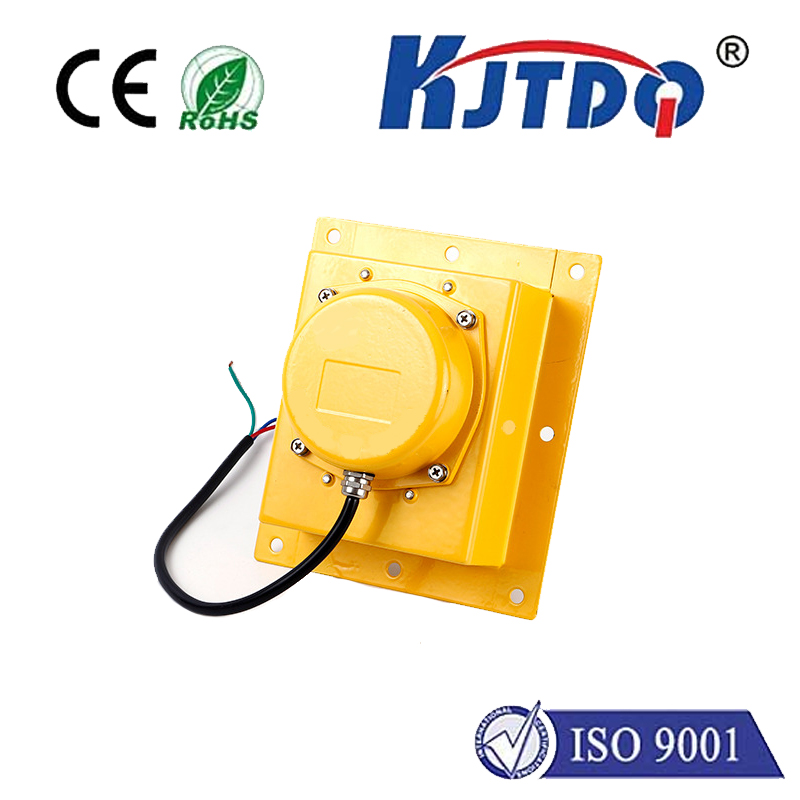
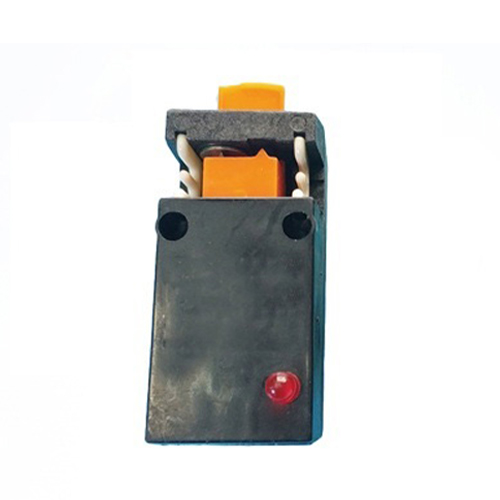
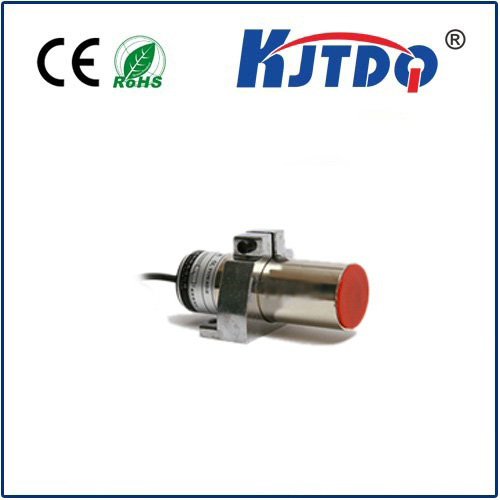
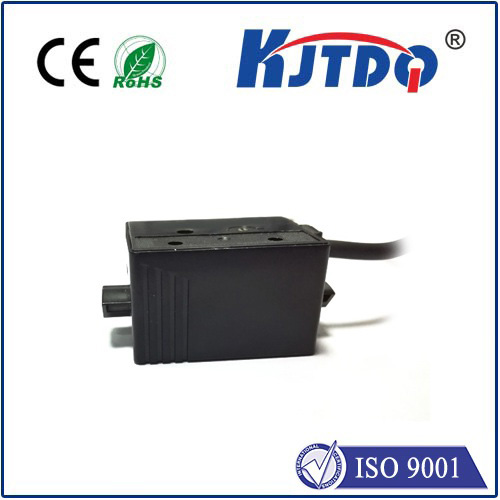
2V Proximity Switch: An Essential Component in Automation Systems In the realm of automation and control systems, precision and reliability are paramount. One crucial component that plays a vital role in ensuring seamless operation is the 12V proximity switch. This article delves into the significance, functionality, and applications of this indispensable device, highlighting its importance in various industries. Understanding the 12V Proximity Switch A proximity switch is an electronic sensor designed to detect the presence or absence of an object within a specific range without any physical contact. The term “12V” refers to the operating voltage required by these switches, making them compatible with many industrial and domestic systems. These switches utilize electromagnetic fields, capacitive coupling, or optical principles to sense objects, translating the detection into an electrical signal that can be processed by control systems. Functionality at a Glance The core functionality of a 12V proximity switch lies in its ability to convert the proximity of an object into an actionable output signal. When an object enters the sensor’s detection zone, it triggers a change in electrical properties, such as resistance or capacitance, depending on the technology used (inductive, capacitive, or photoelectric). This variation is then translated into a binary output – typically open or closed circuit – which can be easily integrated with programmable logic controllers (PLCs) or other control units for further processing. Applications Across Diverse Sectors The versatility of 12V proximity switches makes them suitable for a wide array of applications across multiple sectors: