Проверка
Проверка
Проверка
Проверка
Проверка
Проверка
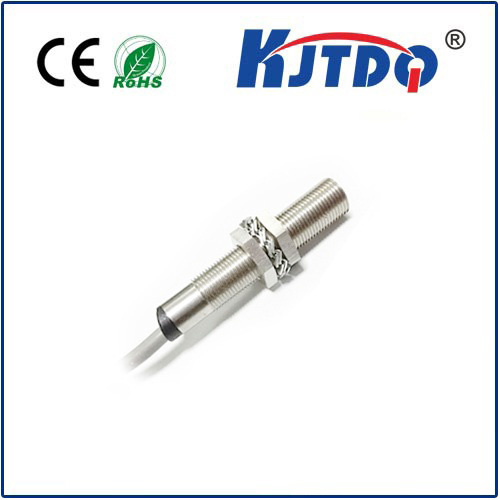
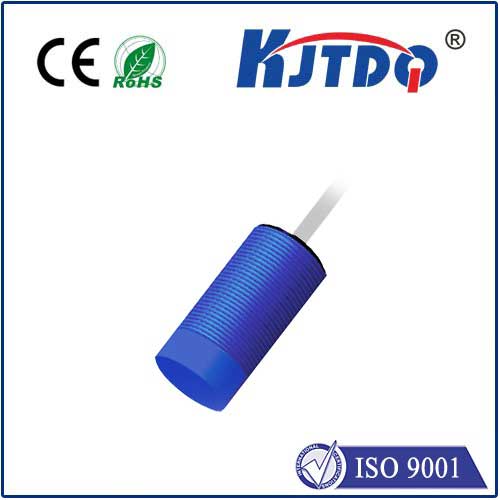
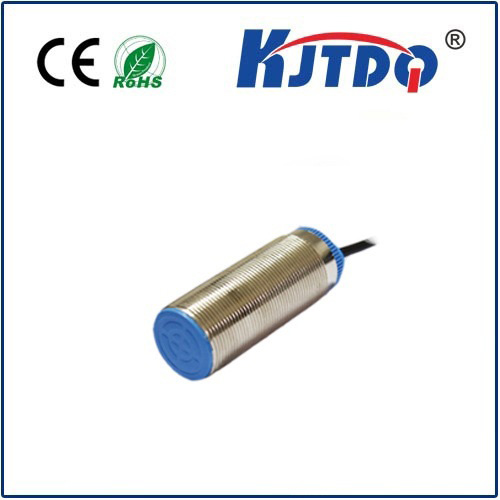
In the relentless world of industrial automation, where machinery operates under extreme conditions, the reliability of every component is non-negotiable. Pressure, especially in hydraulic systems, pneumatic controls, and heavy-duty manufacturing, presents a constant challenge. Traditional sensors often falter, leading to downtime, safety risks, and compromised product quality. This is where the KGG08P3BPC High Pressure Proximity Sensor steps in, not merely as a component but as a cornerstone of modern industrial resilience.
The KGG08P3BPC is engineered from the ground up to thrive where others cannot. Its defining characteristic is its exceptional capability to perform accurate non-contact detection in environments subjected to high pressure, often exceeding several hundred bar. Unlike standard inductive or capacitive sensors that might deform or fail under such stress, the KGG08P3BPC incorporates a robust, hermetically sealed housing constructed from high-grade stainless steel. This design effectively shields its sensitive internal electronics from the immense external forces, ensuring signal stability and longevity.
Precision is paramount. The sensor utilizes a high-performance sensing element that delivers consistent and repeatable switching points. Whether it's monitoring the position of a piston in a high-pressure hydraulic cylinder, detecting the presence of a metal tool in a forging press, or ensuring a valve is fully seated in a chemical processing line, the KGG08P3BPC provides unwavering accuracy. This eliminates guesswork, reduces waste from malformed parts, and enables tighter control over automated processes. Its high switching frequency also allows it to keep pace with fast-moving machinery, making it ideal for high-cycle production lines.
Durability is woven into its DNA. Beyond pressure resistance, the sensor is built to withstand the other harsh realities of the factory floor. It typically boasts high ratings for ingress protection (IP67/IP69K), making it impervious to dust, oil, coolants, and powerful water jets. This makes it perfectly suited for washdown environments in food and beverage processing or applications in mining and construction where particulate contamination is a constant threat. The rugged construction also ensures excellent resistance to vibration and mechanical shock, common in stamping, punching, and assembly operations.
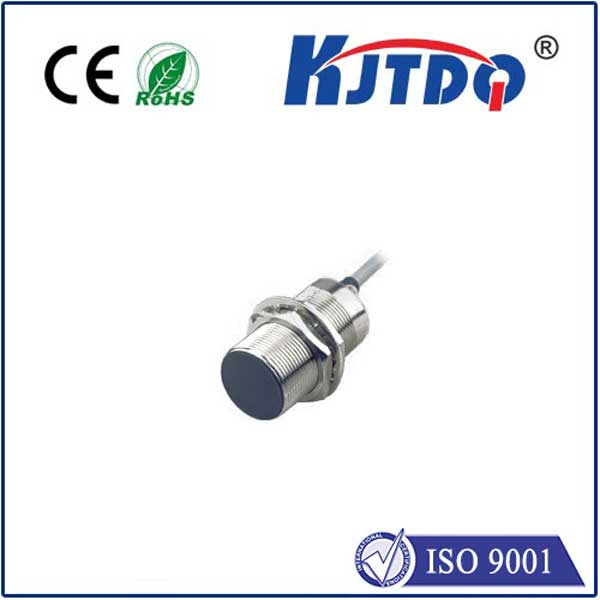
Integration is straightforward. The KGG08P3BPC is designed with the plant engineer in mind. It often features a compact, cylindrical form factor (like M8 or M12) that allows for easy installation in space-constrained locations. The availability of both PNP (sourcing) and NPN (sinking) output configurations, along with standard connection methods like quick-disconnect cables or fixed cables, ensures compatibility with a vast array of PLCs (Programmable Logic Controllers) and control systems from major manufacturers worldwide. This plug-and-play philosophy minimizes installation time and complexity.
The real-world applications are vast and critical. In the automotive industry, these sensors reliably monitor hydraulic clamps in welding robots. In metal fabrication, they detect the position of heavy dies in stamping presses. In plastic injection molding, they confirm mold closure under immense tonnage. In offshore oil and gas equipment, they provide vital feedback on valve and actuator positions under extreme pressures. Each application leverages the sensor's core strength: delivering a dependable digital signal in an environment that would cripple lesser devices.
Ultimately, selecting the KGG08P3BPC High Pressure Proximity Sensor is an investment in operational excellence. It translates to reduced unplanned maintenance, fewer production stoppages, enhanced worker safety by ensuring machines operate within their designed parameters, and superior end-product quality through precise control. In an era where efficiency and uptime are directly linked to profitability, this sensor moves beyond being a simple part—it becomes a strategic asset for any operation facing the challenges of high-pressure, demanding industrial environments. Its performance is a testament to engineering focused on solving real-world problems with robustness and precision.