Проверка
Проверка
Проверка
Проверка
Проверка
Проверка
In the demanding world of industrial automation and process control, the integrity of every component is paramount. Among these critical components, proximity sensors play a vital role in detecting the presence or absence of objects without physical contact. However, standard sensors often falter in extreme environments, particularly under high-pressure conditions. This is where specialized solutions like the DW-AS-503-P20G High Pressure Proximity Sensor become indispensable. Engineered for resilience and precision, this sensor is designed to deliver unwavering performance where others cannot.
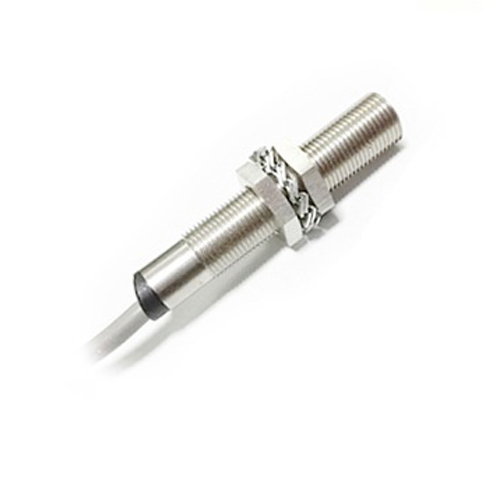
The DW-AS-503-P20G is not merely a sensor; it is a robust solution built to withstand the rigors of high-pressure applications. Its core design philosophy centers on durability and accuracy. The housing is typically constructed from high-grade stainless steel or similarly resilient alloys, providing exceptional resistance to corrosion and mechanical stress. This robust construction ensures that the sensor maintains its structural integrity and sensing capabilities even when subjected to pressures that would compromise conventional units. The P20G designation often refers to specific performance ratings, including its pressure tolerance and output signal type, making it a reliable choice for engineers seeking predictable and stable operation.
One of the defining features of the DW-AS-503-P20G is its ability to perform in environments where pressure fluctuations are constant. In industries such as hydraulic systems, oil and gas, heavy machinery, and underwater equipment, pressure can vary dramatically. Standard inductive or capacitive proximity sensors might experience signal drift, false triggers, or complete failure under such stress. The DW-AS-503-P20G mitigates these issues through advanced sealing technologies and internal compensation mechanisms. Its design often incorporates multiple sealing layers, such as O-rings and specialized gaskets, to prevent media ingress. This hermetic sealing is crucial not only for withstanding high pressure but also for protecting sensitive internal electronics from contaminants like oil, coolant, or particulate matter.
Performance under pressure is matched by its sensing reliability. Utilizing a high-frequency oscillation principle or a magnetostrictive mechanism (depending on the specific model variant), the sensor provides non-contact detection of metallic targets. The sensing distance, while potentially adjusted for the high-pressure housing, remains consistent and repeatable. This consistency is critical for applications involving precise positioning, level detection in pressurized tanks, or safety interlocks in machinery. The output is typically a stable digital signal (like PNP/NPN) or an analog signal (4-20mA), ensuring seamless integration with Programmable Logic Controllers (PLCs) and industrial control systems without requiring extensive signal conditioning.
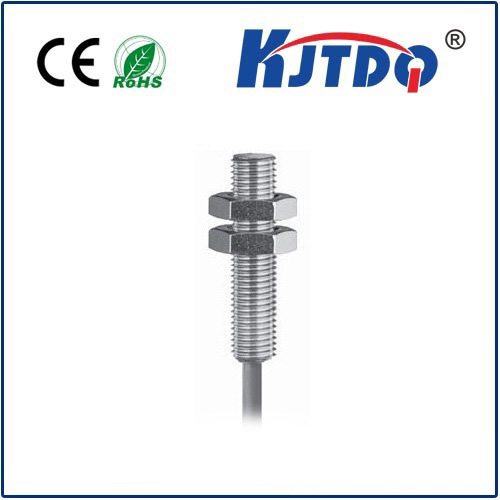
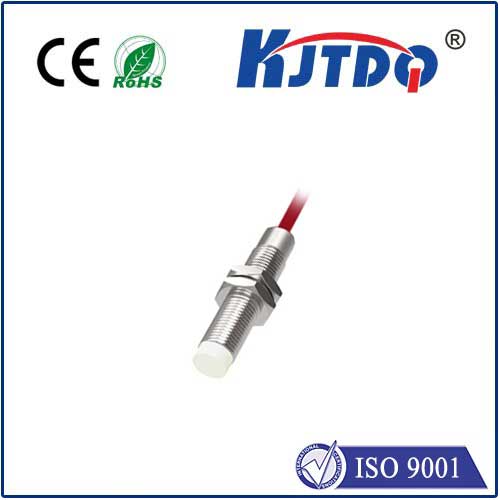
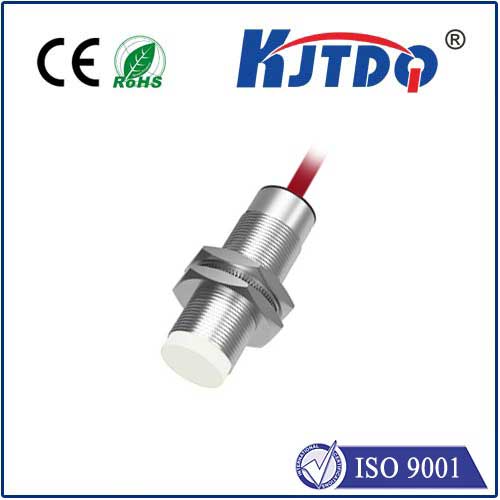
Installation and maintenance are streamlined for industrial efficiency. The DW-AS-503-P20G often features a compact, cylindrical form factor with standard mounting threads, such as M18 or M30, allowing for easy integration into existing machine ports or high-pressure vessel fittings. Its design considers the practical challenges of high-pressure environments, potentially including anti-vibration features to maintain a secure connection. Long-term maintenance is minimal due to its solid-state design and lack of moving parts, leading to reduced downtime and lower total cost of ownership over its extended service life.
When selecting a sensor for high-pressure duties, several factors must be evaluated. The DW-AS-503-P20G addresses these comprehensively. Key specifications to consider include its maximum rated pressure (often specified in bar or PSI), the temperature operating range, the type of target material it can detect, its electrical connection style, and its ingress protection (IP) rating. This sensor is typically rated for IP67 or higher, guaranteeing protection against dust and temporary immersion, which is frequently a companion challenge to high-pressure scenarios. Understanding these parameters ensures the sensor is correctly specified for the application, preventing premature failure and ensuring system safety.
Real-world applications demonstrate its versatility and critical role. In hydraulic press monitoring, it reliably detects piston position under extreme fluid pressure. Within subsea equipment, it functions as a crucial component for depth or presence sensing. In chemical processing plants, it monitors valve positions in high-pressure pipelines. Each application leverages the sensor's core strength: providing a dependable electrical signal based on physical presence, irrespective of the immense environmental pressure surrounding it. This reliability forms the backbone of automated safety systems and process efficiency.
For system integrators and maintenance engineers, integrating the DW-AS-503-P20G involves standard best practices but with added attention to pressure integrity. Ensuring that mounting surfaces are clean and undamaged is essential to preserve the seal. Torque specifications provided by the manufacturer must be strictly followed to avoid damaging the housing or compromising the seal. Electrical wiring should be performed with care, using conduits or protective sheathing if the cable is exposed to harsh conditions alongside pressure. Proper installation maximizes the sensor's lifespan and performance.
In conclusion, the DW-AS-503-P20G High Pressure Proximity Sensor represents a focused answer to a specific industrial challenge. It transcends the limitations of standard proximity sensors by offering a hardened, reliable solution for environments defined by high pressure. Its value lies in its ability to enhance system reliability, improve safety, and reduce maintenance costs in some of the most challenging operational settings. For engineers and decision-makers prioritizing uptime and precision under pressure, this sensor is a proven component that supports the relentless demands of modern industry.