Проверка
Проверка
Проверка
Проверка
Проверка
Проверка
In the relentless world of industrial automation, where machinery operates under extreme pressures and within tight tolerances, sensor failure is not an option. Downtime translates directly to lost revenue and compromised safety. This is where precision engineering meets rugged reliability. The BD1.5-P4-M12S High Pressure Proximity Sensor stands as a testament to this fusion, designed specifically to deliver unwavering performance where ordinary sensors falter.
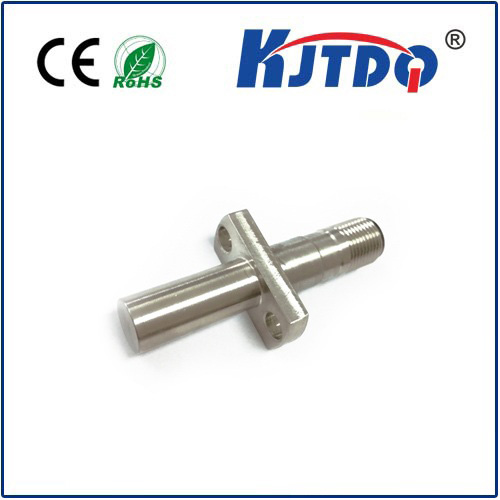
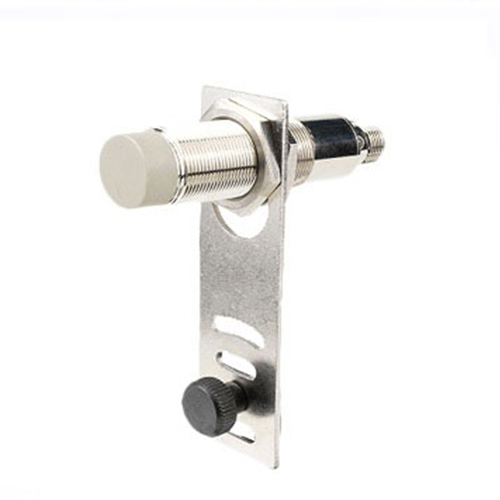
The core challenge in high-pressure applications, such as hydraulic systems, die-casting machines, or heavy-duty press lines, is the intense physical stress exerted on equipment. Fluctuating pressures, fluid surges, and mechanical vibrations can quickly degrade or disable standard inductive sensors. The BD1.5-P4-M12S is engineered from the ground up to conquer these conditions. Its defining feature is an exceptionally robust stainless-steel housing, hermetically sealed to withstand immersion pressures and prevent ingress from oils, coolants, and particulate matter. This robust construction ensures the internal sensing electronics remain completely isolated from harsh external environments, guaranteeing long-term stability and accuracy.
Performance specifications of the BD1.5-P4-M12S are tailored for demanding tasks. With a precise sensing distance of 1.5 mm and a compact, cylindrical form factor, it enables installation in space-constrained locations without sacrificing detection capability. The P4 performance classification indicates high switching frequency and repeat accuracy, critical for monitoring fast-moving components like piston rods or valve positions in pneumatic and hydraulic cylinders. The integrated M12S connector provides a industry-standard, quick-disconnect interface, significantly simplifying wiring, installation, and maintenance procedures compared to hard-wired alternatives. This plug-and-play design reduces installation time and minimizes the risk of wiring errors.
Beyond its physical durability, the sensor incorporates advanced sensing technology. It is typically an inductive proximity sensor, meaning it detects the presence of metallic target objects without any physical contact. This non-contact operation eliminates mechanical wear, leading to a virtually limitless operational lifespan. The sensor is immune to common industrial contaminants like dirt, dust, and non-corrosive fluids, making it ideal for dirty or wet environments where optical sensors might fail. Its stable output signal ensures reliable communication with Programmable Logic Controllers (PLCs), providing consistent data for process control and machine safety interlocks.
Real-world applications for the BD1.5-P4-M12S are vast across manufacturing and processing sectors. In automotive manufacturing, it reliably monitors hydraulic clamp positions in welding robots. Within the packaging industry, it ensures precise control of filling heads and cutter positions on high-speed lines. For mobile hydraulics in construction equipment, it provides critical feedback on cylinder extension, enabling precise control of booms and arms. Its resilience also makes it a perfect fit for machine tools, where it can monitor tool changers or spindle positions despite constant exposure to cutting fluids and metal shavings.
Selecting the right sensor is pivotal for system integrity. The BD1.5-P4-M12S addresses key selection criteria: extreme environmental resistance, precise and reliable detection, easy integration, and minimal maintenance requirements. Its design prioritizes not just initial performance but sustained operation over thousands of cycles, reducing total cost of ownership by preventing unplanned stoppages and frequent replacements. For engineers and system integrators, it represents a dependable component that enhances overall equipment effectiveness (OEE).
In conclusion, navigating the pressures of modern industry requires components that are equally resilient. The BD1.5-P4-M12S High Pressure Proximity Sensor is more than just a component; it is a strategic asset for robust automation design. By offering a blend of precision, ruggedness, and standardized connectivity, it provides a reliable sensing solution that keeps critical processes running smoothly, safely, and efficiently, even under the most demanding conditions. It embodies the engineering excellence necessary to push the boundaries of productivity without compromising on reliability.