Проверка
Проверка
Проверка
Проверка
Проверка
Проверка
In the world of industrial automation and process control, the reliability and accuracy of sensing technology are non-negotiable. Harsh environments characterized by extreme pressures, temperatures, and contaminants demand components that are not just robust but exceptionally precise. The KGG20H3KPC High Pressure Proximity Sensor stands out as a premier engineering solution designed to meet these rigorous challenges head-on. This sensor represents a significant leap in proximity detection technology, specifically engineered for applications where standard sensors would falter or fail.
At its core, the KGG20H3KPC is a non-contact inductive proximity sensor. Its primary function is to detect the presence or absence of metallic objects without any physical interaction. What sets this model apart is its specialized construction to withstand and operate reliably under high-pressure conditions. This capability is critical in industries such as hydraulic systems, heavy machinery, die-casting, and offshore oil and gas operations, where system pressures can reach extraordinary levels. The sensor's housing is typically crafted from high-grade stainless steel, offering superior resistance to corrosion, mechanical stress, and pressure-induced deformation. This robust build ensures longevity and consistent performance, reducing downtime and maintenance costs.
The operational principle of the KGG20H3KPC is based on electromagnetic induction. The sensor generates an oscillating electromagnetic field from its active face. When a metallic target enters this field, eddy currents are induced within the target, causing a change in the oscillation amplitude within the sensor's circuit. This change is detected and processed, resulting in a clear output signal. The "High Pressure" designation indicates that its internal components and sealing are meticulously designed to prevent failure when external ambient pressure is exceptionally high. Advanced sealing technologies, such as multiple O-rings and specialized potting compounds, are employed to maintain integrity, ensuring that neither pressure differentials nor invasive media can compromise its functionality.
Key technical specifications of the KGG20H3KPC often include a wide operating voltage range, such as 10-30V DC, making it compatible with standard industrial control systems. Its sensing range is optimized for precise detection, and it typically features short-circuit and reverse polarity protection for enhanced operational safety. The output is usually a stable PNP or NPN transistor switch, providing a clean signal to programmable logic controllers (PLCs) or other control units. Its high switching frequency allows for the detection of rapidly moving parts, which is essential in modern high-speed automation lines. Furthermore, its extended temperature operating range ensures functionality from freezing cold to scorching hot environments.
The real-world applications for this sensor are vast and varied. In hydraulic press systems, it is used for precise position feedback of cylinders and rams, ensuring strokes are completed accurately and safely under immense fluid pressure. Within injection molding and die-casting machines, it monitors mold positions and ejector pin movements, contributing to cycle time optimization and product quality. In the energy sector, particularly in subsea equipment, these sensors perform critical tasks in valve position sensing and actuator control, where they must resist not only high pressure but also the corrosive nature of seawater. Their reliability also makes them ideal for use in construction equipment, mining machinery, and automated manufacturing cells where shock, vibration, and particulate matter are ever-present challenges.
Choosing the KGG20H3KPC over a conventional proximity sensor translates to tangible benefits for operations managers and plant engineers. The foremost advantage is unparalleled reliability in punishing conditions, which directly enhances overall equipment effectiveness (OEE) by preventing sensor-related stoppages. Its precision contributes to improved product quality and process repeatability. From a financial perspective, while the initial investment might be higher than a standard sensor, the total cost of ownership is significantly lower due to reduced failure rates, less frequent replacements, and minimized unplanned downtime. Its durability also supports sustainability goals by reducing waste from failed components.
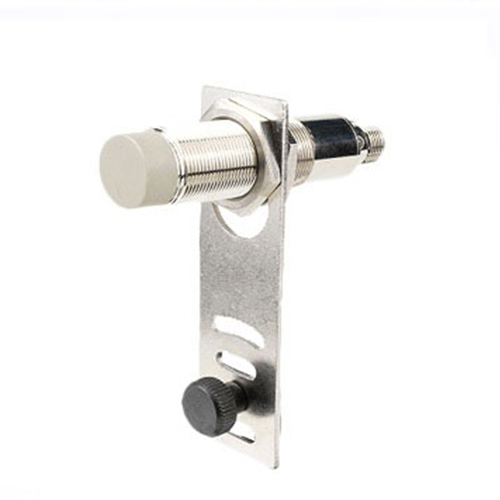
Installation and integration are straightforward, following standard mounting procedures for cylindrical proximity sensors. However, best practices must be adhered to for optimal performance. This includes ensuring the correct mounting torque to avoid damaging the housing or seals, maintaining the recommended sensing distance from the target, and considering the specific characteristics of the target metal. Proper electrical connection with shielded cables in electrically noisy environments is also crucial to prevent signal interference. Regular maintenance primarily involves visual inspections for physical damage and cleaning the sensing face to remove any buildup of oil, grease, or metal chips that could attenuate the sensing field.
As industries continue to push the boundaries of efficiency and capability, the demand for specialized components like the KGG20H3KPC High Pressure Proximity Sensor will only grow. It embodies the convergence of mechanical resilience, electronic precision, and application-specific design. For engineers tasked with designing or maintaining systems that operate under extreme pressure, this sensor is not merely an option; it is a critical component for ensuring safety, productivity, and continuous operation. Its proven performance in the field solidifies its reputation as a trusted and indispensable tool in the advanced industrial toolkit.