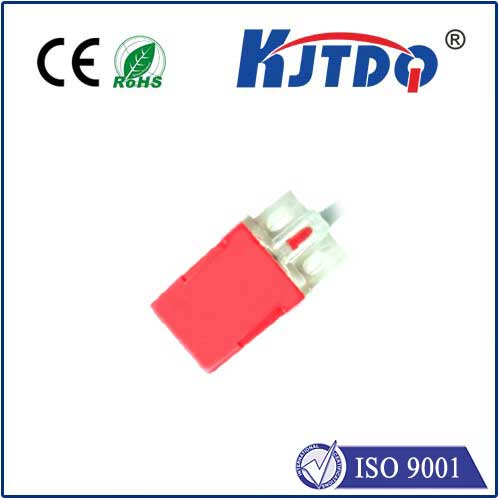
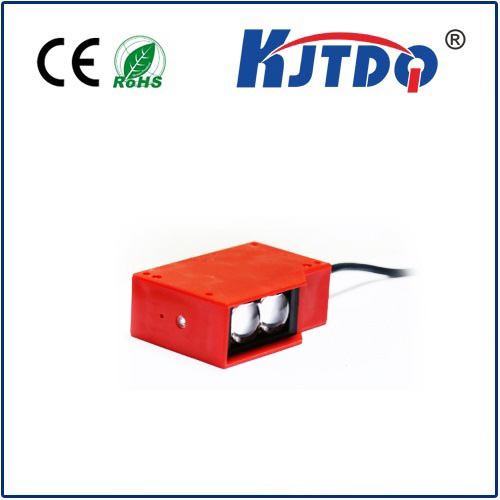
In the relentless world of industrial automation, where machinery operates under extreme pressures and in unforgiving conditions, sensor failure is not an option. It can lead to catastrophic downtime, compromised safety, and significant financial loss. This is where precision engineering meets rugged reliability. The KNYT2-M14-PBH-53 High Pressure Proximity Sensor stands as a testament to this union, designed specifically to deliver unwavering performance where ordinary sensors falter.
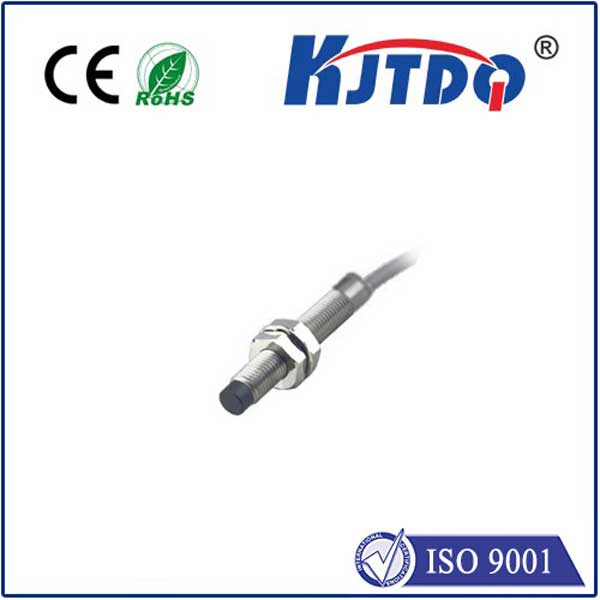
The core challenge in high-pressure applications, such as hydraulic systems, heavy-duty presses, injection molding machines, or offshore equipment, is the constant assault of intense forces on sensor components. Standard inductive proximity sensors may deform, leak, or provide erratic signals under such duress. The KNYT2-M14-PBH-53 is engineered from the ground up to conquer these challenges. Its defining feature is a housing and sensing face constructed from high-grade, pressure-resistant stainless steel. This robust build ensures the sensor maintains its structural integrity and sealing (typically rated IP67 or higher) even when subjected to pressures that would compromise lesser units. The "PBH" designation often correlates with this enhanced pressure resistance capability.
Beyond its physical fortitude, the sensor excels in electrical performance. Operating on a standard DC voltage range, it provides a stable PNP or NPN output signal. The 2-wire or 3-wire configuration simplifies installation and integration into existing control panels. With a sensing range optimized for its M14 threaded barrel form factor, it offers precise and non-contact detection of metallic targets. This accuracy is crucial for critical position feedback in valve actuation, cylinder end-position detection, or presence verification in automated assembly lines. The built-in LED status indicator provides immediate visual confirmation of operation, aiding in quick setup and troubleshooting.
The benefits of deploying the KNYT2-M14-PBH-53 extend far beyond mere durability. First and foremost is enhanced system reliability. By eliminating a common point of failure, it increases the overall uptime of production machinery. This reliability directly translates to reduced maintenance costs and lower total cost of ownership, as the sensor withstands washdowns, vibrations, and mechanical shocks. Furthermore, its consistent performance ensures process stability, leading to higher product quality and repeatability. For engineers and plant managers, this sensor mitigates risk, safeguarding both personnel and capital equipment from the dangers associated with sensor malfunction in high-pressure zones.
Selecting the right sensor requires careful consideration. While the KNYT2-M14-PBH-53 is a powerhouse, confirming its specifications against the application's specific pressure ratings, temperature range, required output type, and target material is essential. It is ideally suited for the heart of industrial operations—foundries, metalworking plants, plastic manufacturing, and automotive production lines. Its resilience also makes it a preferred choice in sectors like marine and energy, where environmental hostility is a given.
In conclusion, the KNYT2-M14-PBH-53 is more than just a component; it is a strategic investment in operational excellence. It represents a shift from reactive maintenance to proactive reliability. For industries pushing the boundaries of pressure and performance, choosing this high-pressure proximity sensor means choosing a partner built to endure, ensuring that your automation systems are not only intelligent but also indomitable. When the pressure is on, the KNYT2-M14-PBH-53 delivers, pulse after precise pulse.