Проверка
Проверка
Проверка
Проверка
Проверка
Проверка
In the world of industrial automation and heavy machinery, the margin for error is razor-thin. Equipment failure or inaccurate detection can lead to catastrophic downtime, safety hazards, and significant financial loss. This is where the reliability of sensing technology becomes paramount. The KGG20H3BPC High Pressure Proximity Sensor stands out as a critical component engineered specifically to deliver unwavering performance under the most extreme conditions. This guide delves into the core features, applications, and benefits that make this sensor an indispensable asset for engineers and system integrators.
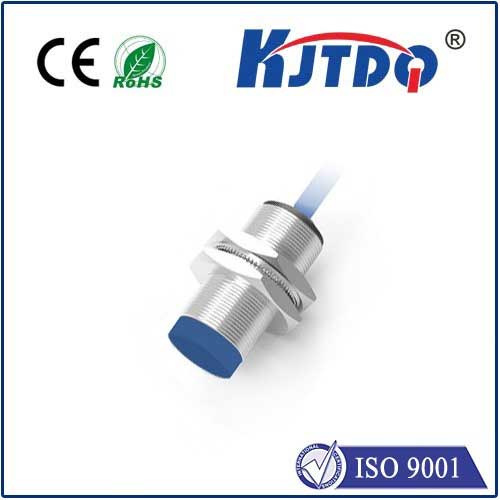
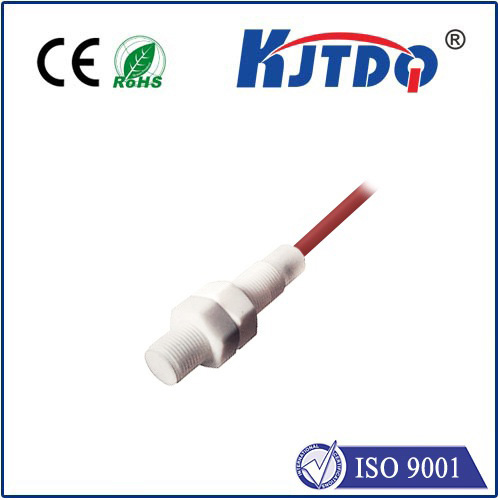
At its heart, the KGG20H3BPC is a non-contact inductive proximity sensor designed to detect metallic objects. What sets it apart is its robust construction, certified to withstand high-pressure environments commonly found in hydraulic systems, die-casting machines, and high-pressure cleaning equipment. Its housing is typically crafted from high-grade stainless steel, providing exceptional resistance to physical impact, corrosion, and the ingress of fluids. This durability ensures long-term stability and accuracy, even when exposed to constant vibration or sudden pressure surges that would compromise lesser sensors.
The operational principle is based on generating an electromagnetic field. When a metallic target enters this field, it induces eddy currents within the target, causing a change in the sensor's oscillation amplitude. This change is detected and converted into a clear, switch-like output signal. The KGG20H3BPC is renowned for its high switching frequency and repeat accuracy, allowing for precise position detection of pistons, cylinders, or valves within hydraulic or pneumatic systems. This precision is crucial for controlling complex sequences in automated processes, ensuring that each movement occurs exactly as programmed.
One of the most significant advantages of this sensor is its ability to function reliably in environments where pressure can reach several hundred bar. Traditional sensors might experience housing deformation or seal failure under such stress, leading to false signals or complete breakdown. The KGG20H3BPC incorporates specialized sealing technologies and a mechanically reinforced design to maintain its integrity and sensing characteristics. This capability makes it ideal for direct installation on hydraulic cylinders, where it can monitor piston position to control stroke endpoints or implement condition monitoring for predictive maintenance strategies.
Application scenarios for the KGG20H3BPC are vast and varied. Beyond hydraulic machinery, it is extensively used in plastic injection molding machines to monitor mold clamping force and position. In the automotive industry, these sensors play a vital role in automated welding lines and heavy press controls. They are also found in marine applications, offshore platforms, and mining equipment—anywhere ruggedness and resistance to harsh elements are non-negotiable. The sensor's consistent performance helps prevent machine jams, optimize cycle times, and enhance overall operational safety by providing reliable feedback for machine control systems.
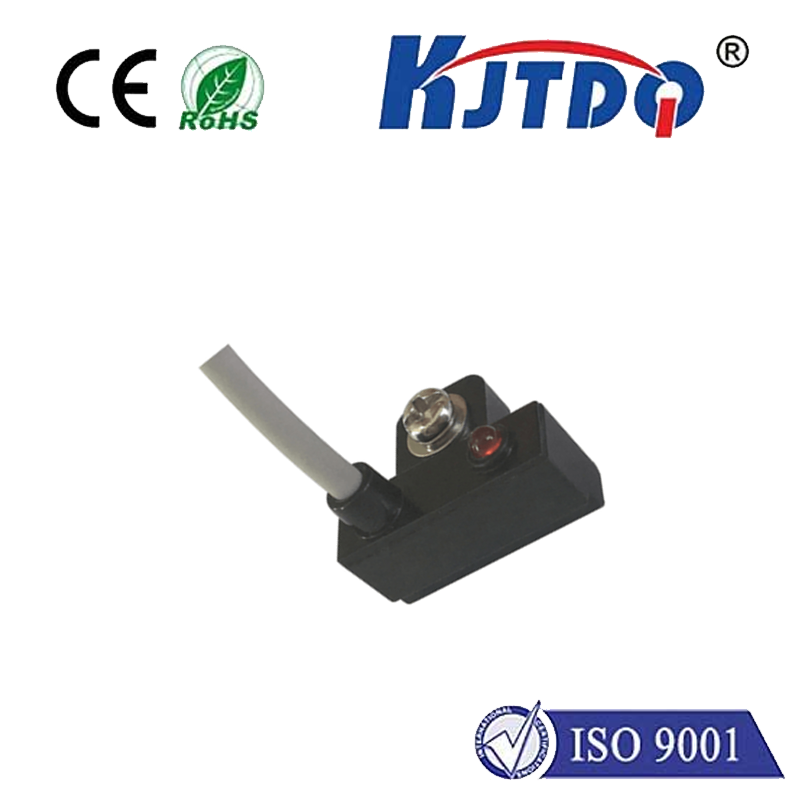
Installation and integration are straightforward, thanks to standardized mounting threads and connection options. Many models feature LED status indicators for easy diagnostics, allowing maintenance personnel to quickly verify operation. When selecting a sensor for a high-pressure application, factors such as the specific pressure rating, temperature range, target material, and required sensing distance must be carefully considered. The KGG20H3BPC series often offers variants to meet different technical specifications, ensuring a fit-for-purpose solution.
In conclusion, the KGG20H3BPC High Pressure Proximity Sensor represents a fusion of robust engineering and precise sensing technology. It addresses the critical need for dependable non-contact detection in environments where pressure, shock, and contamination are constant challenges. By ensuring accurate signal transmission in these demanding settings, it contributes directly to increased machine availability, reduced maintenance costs, and enhanced process reliability. For any application where failure is not an option, specifying a sensor built to the standards of the KGG20H3BPC is not just a choice—it's a strategic investment in operational resilience and productivity.